
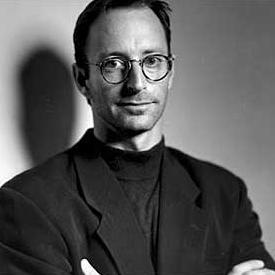
Herb Ritts, born Herbert Ritts Jr. on August 13, 1952, in Los Angeles, California, was one of the most influential photographers of the 20th century. His work transcended the traditional boundaries of fashion photography, creating iconic images that continue to influence the industry today. Ritts’ journey from a young man growing up in a Hollywood environment to becoming a world-renowned photographer is a story of artistic brilliance, dedication, and an unerring eye for beauty.
Early Life and Background
Growing up in Los Angeles, Herb Ritts was surrounded by the glamour of Hollywood. His family lived in a luxurious villa, and his childhood was steeped in the world of entertainment and high society. His mother, Shirley Ritts, was a prominent interior designer, and their home was often frequented by celebrities and artists. One of their neighbors was the legendary actor Steve McQueen, a figure who would later play a significant role in Ritts’ career.
Despite his privileged upbringing, Ritts was drawn to the arts from an early age. He attended Bard College in New York, where he studied economics and art history. However, it was photography that truly captured his imagination. After college, Ritts returned to Los Angeles, where he began experimenting with photography, taking pictures of his friends and family. Little did he know that these early experiences would set the stage for a groundbreaking career.
The Breakthrough: Richard Gere and “American Gigolo”
Herb Ritts’ big break came in 1978 during a seemingly ordinary road trip with his friend, a then-unknown actor named Richard Gere. The two were driving through the desert when their car broke down, and Ritts began taking photos of Gere as they waited for help. One of these photos, capturing Gere in a casual, yet striking pose at a gas station, would later become iconic.
This photograph, which exuded a raw, sensual energy, was eventually used to promote the film “American Gigolo” (1980), in which Gere starred. The image catapulted both Gere and Ritts into the spotlight, with Ritts quickly gaining recognition for his unique ability to capture the essence of his subjects. This serendipitous moment marked the beginning of Ritts’ ascent to fame in the world of photography.
Establishing a Signature Style: Lines, Forms, and the Human Body
Herb Ritts’ photography is characterized by its clean lines, strong forms, and a deep appreciation for the human body. He had a particular affinity for black and white photography, believing that the absence of color allowed for a greater focus on composition and form. His work often emphasized the sculptural qualities of the human body, drawing inspiration from classical Greek sculpture.
Ritts’ approach to photography was both artistic and commercial. He seamlessly blended high fashion with fine art, creating images that were as likely to be seen in a museum as they were in a magazine. His photographs often featured minimalistic backgrounds, allowing the subject to stand out and dominate the frame. This simplicity, combined with his strategic use of natural light, gave his work a timeless, almost ethereal quality.
One of Ritts’ most famous techniques was his use of shadows and light to highlight the curves and contours of the body. This technique not only emphasized the physical beauty of his subjects but also imbued his images with a sense of mystery and intrigue. Whether photographing a supermodel or a rock star, Ritts had an uncanny ability to reveal the inner essence of his subjects, making his images both intimate and iconic.
A Photographer of the Stars
Throughout the 1980s and 1990s, Herb Ritts became the go-to photographer for some of the biggest names in entertainment. His portfolio includes portraits of music legends like David Bowie, Madonna, Prince, and Michael Jackson, as well as actors like Cher, Bruce Springsteen, and U2. Ritts was particularly adept at capturing the unique personalities of his subjects, often elevating them to iconic status through his lens.
Ritts’ work was not confined to portrait photography; he also made significant contributions to the world of fashion. His images graced the covers of major magazines such as Vogue, Vanity Fair, Interview, and Rolling Stone. He also worked on high-profile advertising campaigns for brands like Calvin Klein, Chanel, Donna Karan, and Giorgio Armani. His ability to combine artistic vision with commercial appeal made him one of the most sought-after photographers of his time.
In addition to his work in fashion and portrait photography, Ritts also directed music videos and commercials. His directorial work includes music videos for Madonna’s “Cherish” and Michael Jackson’s “In the Closet,” both of which are considered iconic in their own right. These videos showcased Ritts’ ability to translate his photographic style into motion, creating visually stunning pieces that complemented the music.
Iconic Works and Influence on Fashion Photography
Herb Ritts’ photography was instrumental in defining the aesthetic of the 1980s and 1990s. His work often blurred the lines between fashion, art, and pop culture, making him a pioneer in the industry. One of his most iconic images is the portrait of Madonna for her “True Blue” album cover. The photograph, which features Madonna with her head tilted back and eyes closed, became an instant classic, capturing the singer at the height of her fame.
Ritts was also known for his work with supermodels, particularly during the “supermodel era” of the late 1980s and early 1990s. He photographed some of the most famous faces of the time, including Cindy Crawford, Naomi Campbell, and Christy Turlington. His images of these models, often in stark, natural settings, helped to redefine the standards of beauty in fashion photography.
In his work with male models and celebrities, Ritts challenged traditional notions of masculinity. His photographs of men were often sensual and androgynous, presenting them in a way that was both powerful and vulnerable. This approach was groundbreaking at the time and has since influenced countless photographers who followed in his footsteps.
One of the hallmarks of Ritts’ photography was his ability to capture the perfect balance between elegance and raw, natural beauty. His images are often described as “sculptural,” with the human body presented as a work of art in its own right. This focus on the body, combined with his minimalist approach, created a distinct visual language that continues to resonate in the world of fashion and photography.
The Art of Capturing an Era
Herb Ritts’ photographs are more than just images; they are a reflection of the culture and spirit of an era. His work encapsulated the glamour, excess, and artistic experimentation of the 1980s and 1990s. Through his lens, celebrities were not just photographed; they were transformed into icons.
One of Ritts’ earliest and most famous works is the series of photographs he took of Richard Gere in 1978. This series, shot in the California desert, captured Gere in a raw, unguarded moment, showcasing the actor’s rugged good looks and charismatic presence. The photos were later used to promote “American Gigolo,” and they played a significant role in shaping Gere’s public image as a Hollywood heartthrob.
Ritts’ influence extended beyond individual photographs; he also played a key role in shaping the visual identity of the music and fashion industries during this period. His work with artists like Madonna, Prince, and Michael Jackson helped to define their public personas, while his collaborations with fashion brands set new standards for commercial photography.
The Later Years and Legacy
In the late 1990s, Herb Ritts’ work continued to evolve, and he remained a dominant force in the world of photography. He was commissioned twice by Pirelli to shoot their prestigious calendar, first in 1993 and again in 1998. These calendars, known for featuring some of the most beautiful women in the world, allowed Ritts to showcase his mastery of form and composition on an international stage.
Despite his continued success, Ritts’ life was cut tragically short. He passed away on December 26, 2002, at the age of 50, due to complications from pneumonia. It was later revealed that he had contracted HIV in the late 1980s, a fact that he kept private throughout his life. Ritts’ death marked the loss of one of the most visionary photographers of his generation.
Herb Ritts’ legacy lives on through his photographs, which continue to be celebrated and studied by new generations of artists and photographers. His work is included in numerous public and private collections, and his images are regularly featured in exhibitions around the world. The simplicity, elegance, and timelessness of his photography ensure that his influence will endure for years to come.
Conclusion: A Lasting Impact on Photography and Culture
Herb Ritts was not just a photographer; he was an artist who understood the power of imagery in shaping culture. His ability to capture the essence of his subjects, combined with his innovative approach to composition and lighting, made him one of the most influential photographers of the late 20th century. From his early days shooting Richard Gere to his iconic portraits of Madonna and Prince, Ritts’ work has left an indelible mark on the worlds of fashion, music, and art.
As we look back on his career, it is clear that Herb Ritts was a visionary who pushed the boundaries of photography. His images are not just pictures; they are works of art that continue to inspire and captivate. In a world where photography is ubiquitous, Ritts’ work stands out for its originality, beauty, and enduring impact.


