
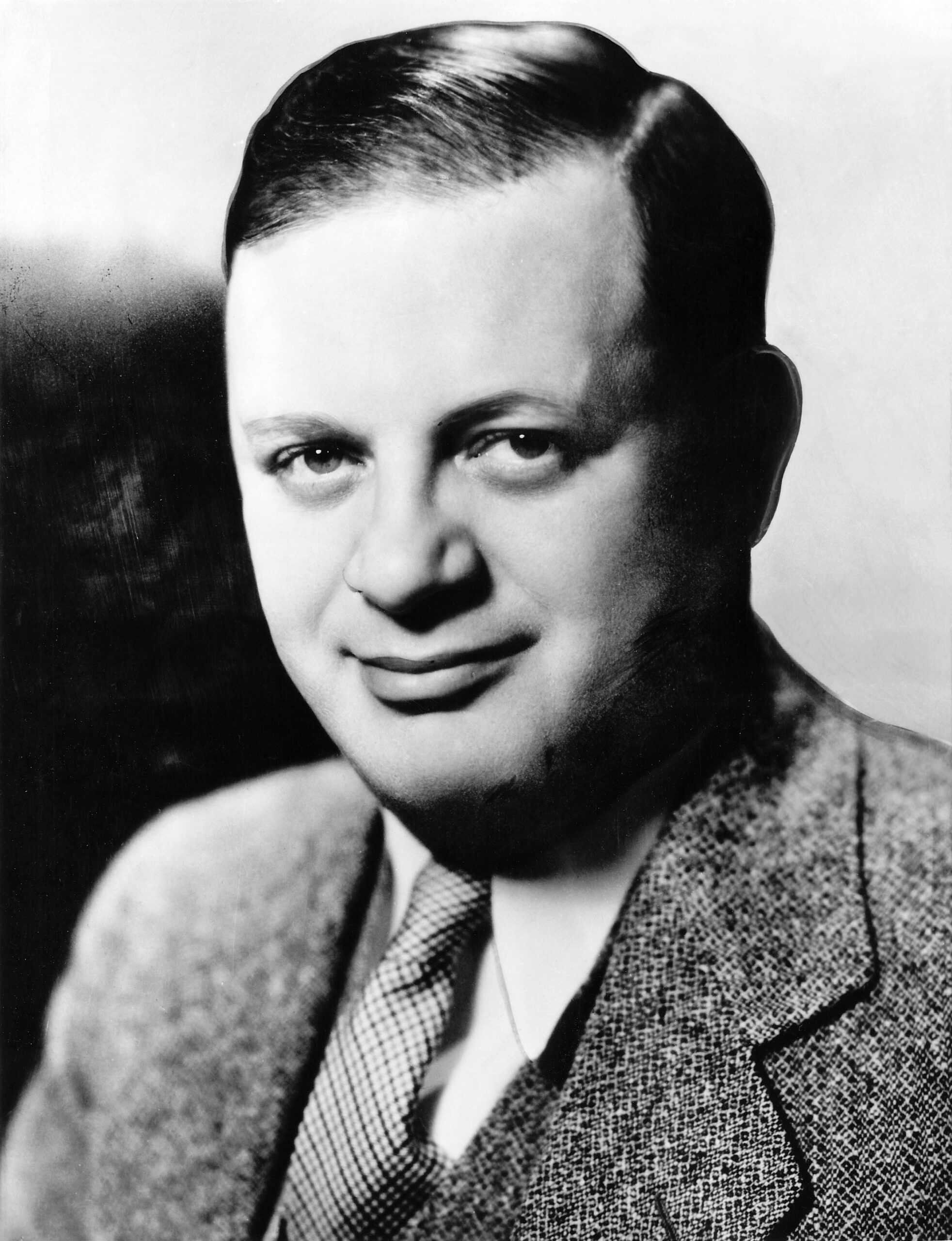
Herman J. Mankiewicz, born on November 7, 1897, in New York City, was an American screenwriter whose influence on Hollywood is both profound and complex. Best known for co-writing the screenplay for the iconic film “Citizen Kane” (1941) with Orson Welles, Mankiewicz’s life was marked by both extraordinary talent and personal struggles. This article explores the life of Herman J. Mankiewicz, delving into his age, fame, and key life highlights, while also examining the nuances and historical context of his career in the film industry.
Early Life and Education
Herman Jacob Mankiewicz was born into a family that valued education and intellectual pursuits. His father, Franz Mankiewicz, was a schoolteacher, and his mother, Johanna Blumenau, instilled in him a love of literature and the arts. Mankiewicz was a bright student, attending Columbia University, where he studied journalism and literature. His academic background would later inform his sharp, sophisticated writing style, which became his trademark in Hollywood.
After graduating from Columbia, Mankiewicz traveled to Berlin, where he worked as a correspondent for the Chicago Tribune. This experience exposed him to the burgeoning film industry in Germany, particularly the work of directors like Fritz Lang and F.W. Murnau, whose innovative storytelling techniques would later influence Mankiewicz’s approach to screenwriting.
The Path to Hollywood
Mankiewicz returned to the United States in the early 1920s and began working as a theater critic for the New York Times and The New Yorker. His wit and incisive criticism quickly earned him a reputation as a leading voice in the New York literary scene. However, it was his friendship with Ben Hecht, a fellow journalist and screenwriter, that opened the door to Hollywood. Hecht, already established in the film industry, encouraged Mankiewicz to move to Los Angeles and try his hand at screenwriting.
In 1926, Mankiewicz took Hecht’s advice and moved to Hollywood, where he was hired as a writer by Paramount Pictures. His first major success came with the screenplay for “The Marx Brothers’ Monkey Business” (1931), which showcased his talent for witty dialogue and comedic timing. Mankiewicz quickly became known for his ability to write sharp, satirical scripts that appealed to both critics and audiences.
Hollywood’s Golden Age and Mankiewicz’s Contributions
The 1930s were a golden era for Hollywood, and Mankiewicz was at the heart of it. He was a prolific writer, contributing to over 40 films during this decade alone. His work ranged from comedies to dramas, and he was particularly skilled at writing dialogue that captured the essence of his characters.
Mankiewicz’s versatility as a screenwriter was evident in films like “Dinner at Eight” (1933) and “Man of the World” (1931). However, it was his work on “The Marx Brothers’ Duck Soup” (1933) that solidified his reputation as one of Hollywood’s top screenwriters. “Duck Soup” is now considered a classic of American cinema, and Mankiewicz’s contribution to its success cannot be overstated.
Despite his success, Mankiewicz’s career was not without challenges. He was known for his sharp tongue and rebellious attitude, often clashing with studio executives. His disdain for authority and his love of alcohol often got him into trouble, and he became infamous for his sardonic humor and tendency to insult those in power. These traits, while contributing to his legend, also led to a series of professional setbacks.
The Making of “Citizen Kane”
Herman J. Mankiewicz’s most significant contribution to cinema came in 1941 with the release of “Citizen Kane,” directed by Orson Welles. The film, often hailed as the greatest movie ever made, was co-written by Mankiewicz and Welles, though the extent of each man’s contribution has been the subject of much debate.
“Citizen Kane” tells the story of Charles Foster Kane, a powerful media mogul whose life is a thinly veiled allegory for that of real-life newspaper magnate William Randolph Hearst. Mankiewicz, who had known Hearst personally, drew heavily on his experiences within Hearst’s social circle when crafting the screenplay.
The creation of “Citizen Kane” was fraught with challenges. Mankiewicz was recovering from a leg injury at the time, which left him bedridden. Determined to fulfill his commitment, he dictated much of the screenplay to his assistant while convalescing. John Houseman, a close friend, and collaborator, helped Mankiewicz refine the script, which was filled with sharp observations on power, corruption, and the American Dream.
When “Citizen Kane” was released, it received critical acclaim but faced significant pushback from Hearst, who used his vast media empire to suppress the film. Despite this, “Citizen Kane” went on to win the Academy Award for Best Original Screenplay in 1942, an honor that Mankiewicz shared with Welles. The film’s legacy has only grown over the years, with Mankiewicz’s screenplay often cited as one of the greatest achievements in film writing.
Later Career and Personal Struggles
While “Citizen Kane” should have catapulted Mankiewicz to the top of the Hollywood hierarchy, his personal demons continued to hold him back. His struggles with alcoholism and gambling became more pronounced, and his once-promising career began to decline. Although he continued to work in Hollywood, writing screenplays for films like “Pride of the Yankees” (1942) and “Christmas in Connecticut” (1945), he was never able to replicate the success of “Citizen Kane.”
Mankiewicz’s brother, Joseph L. Mankiewicz, who had also become a successful director and producer, described Herman as a brilliant but deeply troubled man. In later interviews, Joseph reflected on the challenges Herman faced, noting that his brother’s drinking and volatile personality often alienated him from the very people who could have helped him succeed. Despite these issues, Herman J. Mankiewicz remained a respected figure in Hollywood, admired for his intellect and biting wit.
Legacy and Impact on Cinema
Herman J. Mankiewicz passed away on March 5, 1953, in Los Angeles, at the age of 55. His death marked the end of a turbulent life that had left an indelible mark on the film industry. Although his career was marred by personal struggles, his contributions to cinema, particularly his work on “Citizen Kane,” have ensured his place in the pantheon of great screenwriters.
Mankiewicz’s legacy is one of both brilliance and tragedy. He was a man who possessed extraordinary talent, yet was often his own worst enemy. His story is a reminder of the complexities and contradictions that can define a life in Hollywood, where success and failure often go hand in hand.
In 2020, Mankiewicz’s life was brought back into the spotlight with the release of David Fincher’s film “Mank,” which starred Gary Oldman as Herman J. Mankiewicz. The film delves into the making of “Citizen Kane” and the personal and professional challenges that Mankiewicz faced during that time. “Mank” was praised for its portrayal of Hollywood’s golden age and its exploration of Mankiewicz’s character, further cementing his legacy as one of the most fascinating figures in the history of American cinema.
Conclusion
Herman J. Mankiewicz’s life was a complex blend of brilliance and turmoil. As the screenwriter behind some of Hollywood’s most iconic films, including the legendary “Citizen Kane,” Mankiewicz’s contribution to cinema is undeniable. His sharp wit, intellectual prowess, and ability to craft unforgettable dialogue made him a standout figure in Hollywood’s golden age.
However, Mankiewicz’s personal struggles with alcohol and gambling, coupled with his contentious relationships with studio executives, often overshadowed his professional achievements. Despite these challenges, his work has endured, influencing generations of screenwriters and filmmakers who continue to draw inspiration from his legacy.
Today, Herman J. Mankiewicz is remembered not just for his genius as a screenwriter, but also as a symbol of the highs and lows that define a career in Hollywood. His story is a testament to the enduring power of creativity, even in the face of personal adversity, and his contributions to film will continue to be celebrated for years to come.


