
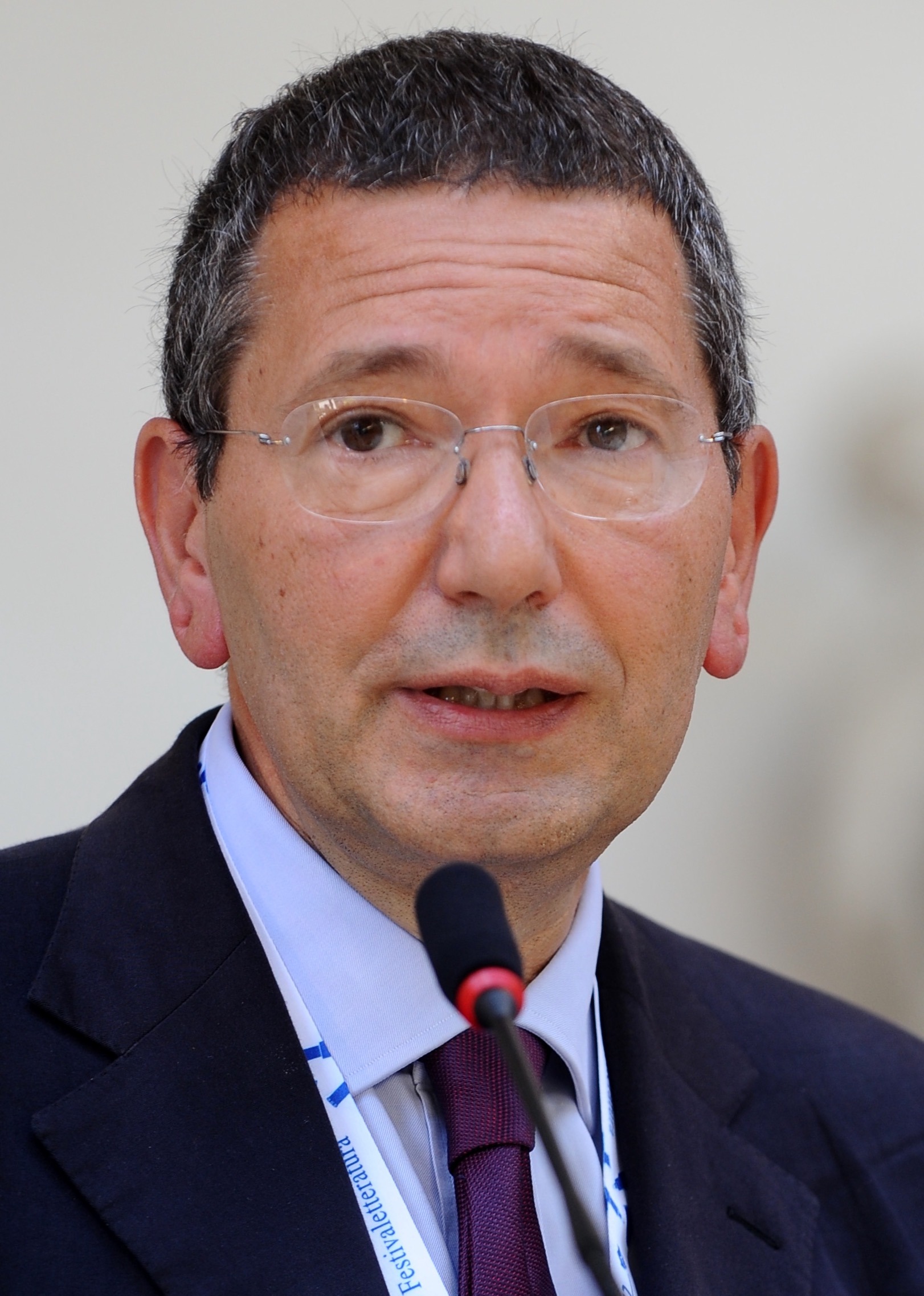
Ignazio Marino is a prominent Italian surgeon, academic, and politician whose career spans the realms of medicine, politics, and social activism. Born on March 10, 1955, in Genoa, Italy, Marino’s life story is one of dedication to public service, marked by significant contributions to both the medical field and Italian political life. This comprehensive exploration of his life offers detailed insights into his journey, his achievements, and the historical context that shaped his career.
Early Life and Medical Career
Ignazio Marino was born to a Swiss mother and a father from Acireale, Sicily. His early years were spent in Genoa, but at the age of 14, Marino and his family moved to Rome. This relocation played a pivotal role in shaping his future, as Rome would later become the stage for both his medical and political careers.
Marino pursued his education at the prestigious Università Cattolica del Sacro Cuore in Rome, where he earned his degree in medicine. His passion for surgery, particularly in the field of organ transplants, led him to further his studies at renowned institutions such as the University of Cambridge in England and the University of Pittsburgh in the United States. The University of Pittsburgh, in particular, is recognized as a global center of excellence in transplant surgery, and it was here that Marino honed his skills and developed a reputation as a leading surgeon.
Pioneering Contributions to Transplant Surgery
Ignazio Marino’s medical career is distinguished by his groundbreaking work in transplant surgery. In 1992, he was part of the team that performed the only two xenotransplantations of a baboon liver to a human patient in medical history. These procedures, though controversial, marked a significant moment in the history of transplant medicine and underscored Marino’s commitment to pushing the boundaries of medical science.
In 1993, Marino became the Co-Director of the Transplant Center at the Veterans Affairs Medical Center in Pittsburgh, the only liver transplant department managed by the U.S. government. His leadership and expertise were instrumental in advancing the center’s reputation as a leader in liver transplantation.
Determined to bring the advanced knowledge and techniques he acquired abroad back to Italy, Marino founded and directed ISMETT (Istituto Mediterraneo per i Trapianti e Terapie ad Alta Specializzazione) in Palermo in 1999. ISMETT quickly became a leading center for multi-organ transplants in Italy and Southern Europe, demonstrating Marino’s commitment to improving healthcare in his home country.
In July 2001, Marino performed the first liver transplant in Italy on an HIV-positive patient, a milestone in the Italian medical community that highlighted his innovative approach to surgery and patient care.
Transition to Politics and Public Life
Ignazio Marino’s transition from medicine to politics was driven by his deep-seated belief in the need for ethical governance and public health reform. His political career began in earnest when he was elected to the Italian Senate in 2006 as an independent candidate affiliated with the Democrats of the Left. Marino’s medical background and commitment to public health quickly earned him the chairmanship of the Senate’s Hygiene and Health Commission.
During his tenure, Marino was a vocal advocate for the introduction of a living will (testamento biologico) law in Italy, which would allow individuals to outline their medical treatment preferences in case they become incapacitated. This initiative was part of his broader efforts to promote ethical issues and patient rights within the Italian healthcare system.
Contributions to Medical Literature and Public Discourse
In addition to his political work, Ignazio Marino is a prolific writer and commentator on medical ethics and public health. His first book, Credere e Curare (2005), explores the intersection of faith and medicine, discussing how belief systems—whether religious or rooted in humanism—can influence the practice of medicine. The book reflects Marino’s deep understanding of the moral complexities faced by healthcare professionals and his commitment to empathy and solidarity in medical practice.
Marino’s writings often engage with the broader societal implications of medical advancements and public health policies. For example, his 2007 book, Sistema Salute: Analisi e Prospettive per il Futuro della Sanità Italiana (Health System: Analysis and Perspectives for the Future of Italian Healthcare), offers a critical analysis of the Italian healthcare system, proposing reforms to improve efficiency and equity. His works have been widely discussed and have influenced both public opinion and policy debates in Italy.
The 2009 Democratic Party Leadership Contest
Marino’s growing influence in Italian politics led him to challenge for the leadership of the Democratic Party (Partito Democratico) in 2009. He ran against prominent figures such as Pier Luigi Bersani and Dario Franceschini in the party’s primary elections. Although he did not win, Marino’s candidacy was significant because it highlighted the importance of healthcare and ethical issues in the political discourse of Italy.
Mayor of Rome: Achievements and Controversies
In April 2013, Ignazio Marino won the primary election of the Democratic Party to become the mayoral candidate for Rome. His campaign focused on transparency, social justice, and improving the city’s governance. He secured over 40% of the vote in the first round of elections and ultimately won the mayoralty in the June runoff, becoming the Mayor of Rome on June 10, 2013.
As mayor, Marino took several progressive stances, including advocating for civil unions and the recognition of same-sex marriages performed abroad. In his first year in office, he proposed the creation of a civil unions registry in Rome, positioning himself as a strong supporter of LGBTQ+ rights in a country where these issues were still highly contentious. In 2014, Marino made headlines when he transcribed the marriages of sixteen same-sex couples into the city’s registry, an act that sparked significant controversy and led to intervention by the Italian Minister of the Interior, Angelino Alfano, who declared the registrations illegal.
Marino’s tenure as mayor was also marked by various challenges and controversies. In November 2014, he faced a parliamentary inquiry over accusations that he had entered Rome’s limited traffic zones without permission, leading to fines that were not initially paid. Although it was later determined that his permit had been tampered with by unknown individuals, the incident cast a shadow over his administration.
In September 2015, Marino was further embroiled in controversy when the Rome Prosecutor’s Office opened an investigation into alleged financial irregularities related to Imagine, the non-profit organization he had founded in 2005. Although Marino was registered as a suspect, this was considered a procedural step to expedite the investigation. However, the political pressure and media scrutiny that followed led Marino to resign as Mayor of Rome on October 8, 2015, officially stepping down four days later.
Legacy and Ongoing Influence
Despite the controversies that marred the end of his mayoral tenure, Ignazio Marino remains a significant figure in Italian public life. His contributions to medicine, particularly in the field of transplant surgery, have left an indelible mark on the healthcare system, both in Italy and internationally. His efforts to introduce ethical considerations into public health policy and his advocacy for patient rights continue to resonate in ongoing debates about healthcare reform.
Marino’s political career, though cut short, demonstrated his commitment to transparency, social justice, and progressive values. His advocacy for LGBTQ+ rights and his attempts to modernize the governance of Rome reflect his broader vision for a more inclusive and equitable society.
Historical Context and Impact on Italian Society
Ignazio Marino’s career must be understood within the broader historical and social context of Italy in the late 20th and early 21st centuries. Italy has long grappled with issues of political corruption, economic instability, and social inequality. Marino’s rise to prominence, first as a medical professional and later as a politician, was in many ways a response to these challenges.
His medical achievements came at a time when Italy was seeking to modernize its healthcare system and expand access to advanced medical treatments. Marino’s work in transplant surgery helped place Italy on the global map in this field, while his efforts to bring ethical considerations into medical practice reflected a growing awareness of the need for patient-centered care.
In the political arena, Marino’s focus on transparency and ethical governance was part of a broader movement within Italy to combat corruption and improve public trust in government institutions. His advocacy for civil rights, particularly LGBTQ+ rights, positioned him at the forefront of a cultural shift in Italy, where these issues have historically been met with resistance.
Conclusion
Ignazio Marino is a figure of considerable importance in both the medical and political spheres. His life and career reflect a deep commitment to public service, whether through pioneering surgical techniques, advocating for ethical governance, or championing social justice. Despite the challenges and controversies he faced, Marino’s contributions have had a lasting impact on Italian society, particularly in the areas of healthcare and civil rights.
As we reflect on Ignazio Marino’s legacy, it is clear that his work transcends the boundaries of any single field. His story is one of perseverance, innovation, and a relentless pursuit of progress, embodying the spirit of a true public servant. In an era where the intersection of science, ethics, and politics is increasingly important, Marino’s life offers valuable lessons for future generations of leaders and citizens alike.


