
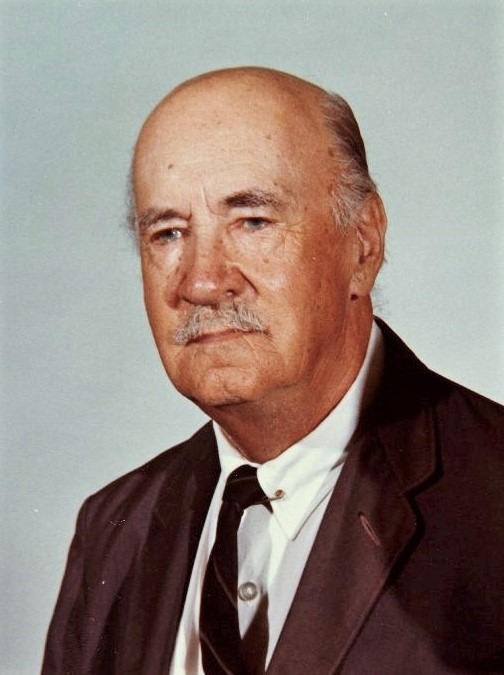
Igor Sikorsky, a name synonymous with aviation innovation, was a pioneering engineer and inventor whose contributions to aeronautics have left an indelible mark on the history of flight. Born on May 25, 1889, in Kiev, Ukraine, Sikorsky’s journey from a young boy fascinated by flight to a globally recognized aviation icon is a story of passion, perseverance, and groundbreaking innovation. This comprehensive exploration of Igor Sikorsky’s life, achievements, and legacy delves into the nuances of his career, providing a deep understanding of the man behind some of the most significant advancements in aviation history.
Early Life and Influences
Igor Ivanovich Sikorsky was born into an intellectually stimulating environment. His father, Ivan Sikorsky, was a prominent psychiatrist, and his mother, Mariya Sikorsky, though a physician by training, chose to dedicate herself to raising her children and nurturing their intellectual curiosity. It was Mariya who first introduced young Igor to the works of Leonardo da Vinci, sparking his lifelong fascination with flight. This early exposure to the concept of flying machines laid the foundation for Sikorsky’s future endeavors.
By the age of twelve, Sikorsky had already begun experimenting with flying models, building a small helicopter model capable of brief flights. This early success was a precursor to the innovative spirit that would characterize his entire career. In 1903, at the age of fourteen, Sikorsky entered the Naval Academy in Saint Petersburg. However, his passion for aviation soon outgrew his interest in naval studies, leading him to resign from the academy in 1906 and enroll in the Kyiv Polytechnic Institute to study engineering.
The Birth of a Visionary
Sikorsky’s career truly began to take shape after a pivotal trip to Europe in 1908. During this journey, he encountered a group of aviation pioneers, including the Wright brothers, who were then attempting to solve the fundamental problems of powered flight. Inspired by their efforts, Sikorsky returned to Kyiv with a renewed determination to pursue his own experiments in aviation.
His initial focus was on helicopters, but early attempts were met with limited success due to the technological constraints of the time. Despite these setbacks, Sikorsky did not lose heart. He shifted his attention to fixed-wing aircraft, where he quickly made a name for himself. By 1911, Sikorsky had successfully designed and flown his first aircraft, earning a pilot’s license in the process. This marked the beginning of a series of innovations that would eventually revolutionize aviation.
Innovations in Fixed-Wing Aircraft
One of Sikorsky’s most notable contributions to aviation was the development of the world’s first multi-engine aircraft. In 1913, he designed and built the “Le Grand,” a four-engine biplane that was groundbreaking in both its size and design. The aircraft featured a fully enclosed cockpit, a novel concept at the time, which provided greater comfort and safety for the pilot and passengers.
The “Le Grand” was a precursor to modern airliners and demonstrated Sikorsky’s visionary approach to aviation. The idea of using multiple engines was revolutionary, driven by a desire to enhance the reliability and safety of aircraft. This innovation stemmed from a seemingly trivial incident: during a test flight, a mosquito entered the fuel tank, causing the engine to fail and forcing an emergency landing. This experience led Sikorsky to conclude that redundancy in engines was essential to ensuring the success and safety of flights.
Following the success of “Le Grand,” Sikorsky continued to push the boundaries of aviation design. He developed the Ilya Muromets, a massive four-engine bomber and passenger aircraft that became a significant asset for the Russian military during World War I. The Ilya Muromets was not only a technical marvel but also a symbol of Russia’s industrial capabilities and military power.
Challenges and Emigration to the United States
The political upheavals in Russia during the early 20th century, particularly the October Revolution of 1917, dramatically altered the course of Sikorsky’s life. As the Bolsheviks seized power, the environment for innovation in Russia became increasingly hostile, forcing Sikorsky to emigrate. In 1919, he arrived in the United States, a country that would become his new home and the setting for the most significant phase of his career.
Despite his impressive achievements in Europe, Sikorsky faced considerable challenges upon his arrival in America. The aviation industry was still in its infancy, and finding opportunities to apply his skills was difficult. To make ends meet, Sikorsky took up teaching positions and engaged in various engineering projects. However, his passion for aviation remained undiminished.
In 1923, with the support of a group of former Russian officers and engineers, Sikorsky founded the Sikorsky Aero Engineering Corporation on Long Island, New York. This venture marked the beginning of Sikorsky’s American success story. The company initially focused on producing amphibious aircraft, or seaplanes, which were used extensively for transatlantic flights and set new standards in reliability and performance.
The Return to Helicopter Development
While Sikorsky’s early success in the United States was built on fixed-wing aircraft, his true passion always lay with helicopters. In the 1930s, as technological advancements made helicopter flight more feasible, Sikorsky returned to his early experiments with rotary-wing aircraft. He believed that helicopters held immense potential for both civilian and military applications, particularly in rescue missions and situations where fixed-wing aircraft were impractical.
In 1939, Sikorsky’s persistence paid off with the successful flight of the VS-300, the first practical helicopter to feature a single main rotor and a tail rotor to counteract torque. This design became the standard for helicopters worldwide and is still in use today. The VS-300 was a testament to Sikorsky’s innovative spirit and his ability to turn visionary ideas into practical solutions.
The VS-300’s successful test flight was followed by the development of the R-4, the world’s first mass-produced helicopter, which was delivered to the United States Army Air Forces during World War II. The R-4’s ability to take off and land vertically made it an invaluable tool for search and rescue missions, particularly in challenging terrains. Sikorsky’s helicopters played a crucial role in saving countless lives during the war, earning him international recognition and solidifying his place in aviation history.
Impact on Military and Civil Aviation
Igor Sikorsky’s contributions to military aviation were profound. The versatility of helicopters, which he had envisioned as tools for rescue and humanitarian missions, quickly caught the attention of military planners. During World War II and in the decades that followed, Sikorsky’s helicopters became essential assets for armed forces around the world. They were used in a variety of roles, including medical evacuation (medevac), troop transport, and reconnaissance.
The adaptability of Sikorsky’s designs allowed helicopters to be used in a wide range of environments, from the dense jungles of Southeast Asia to the mountainous regions of Korea. The UH-60 Black Hawk, developed by Sikorsky Aircraft in the 1970s, remains one of the most iconic military helicopters, known for its durability, versatility, and performance in combat situations.
Beyond military applications, Sikorsky’s helicopters also revolutionized civilian aviation. Helicopters became indispensable tools in various industries, including oil and gas exploration, emergency medical services, and law enforcement. The ability to hover, take off, and land in confined spaces made helicopters uniquely suited for tasks that were impossible for fixed-wing aircraft.
Personal Life and Philosophical Writings
Despite his intense focus on aviation, Igor Sikorsky was also a man of deep philosophical and religious convictions. He was an Orthodox Christian, and his faith played a significant role in his life and work. Sikorsky believed that his ability to innovate and create was a gift from God, and he often spoke of his work in aviation as a way to serve humanity.
In addition to his technical writings, Sikorsky authored several philosophical and religious works, including “The Message of the Lord’s Prayer” and “The Invisible Encounter.” These writings reflect his belief in the spiritual dimensions of life and his conviction that technological progress should be guided by ethical principles.
Sikorsky’s personal life was marked by a deep commitment to his family. In 1924, he married Elisabeth Semion, and together they had five children—one daughter and four sons. Despite the demands of his career, Sikorsky remained a devoted husband and father, and his family life provided him with a source of strength and inspiration throughout his life.
Legacy and Recognition
Igor Sikorsky’s legacy is one of innovation, perseverance, and profound impact on the world of aviation. His contributions to both fixed-wing aircraft and helicopter design have left an enduring mark on the industry. Sikorsky Aircraft, the company he founded, continues to be a leader in helicopter production, and its products are used by military and civilian operators around the globe.
Sikorsky’s achievements have been recognized with numerous awards and honors. He received the prestigious Wright Brothers Memorial Trophy in 1966 for his contributions to the development of aviation. In 1972, shortly before his death, he was inducted into the National Aviation Hall of Fame, cementing his place among the greatest figures in the history of flight.
Igor Sikorsky passed away on October 26, 1972, but his legacy lives on through the countless lives saved by his helicopters and the continued innovation in aviation inspired by his work. His story is a testament to the power of vision and determination, and his contributions continue to shape the world we live in today.
Conclusion
Igor Sikorsky’s life is a remarkable story of a man who transformed his dreams of flight into reality. From his early experiments with model helicopters to his groundbreaking work in both fixed-wing aircraft and rotary-wing aviation, Sikorsky’s contributions have had a lasting impact on the world. His legacy is not only in the aircraft that bear his name but in the spirit of innovation and perseverance that he embodied. As we look to the future of aviation, Igor Sikorsky’s life serves as a reminder of the importance of vision, creativity, and the relentless pursuit of excellence.


