
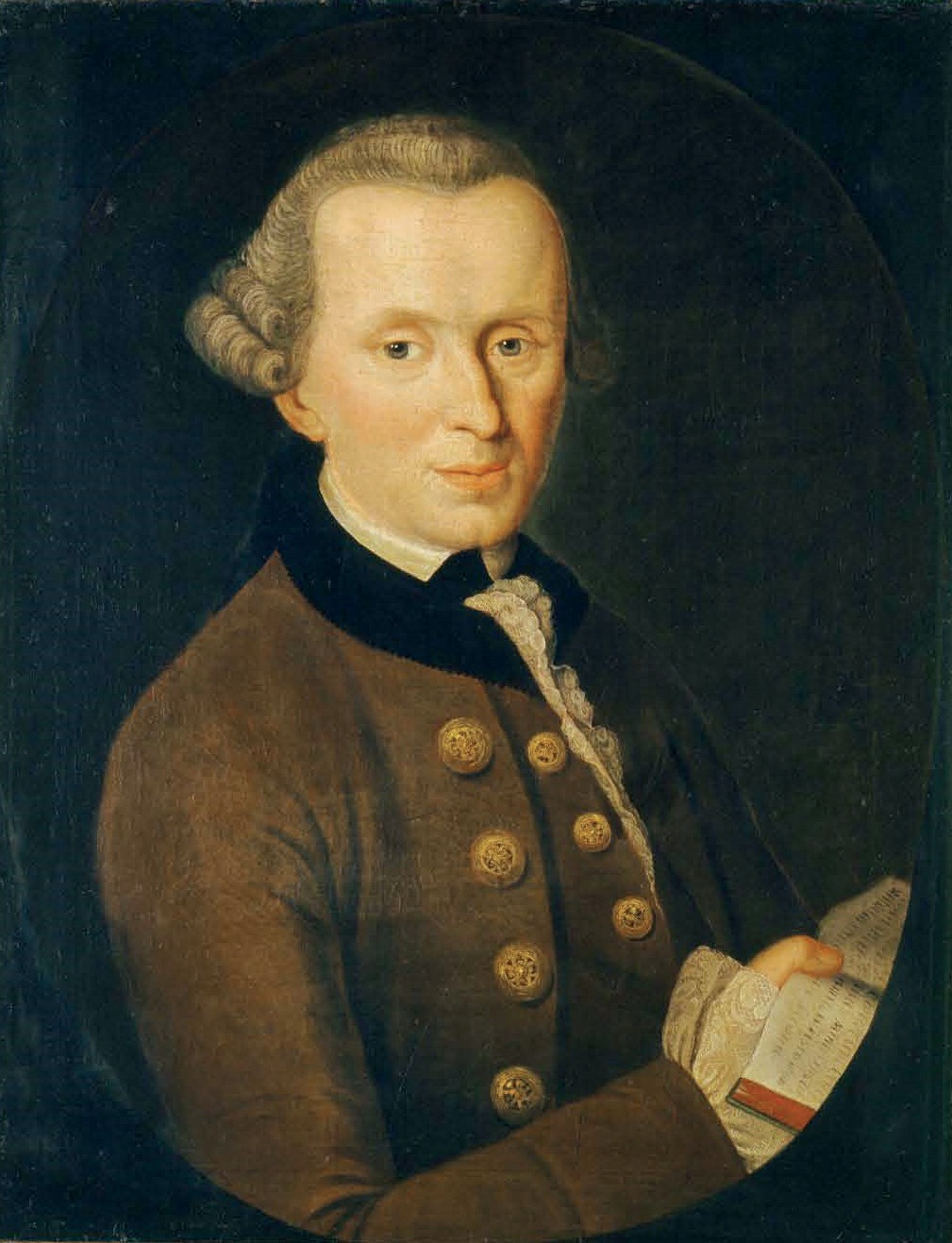
Immanuel Kant, a name synonymous with the profound depth of philosophical thought, remains one of the most influential figures in the history of Western philosophy. Born on April 22, 1724, in Königsberg, the capital of East Prussia, Kant’s life and works continue to resonate with scholars, students, and thinkers around the world. His philosophical inquiries into the nature of knowledge, morality, and existence laid the groundwork for modern philosophy, particularly through his revolutionary work, Critique of Pure Reason. This article delves into the life, achievements, and enduring legacy of Immanuel Kant, exploring the nuances and historical context that shaped his ideas.
Early Life and Education
Kant was the fourth of ten children, though only four survived into adulthood. His family was of modest means, with his father, Johann Georg Kant, working as a saddler, and his mother, Anna Regina Reuter, contributing a small dowry to the family’s income. Despite their economic hardships, Kant’s parents were devoted to providing him with a good education, influenced by their strong Pietist faith. This religious upbringing, particularly his mother’s piety, left a lasting impression on Kant, instilling in him a deep respect for morality and duty that would later manifest in his philosophical works.
At the age of eight, Kant was enrolled in the Collegium Fridericianum, a strict Pietist school where he studied from 1732 to 1740. The school’s rigorous curriculum and religious atmosphere shaped Kant’s intellectual development, emphasizing the importance of moral conduct and disciplined study. During this period, Kant’s interest in philosophy began to take root, influenced by the works of prominent thinkers such as Isaac Newton and Christian Wolff, which he encountered through his studies.
In 1740, Kant entered the University of Königsberg, where he focused on philosophy, mathematics, and physics under the guidance of Martin Knutzen, a disciple of Wolff. Knutzen played a crucial role in Kant’s intellectual formation, introducing him to the works of Newton and encouraging his critical engagement with philosophical ideas. Kant’s time at the university marked the beginning of his lifelong quest to understand the limits and capacities of human reason.
The Academic Journey and Early Career
Kant’s academic journey was not without its challenges. After completing his studies, he worked as a private tutor for several years, a common practice among scholars of his time. This experience allowed Kant to refine his teaching skills and deepen his philosophical knowledge, though it also highlighted the financial instability that often accompanied an academic career.
In 1755, Kant finally secured a position as a Privatdozent (an unsalaried lecturer) at the University of Königsberg, a role he would hold for the next 15 years. During this time, he taught a wide range of subjects, including philosophy, mathematics, physics, and even geography, a testament to his diverse intellectual interests. Kant’s lectures were well-attended, and he gained a reputation as a meticulous and engaging teacher, despite the demanding nature of his subject matter.
Kant’s early academic work was characterized by a commitment to exploring the nature of knowledge and the relationship between perception and reality. His dissertation, De Mundi Sensibilis atque Intelligibilis Forma et Principiis (On the Form and Principles of the Sensible and Intelligible World), completed in 1770, marked a significant turning point in his thought. In this work, Kant began to grapple with the dual nature of human experience—the distinction between the sensory world (phenomena) and the intellectual world (noumena). This distinction would become a central theme in his later work, particularly in the Critique of Pure Reason.
The Critical Philosophy and Revolutionary Ideas
The publication of Critique of Pure Reason in 1781 marked the beginning of Kant’s “critical” period, during which he sought to establish a comprehensive framework for understanding the limits and capacities of human reason. This work, which Kant described as a “Copernican revolution” in philosophy, argued that the human mind plays an active role in shaping our experience of the world. Rather than merely receiving sensory information passively, Kant proposed that the mind imposes structure and order on the chaotic influx of sensory data, enabling us to perceive a coherent reality.
The Critique of Pure Reason was a groundbreaking work that challenged the prevailing philosophical paradigms of the time, particularly the empiricism of David Hume and the rationalism of René Descartes. Kant sought to reconcile these opposing viewpoints by proposing a middle path that acknowledged the importance of sensory experience while also recognizing the role of innate cognitive structures in shaping our understanding of the world.
This work laid the foundation for Kant’s later critiques, including the Critique of Practical Reason (1788) and the Critique of Judgment (1790), which extended his critical philosophy into the realms of ethics and aesthetics. In the Critique of Practical Reason, Kant developed his moral philosophy, centered around the concept of the “categorical imperative”—a universal moral law that applies to all rational beings, regardless of circumstances. Kant argued that moral actions must be guided by duty and the principle of universality, rather than by personal desires or consequences.
Kant’s Influence on Ethics and Morality
Kant’s ethical philosophy, often referred to as deontological ethics, posits that the morality of an action is determined by its adherence to a set of universal principles, rather than by its outcomes. This contrasts sharply with consequentialist theories, such as utilitarianism, which judge actions based on their ability to produce the greatest good for the greatest number. Kant’s insistence on the primacy of duty and the inherent dignity of rational beings has had a profound influence on modern ethical thought, shaping debates on human rights, justice, and the nature of moral responsibility.
Kant’s emphasis on autonomy—the idea that individuals are self-governing and capable of making rational moral decisions—also contributed to the development of liberal political philosophy. His work laid the groundwork for later theories of justice and human rights, particularly the notion that all individuals possess inherent worth and are entitled to equal respect and moral consideration.
The Life of Routine and Intellectual Pursuits
Despite the revolutionary nature of his ideas, Kant’s personal life was characterized by a strict routine and an unwavering commitment to his intellectual pursuits. His daily schedule was so regular that the citizens of Königsberg reportedly set their clocks by his afternoon walks. This disciplined lifestyle was not merely a reflection of Kant’s personality but also a necessary condition for his philosophical work, which required intense concentration and sustained effort.
Kant’s social life, while limited, was not devoid of human interaction. He enjoyed the company of close friends and colleagues, often inviting them to join him for dinner, where discussions would range from philosophy to current events. However, Kant was careful to maintain a balance between socializing and his academic work, avoiding any distractions that might interfere with his studies.
The Later Years and Final Works
In the later years of his life, Kant continued to refine his philosophical ideas, addressing new challenges and responding to criticisms from his contemporaries. His later works, such as Religion within the Bounds of Bare Reason (1793) and The Metaphysics of Morals (1797), expanded his moral philosophy to include discussions of religion, politics, and law. In these works, Kant sought to reconcile his commitment to rationalism with the complexities of human experience, arguing that religious beliefs must be grounded in reason and that moral laws must be universally applicable.
Kant’s health began to decline in the early 1800s, and he eventually retired from teaching in 1797. Despite his physical frailty, he continued to work on his final project, Opus Postumum, which was left unfinished at the time of his death on February 12, 1804. Kant’s passing marked the end of an era in philosophy, but his ideas have continued to inspire and challenge thinkers across disciplines.
Legacy and Impact on Modern Thought
Immanuel Kant’s contributions to philosophy are immeasurable. His critical philosophy provided a new framework for understanding the relationship between mind and world, challenging both empiricist and rationalist traditions. His ethical theory, centered around the concepts of duty and autonomy, has had a lasting impact on moral philosophy, influencing debates on justice, human rights, and the nature of moral agency.
Kant’s ideas have also had a profound influence on other areas of thought, including political theory, aesthetics, and the philosophy of religion. His insistence on the importance of reason and the autonomy of the individual has shaped modern liberal thought, while his exploration of the sublime and the beautiful in the Critique of Judgment has influenced the development of aesthetic theory.
In the centuries since his death, Kant’s works have been the subject of extensive interpretation and debate, with scholars continuing to explore the implications of his ideas for contemporary philosophy. Despite the challenges posed by his dense and complex prose, Kant’s writings remain a vital source of insight and inspiration for those seeking to understand the fundamental questions of human existence.
Conclusion
Immanuel Kant’s life and work represent a pivotal moment in the history of philosophy, marking the transition from the Enlightenment to modern thought. His critical philosophy, with its emphasis on the limits and capacities of human reason, has shaped the course of Western philosophy, influencing generations of thinkers and leaving an indelible mark on the intellectual landscape.
Kant’s commitment to the pursuit of knowledge, his dedication to moral principles, and his disciplined approach to life continue to resonate with those who seek to understand the complexities of the human condition. As we reflect on Kant’s legacy, we are reminded of the enduring relevance of his ideas and the importance of critical thinking in navigating the challenges of the modern world.
Immanuel Kant may have lived a life of routine, but his intellectual achievements were anything but ordinary. His works challenge us to question our assumptions, to think deeply about the nature of reality, and to strive for a deeper understanding of the moral principles that guide our lives. In doing so, Kant has earned his place as one of the greatest philosophers of all time, a thinker whose ideas continue to illuminate the path of human inquiry.


