
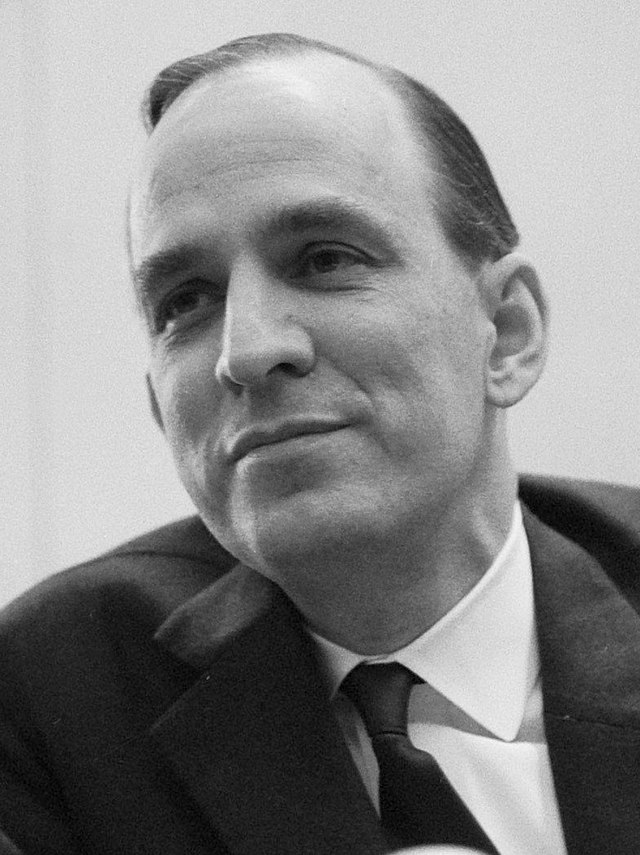
Ingmar Bergman, born Ernst Ingmar Bergman on July 14, 1918, in Uppsala, Sweden, is widely regarded as one of the greatest filmmakers in the history of cinema. His profound influence on the medium is evident in his introspective storytelling, innovative use of narrative structures, and exploration of existential themes. This article provides a comprehensive overview of Bergman’s life, career, and enduring legacy, offering detailed insights and exploring the historical context of his work.
Early Life and Education
Childhood and Family Background
Ingmar Bergman was born into a strict Lutheran family, which profoundly influenced his worldview and later his films. His father, Erik Bergman, was a chaplain to the King of Sweden and later a parish priest. Ingmar’s upbringing was characterized by severe discipline, which often included punishment and confinement. This austere environment instilled in him themes of sin, confession, punishment, and redemption—concepts that would become central to his work.
Academic Pursuits
At the age of nineteen, Bergman enrolled at the University of Stockholm, initially pursuing a degree in art and literature. However, his burgeoning interest in theater and film soon overshadowed his academic studies. Bergman began writing plays and directing student productions, demonstrating early on his talent for storytelling and his penchant for exploring complex human emotions.
Early Career in Theater
Stockholm’s Theatrical Scene
Bergman’s early career was marked by his involvement in Stockholm’s theatrical scene. He quickly gained a reputation for his innovative direction and compelling productions. His early works were often satirical and provocative, challenging societal norms and authority figures, much like his later films.
Breakthrough with “Hets”
In 1944, Bergman wrote the screenplay for “Hets” (Torment), an allegory against Nazism directed by Alf Sjöberg. The film’s success brought Bergman significant attention, establishing him as a promising young talent in Swedish cinema. This breakthrough led to his collaboration with Svensk Filmindustri, one of Sweden’s leading film production companies.
Transition to Filmmaking
Directorial Debut
Bergman made his directorial debut in 1946 with “Kris” (Crisis). Although the film received mixed reviews, it marked the beginning of his prolific career in cinema. Over the next few years, Bergman directed several films that reflected his growing mastery of the medium and his evolving thematic concerns.
Early Influences and Themes
Bergman’s early films, such as “Summer with Monika” (1953) and “Sawdust and Tinsel” (1953), showcased his ability to blend realism with poetic symbolism. These works often focused on the psychological and existential struggles of individuals, exploring themes of love, betrayal, and the human condition. Bergman’s early influences included playwright August Strindberg and filmmaker Victor Sjöström, whose works resonated with his own artistic vision.
Major Works and International Fame
“The Seventh Seal” and “Wild Strawberries”
The late 1950s and early 1960s were a period of remarkable creativity and international recognition for Bergman. In 1957, he directed “The Seventh Seal,” a film that has become iconic for its depiction of a knight playing chess with Death during the Black Plague. The film’s exploration of faith, mortality, and the search for meaning captivated audiences worldwide.
In the same year, Bergman released “Wild Strawberries,” a deeply personal film about an aging professor reflecting on his life. The film’s introspective narrative and evocative imagery further established Bergman as a master storyteller. “Wild Strawberries” won the Golden Bear at the Berlin Film Festival and solidified Bergman’s reputation as a leading figure in world cinema.
“Persona” and Psychological Exploration
In 1966, Bergman directed “Persona,” a film that is often considered his masterpiece. “Persona” delves into the complex relationship between an actress who has stopped speaking and her nurse. The film’s innovative narrative techniques and psychological depth made it a landmark in cinematic history. “Persona” exemplifies Bergman’s fascination with identity, duality, and the nature of reality.
Later Career and Thematic Evolution
1970s: Expanding Horizons
The 1970s saw Bergman expanding his thematic repertoire and experimenting with different genres. Films like “Cries and Whispers” (1972) and “Scenes from a Marriage” (1973) explored familial relationships, emotional intimacy, and the inner lives of women. “Cries and Whispers,” with its intense portrayal of suffering and reconciliation, received critical acclaim and an Academy Award nomination for Best Picture.
“Fanny and Alexander” and Final Films
In the 1980s, Bergman directed what he described as his swan song, “Fanny and Alexander” (1982). This epic film, set in the early 20th century, is a richly detailed exploration of childhood, family, and the supernatural. “Fanny and Alexander” won four Academy Awards, including Best Foreign Language Film, and is considered one of Bergman’s most accessible and universally acclaimed works.
After “Fanny and Alexander,” Bergman largely retired from filmmaking, although he continued to work in theater and television. He wrote several autobiographical works, including “The Magic Lantern” (1987) and “Images: My Life in Film” (1990), which provided further insights into his creative process and personal life.
Personal Life and Legacy
Relationships and Family
Bergman’s personal life was as complex as his films. He was married five times and had nine children. His relationships with his wives and children were often tumultuous, reflecting the emotional intensity and complexity seen in his work. Despite these challenges, Bergman maintained close connections with several of his children, some of whom followed in his footsteps in the arts.
Influence and Recognition
Ingmar Bergman’s influence on cinema is immeasurable. His work has inspired countless filmmakers, including Woody Allen, Martin Scorsese, and Lars von Trier. Bergman’s ability to probe the depths of the human psyche and his innovative use of cinematic techniques have left an indelible mark on the art form.
Throughout his career, Bergman received numerous awards and honors, including the Golden Bear at the Berlin Film Festival, the Palme d’Or at Cannes, and multiple Academy Awards. In 2005, he was honored with the Federico Fellini Prize for cinematic excellence, recognizing his lifelong contributions to film.
Historical Context and Impact
Post-War European Cinema
Bergman’s career unfolded during a transformative period in European cinema. The post-war era saw filmmakers across the continent grappling with themes of existentialism, identity, and societal change. Bergman’s work, with its introspective focus and philosophical depth, was emblematic of this broader artistic movement.
Legacy in Film and Beyond
Bergman’s legacy extends beyond his films. His work in theater and television, his writings, and his influence on other artists have ensured that his impact is felt across multiple media. Bergman’s exploration of universal themes such as love, death, faith, and the search for meaning continues to resonate with audiences and artists alike.
Conclusion
Ingmar Bergman’s life and work represent a monumental contribution to the arts. From his early days in Stockholm’s theater scene to his international acclaim as a filmmaker, Bergman consistently pushed the boundaries of storytelling and cinematic expression. His films, with their profound psychological insights and existential inquiries, remain as relevant and powerful today as when they were first released.
Bergman’s enduring legacy is a testament to his genius and his ability to capture the complexities of the human experience. As we continue to engage with his work, Ingmar Bergman stands as a towering figure in the history of cinema, whose influence and inspiration will undoubtedly endure for generations to come.


