
Introduction
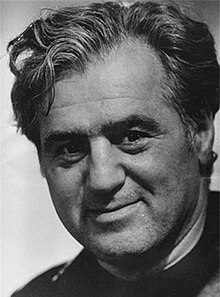
Irving Layton, born Israel Pincu Lazarovitch on March 12, 1912, in Târgu Neamt, Romania, emerged as one of Canada’s most influential and controversial poets. Known for his passionate, often provocative works, Layton’s poetry reflected a deep engagement with the human condition, societal norms, and his own Jewish heritage. His life and career spanned much of the 20th century, during which he became a leading figure in Canadian literature and a significant voice in the global literary community. This article explores Layton’s age, rise to fame, key life highlights, and his enduring impact on literature.
Early Life and Emigration to Canada
Irving Layton was born to Jewish parents, Moses and Klara Lazarovitch, in a small Romanian town. The family emigrated to Canada in 1913, settling in Montreal, Quebec. Growing up in the working-class neighborhoods of Montreal, Layton was exposed to the harsh realities of immigrant life, an experience that would later influence his poetry. Despite the challenges of his early years, Layton was an avid reader, showing an early interest in literature.
His education began in Montreal, where he attended public schools before enrolling at McGill University. At McGill, Layton was introduced to the works of English poets such as Alfred Lord Tennyson, Walter Scott, and William Wordsworth. These early influences helped shape his poetic voice, although Layton would later break away from the romanticism that characterized these writers, developing a style that was raw, direct, and often confrontational.
The Beginnings of a Literary Career
Layton’s literary career began in earnest in the 1940s, a period marked by the rise of modernist poetry in Canada. This era saw the emergence of a new generation of poets who sought to break away from traditional forms and themes, embracing instead a more experimental and often more politically engaged approach to poetry. Layton was at the forefront of this movement, alongside other notable Canadian poets such as Louis Dudek and Raymond Souster.
In 1945, Layton published his first collection of poetry, Here and Now, which set the tone for much of his subsequent work. The poems in this collection were characterized by their intensity, their exploration of the human psyche, and their critique of societal norms. Layton’s early work was influenced by his experiences as an immigrant, his encounters with anti-Semitism, and his deep sense of social justice. He was unafraid to tackle difficult subjects, often addressing themes such as death, love, and the struggle for identity.
Rise to Fame and the 1950s
The 1950s marked a turning point in Layton’s career, as he began to gain recognition both in Canada and internationally. His poetry became increasingly bold, and he developed a reputation as a provocateur. Layton’s work during this period was characterized by its exploration of eroticism, death, and the human condition, often with a biting satirical edge.
One of his most notable collections from this period is Love the Conqueror Worm (1953), which cemented his reputation as a leading voice in Canadian poetry. This collection, like much of his work, blended the personal with the political, the erotic with the philosophical. Layton’s ability to fuse these elements into a cohesive whole made his poetry both accessible and deeply profound.
Layton’s fame continued to grow throughout the decade, with the publication of several more collections, including The Cold Green Element (1955) and A Red Carpet for the Sun (1959). The latter won the Governor General’s Award for Poetry in 1959, one of Canada’s most prestigious literary honors. This recognition catapulted Layton into the national spotlight and solidified his status as one of Canada’s foremost poets.
The 1960s and Beyond: A Mature Voice
By the 1960s, Irving Layton had become a prominent figure not only in Canadian literature but also on the international stage. His poetry was translated into several languages, and he gained a following in Europe, particularly in Italy and France. During this period, Layton’s work began to reflect a deeper engagement with his Jewish heritage, as well as a continued exploration of themes such as mortality, love, and the human condition.
One of his significant works from this era is Collected Poems (1965), which brought together many of his most important poems and served as a retrospective of his career up to that point. This collection showcased the evolution of Layton’s poetic voice, from the passionate intensity of his early work to the more reflective tone of his later poems.
The late 1960s also saw the publication of Periods of the Moon (1967), a collection that further explored the themes of love, death, and human frailty. Layton’s poetry during this time was marked by a heightened sense of introspection and a deeper philosophical inquiry, reflecting his own personal and spiritual journey.
Personal Life and Influence on Others
Irving Layton’s personal life was as complex and intense as his poetry. He was married five times and had several children. His relationships, often tumultuous, were a source of inspiration and reflection in his work. Layton was known for his passionate and often contentious personality, which was reflected in both his poetry and his public life.
Layton was also a mentor to many younger poets, including the famed singer-songwriter Leonard Cohen. Cohen, who considered Layton both a friend and a teacher, often spoke of Layton’s influence on his own work. Layton’s impact on Cohen was profound, particularly in the way Cohen approached themes of love, death, and spirituality in his music and poetry.
In addition to his mentorship, Layton was also a significant figure in the Canadian literary community, helping to shape the direction of Canadian poetry in the mid-20th century. His work challenged the status quo and inspired a generation of poets to push the boundaries of what poetry could be.
Later Years and Legacy
As Layton entered his later years, his poetry continued to evolve, though it retained the intensity and passion that had defined his earlier work. His later collections, such as The Unwavering Eye (1975), continued to explore themes of love, death, and the human experience, though with a greater sense of reflection and wisdom.
Despite his continued productivity, Layton’s later years were also marked by a sense of isolation and declining health. However, his contributions to Canadian and world literature were widely recognized. In 1981, he was made an Officer of the Order of Canada, one of the country’s highest civilian honors. He also received numerous other awards and accolades throughout his life, including honorary doctorates from several Canadian universities.
Layton passed away on January 4, 2006, in Montreal, the city that had been his home for most of his life. His death marked the end of an era in Canadian literature, but his legacy lives on through his poetry and the many writers he inspired.
The Enduring Impact of Irving Layton
Irving Layton’s impact on literature is profound and enduring. His poetry, with its raw intensity, its exploration of the human condition, and its unflinching critique of societal norms, continues to resonate with readers and writers alike. Layton’s work challenged the conventions of his time, paving the way for future generations of poets to explore new forms, themes, and ideas.
Layton’s influence can be seen in the work of many contemporary poets, both in Canada and abroad. His willingness to tackle difficult subjects, to push the boundaries of language and form, and to engage with the world around him has made him a model for poets seeking to create work that is both artistically ambitious and socially relevant.
In addition to his influence on poetry, Layton’s life and work have also had a significant impact on Canadian culture more broadly. He was a vocal advocate for the role of the artist in society, and his work often reflected his deep engagement with the social and political issues of his time. Layton’s legacy, therefore, is not just as a poet, but as a cultural figure who helped to shape the intellectual and artistic landscape of 20th-century Canada.
Conclusion: Irving Layton’s Lasting Legacy
Irving Layton’s life and work represent a significant chapter in the history of Canadian literature. From his early days as an immigrant in Montreal to his rise as one of the country’s most important poets, Layton’s journey was marked by a fierce commitment to his craft and a deep engagement with the world around him.
Layton’s poetry, characterized by its intensity, its exploration of the human experience, and its unflinching critique of societal norms, continues to inspire readers and writers today. His legacy as a poet, a mentor, and a cultural figure is one that will endure for generations to come.
As we reflect on the life and work of Irving Layton, it is clear that his contributions to literature and culture are not only significant but also timeless. His work remains a powerful reminder of the potential of poetry to illuminate, to challenge, and to inspire.


