
The history of Israel is a complex tapestry woven with threads of aspiration, conflict, resilience, and diplomacy. Understanding Israel’s journey from an idea to a nation provides a window into the broader geopolitical dynamics of the Middle East. This article aims to delve into the age of Israel as a state, its rise to fame on the international stage, and key life highlights that have shaped its modern identity.
The Age of Israel as a State
Israel is relatively young as a modern nation-state, having been officially established on May 14, 1948. This date marks the end of the British mandate over Palestine and the beginning of a new era for the Jewish people who sought a homeland after centuries of diaspora and persecution. The concept of a Jewish homeland can be traced back to the late 19th century with the formation of the Zionist movement, spearheaded by Theodor Herzl in 1897. Herzl and his followers aimed to establish a Jewish state in Palestine, then a part of the Ottoman Empire, as a refuge for Jews facing widespread anti-Semitism in Europe.
The Balfour Declaration of 1917 by the British government was a critical milestone that expressed support for “the establishment in Palestine of a national home for the Jewish people.” However, this declaration also laid the groundwork for decades of conflict, as it promised a homeland to Jews in a land already inhabited by Palestinian Arabs, leading to competing nationalist claims.
Israel’s Rise to Fame
Israel’s fame on the global stage is deeply intertwined with its ability to survive and thrive amid adversity. From its inception, Israel has faced numerous existential threats from neighboring Arab states and internal conflicts with Palestinian inhabitants and refugees. The 1948 Arab-Israeli War, which erupted immediately after Israel’s declaration of independence, saw newly formed Israel defending itself against a coalition of Arab armies. This conflict resulted in the armistice agreements of 1949 and established the armistice lines, which later became known as the Green Line.
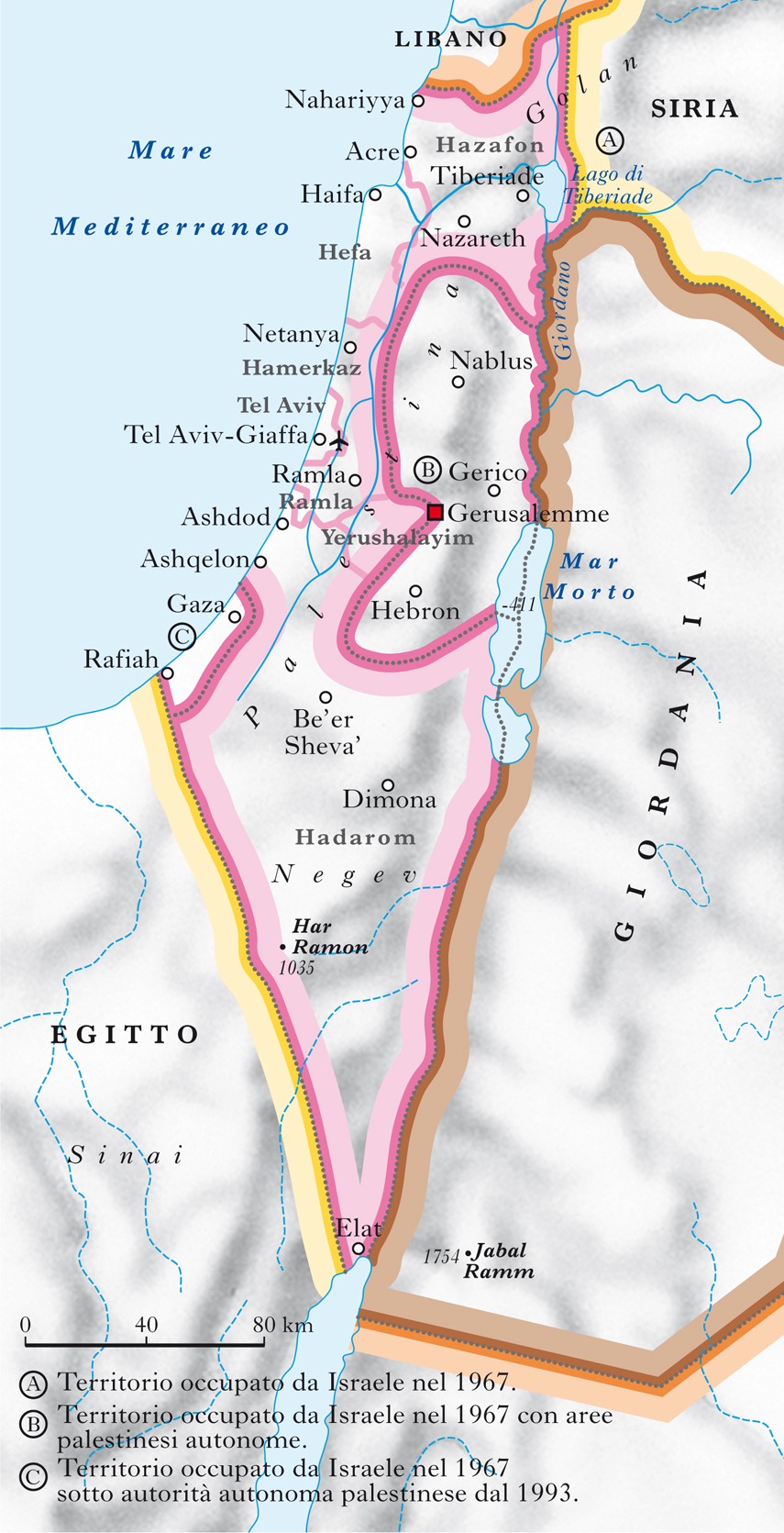
Israel’s fame further grew with its remarkable victories in subsequent wars, such as the 1956 Suez Crisis, where Israel, alongside the United Kingdom and France, launched a successful military operation against Egypt following President Gamal Abdel Nasser’s nationalization of the Suez Canal. The 1967 Six-Day War was another significant moment that elevated Israel’s military prowess in the eyes of the world. In this brief yet impactful conflict, Israel captured the Sinai Peninsula, Gaza Strip, West Bank, East Jerusalem, and the Golan Heights, dramatically changing the geopolitical landscape of the region.
These military successes, coupled with its democratic governance structure in a region largely dominated by authoritarian regimes, have positioned Israel as a unique and influential player on the international stage.
Historical Context and Key Highlights of Israeli History
The story of Israel is not just about wars and conflicts; it is also about nation-building, immigration, and cultural evolution. Here are some key highlights that provide a deeper understanding of Israel’s journey:
-
The Founding of Israel (1948): The declaration of the state of Israel was a momentous event that followed the United Nations Partition Plan of 1947, which proposed to divide Palestine into separate Jewish and Arab states. The plan was accepted by Jewish leaders but rejected by the Arab side, leading to the outbreak of civil war in Palestine, followed by the first Arab-Israeli war upon the end of the British mandate.
-
Immigration Waves (1948-1952): In the early years of its existence, Israel witnessed massive waves of Jewish immigration, known as Aliyah. Holocaust survivors from Europe and Jews from Arab countries poured into the new state, significantly altering its demographic and cultural landscape. The influx of nearly 700,000 immigrants within the first few years of statehood was a formative experience, as Israel had to rapidly build housing, employment, and infrastructure to accommodate the newcomers.
-
United Nations Membership (1949): Shortly after its founding, Israel was admitted to the United Nations as its 59th member state. This recognition was crucial for Israel’s legitimacy on the world stage and its ability to engage in international diplomacy.
-
The Six-Day War (1967): Perhaps one of the most defining moments in Israeli history, the Six-Day War not only showcased Israel’s military capabilities but also reshaped the Middle East. The war’s outcome led to the occupation of the West Bank, East Jerusalem, Gaza Strip, Sinai Peninsula, and Golan Heights. These territorial gains, however, also set the stage for future conflicts and are still a core issue in Israeli-Palestinian relations today.
-
Yom Kippur War (1973): The surprise attack by Egypt and Syria on Yom Kippur, the holiest day in Judaism, aimed to recapture territories lost in the Six-Day War. Although Israel managed to push back the invaders, the war exposed vulnerabilities and led to significant casualties, prompting a re-evaluation of Israel’s security policies and a focus on achieving peace.
-
Camp David Accords (1978-1979): One of the first major breakthroughs in the Arab-Israeli conflict came with the Camp David Accords, brokered by U.S. President Jimmy Carter. The peace treaty between Israel and Egypt in 1979 led to the return of the Sinai Peninsula to Egypt and established a framework for potential peace between Israel and other Arab states. This accord marked Israel’s first formal recognition by an Arab country and demonstrated the possibility of diplomatic resolutions.
-
First Intifada (1987-1993): The Palestinian uprising, known as the First Intifada, marked a significant shift in the Israeli-Palestinian conflict. It highlighted the persistent tensions between Israelis and Palestinians and brought international attention to the Palestinian quest for statehood. This period also saw the emergence of new Palestinian political entities and a more organized resistance against Israeli rule in the occupied territories.
-
Oslo Accords (1993): The signing of the Oslo Accords was another landmark in Israeli history, symbolizing hope for a peaceful resolution to the Israeli-Palestinian conflict. The accords resulted in mutual recognition between the Palestine Liberation Organization (PLO) and Israel and led to the establishment of the Palestinian Authority, tasked with self-governance in parts of the West Bank and Gaza Strip. However, the subsequent years have shown that achieving lasting peace is a complex and ongoing challenge.
-
Second Intifada (2000-2005): The breakdown of the Oslo process and continued disputes over territory, sovereignty, and mutual recognition led to the Second Intifada, a period of intensified Israeli-Palestinian violence. This phase involved widespread violence, suicide bombings, and military operations, deeply affecting both Israeli and Palestinian societies and diminishing hopes for a near-term peace agreement.
-
Recent Developments (2005-Present): In recent years, Israel has continued to navigate a challenging geopolitical landscape. The withdrawal from Gaza in 2005, ongoing settlement expansions in the West Bank, fluctuating relationships with neighboring countries, and internal political shifts have all played a role in shaping contemporary Israeli policy and society. The Abraham Accords of 2020, which normalized relations between Israel and several Arab nations, including the United Arab Emirates and Bahrain, represent a new chapter in Israel’s diplomatic efforts to secure regional stability.
Nuances and Historical Context
Understanding Israel’s history requires more than a review of events; it necessitates an exploration of the nuanced socio-political dynamics and historical contexts that have influenced its development. The Zionist movement, for example, was not just a response to anti-Semitism but also part of a broader nationalist trend in Europe, where various ethnic groups sought self-determination.
The geopolitical context of Israel’s formation is also critical. The post-World War II environment, shaped by decolonization and the Cold War, provided both opportunities and challenges for the nascent state. Support from the United States and the Soviet Union, for differing reasons, was pivotal in Israel’s early years.
Furthermore, the ongoing Israeli-Palestinian conflict is a profound example of a clash between two national movements with deep historical roots. The Palestinian narrative centers around displacement, loss, and the right to self-determination, while the Israeli narrative emphasizes security, historical connection to the land, and survival amidst hostility.
The international community’s role, particularly the United Nations, has also been significant in shaping Israel’s history, from the partition plan of 1947 to numerous resolutions concerning peace and security in the region.
Conclusion
Israel’s age, fame, and life highlights offer a rich tapestry of history marked by conflict, resilience, and a quest for peace. The state’s journey from a Zionist dream to a globally recognized nation is a testament to the complexities of modern state-building and the enduring nature of historical grievances and aspirations. As Israel continues to navigate its future, its history remains a crucial lens through which we can understand its present and anticipate its future developments.


