
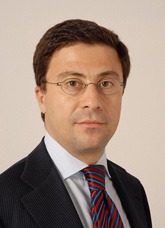
Italo Bocchino, born on July 6, 1967, in Naples, Italy, is a prominent Italian politician, journalist, and editor. His career spans several decades, during which he has been a significant figure in the Italian political landscape, particularly within the right-wing factions. This article delves into his life, career, and contributions, providing a comprehensive overview of his journey and impact.
Early Life and Education
Italo Bocchino was born and raised in Naples, where he developed an early interest in politics and public service. He pursued higher education in Law, graduating from the University of Naples. His academic background in jurisprudence provided a solid foundation for his future career in politics and journalism.
Political Beginnings
Bocchino’s political career began in his youth when he became involved with the Italian Social Movement (MSI) and its youth wing, FUAN. These early experiences helped shape his political ideology and provided a platform for his initial foray into the political arena. As a young activist, he quickly gained recognition for his organizational skills and dedication to the party’s cause.
Early Political Career
Bocchino’s rise in the political ranks was swift. He became a protégé of Giuseppe Tatarella, a prominent MSI deputy and minister. Tatarella’s mentorship was instrumental in Bocchino’s early career, helping him navigate the complexities of Italian politics. Bocchino served as Tatarella’s spokesperson, a role that honed his communication skills and broadened his political network.
Journalism and Parliamentary Career
Parallel to his political activities, Bocchino pursued a career in journalism. He obtained his press card by working with “Roma” and later became a parliamentary correspondent for “Secolo d’Italia.” His journalistic endeavors further elevated his profile, culminating in his election to the Chamber of Deputies in 1996 at the age of 29.
Roles and Responsibilities
As a member of the Chamber of Deputies, Bocchino was actively involved in various committees, including the Constitutional Affairs Committee, the Foreign and Community Affairs Committee, the Transport, Post, and Telecommunications Committee, and the Parliamentary Commission of Inquiry on the Telekom Serbia affair. These roles allowed him to influence significant legislative matters and expand his political influence.
The 2000s: Political Ascendancy
Bocchino’s political career gained momentum in the 2000s. In 2001, he was re-elected to the Chamber of Deputies, solidifying his position within the political establishment. His involvement in high-profile commissions increased his visibility and influence within the party.
Regional Politics and Setbacks
In 2005, Bocchino ran for the presidency of the Campania region. Despite a vigorous campaign and significant media coverage, he was defeated by Antonio Bassolino, who secured 61.1% of the vote to Bocchino’s 34.4%. Although he initially expressed a desire to lead the opposition in the regional council, Bocchino chose to resign and focus on his parliamentary duties in Rome.
Aligning with Gianfranco Fini
During this period, Bocchino aligned closely with Gianfranco Fini, a leading figure in the National Alliance (Alleanza Nazionale). His loyalty to Fini was evident during the political strife between Fini and Silvio Berlusconi. Bocchino supported Fini in the creation of Future and Freedom (Futuro e Libertà, FLI), a new political group formed after Fini’s expulsion from the People of Freedom (Popolo della Libertà, PDL).
Founding Futuro e Libertà
The formation of FLI marked a significant turning point in Bocchino’s career. As a co-founder, he played a crucial role in shaping the party’s policies and direction. Although FLI aimed to provide a conservative alternative within the center-right spectrum, its efforts to challenge Berlusconi’s dominance ultimately weakened the party.
Leadership Roles
In February 2011, Bocchino was elected vice president of Futuro e Libertà, reaffirming his leadership within the party. Despite internal challenges and external criticisms, he remained a vocal advocate for the party’s principles and vision.
Personal Life and Public Image
Italo Bocchino’s personal life has also attracted public attention. In July 2011, he announced his separation from his wife, Gabriella Buontempo. The divorce was reportedly linked to his relationship with Mara Carfagna, a former minister and fellow politician. This revelation sparked significant media coverage and public scrutiny.
Professional Ventures
Beyond politics, Bocchino has maintained a strong presence in journalism and media. In 2014, he became the editorial director of “Secolo d’Italia,” a role he held until January 2019, and resumed in 2020. He also contributed to the establishment of the newspaper “Il Riformista,” working alongside Piero Sansonetti.
Academic and Professional Contributions
Bocchino’s expertise and experience have been recognized in academic circles. He served as a lecturer at the LUISS Business School, sharing his insights on political communication and strategy. In July 2020, he was elected vice president of the Italian Federation of Newspaper Publishers (FIEG), specifically for the digital publishers’ section.
Political Legacy and Influence
Italo Bocchino’s career is marked by his steadfast commitment to his political ideals and his ability to adapt to changing political landscapes. His influence within the right-wing factions of Italian politics has been significant, particularly through his roles in both the National Alliance and Futuro e Libertà.
Advocacy and Policy Influence
Throughout his career, Bocchino has been a strong advocate for constitutional reform, foreign policy, and media freedom. His work on various parliamentary committees and his leadership roles within his party have allowed him to shape policy and influence legislative outcomes.
Public Perception and Media Presence
Bocchino’s articulate and media-savvy approach has made him a prominent figure in Italian politics. His ability to communicate effectively and his readiness to engage with the media have contributed to his enduring public presence. Despite controversies and political setbacks, he remains a respected commentator and political strategist.
Conclusion
Italo Bocchino’s journey from a young political activist in Naples to a key player in Italian politics and media is a testament to his resilience, adaptability, and dedication. His contributions to the political discourse, both as a politician and a journalist, have left a lasting impact on Italian society. As he continues to engage in public life, Bocchino’s legacy as a significant figure in contemporary Italian politics is firmly established.


