
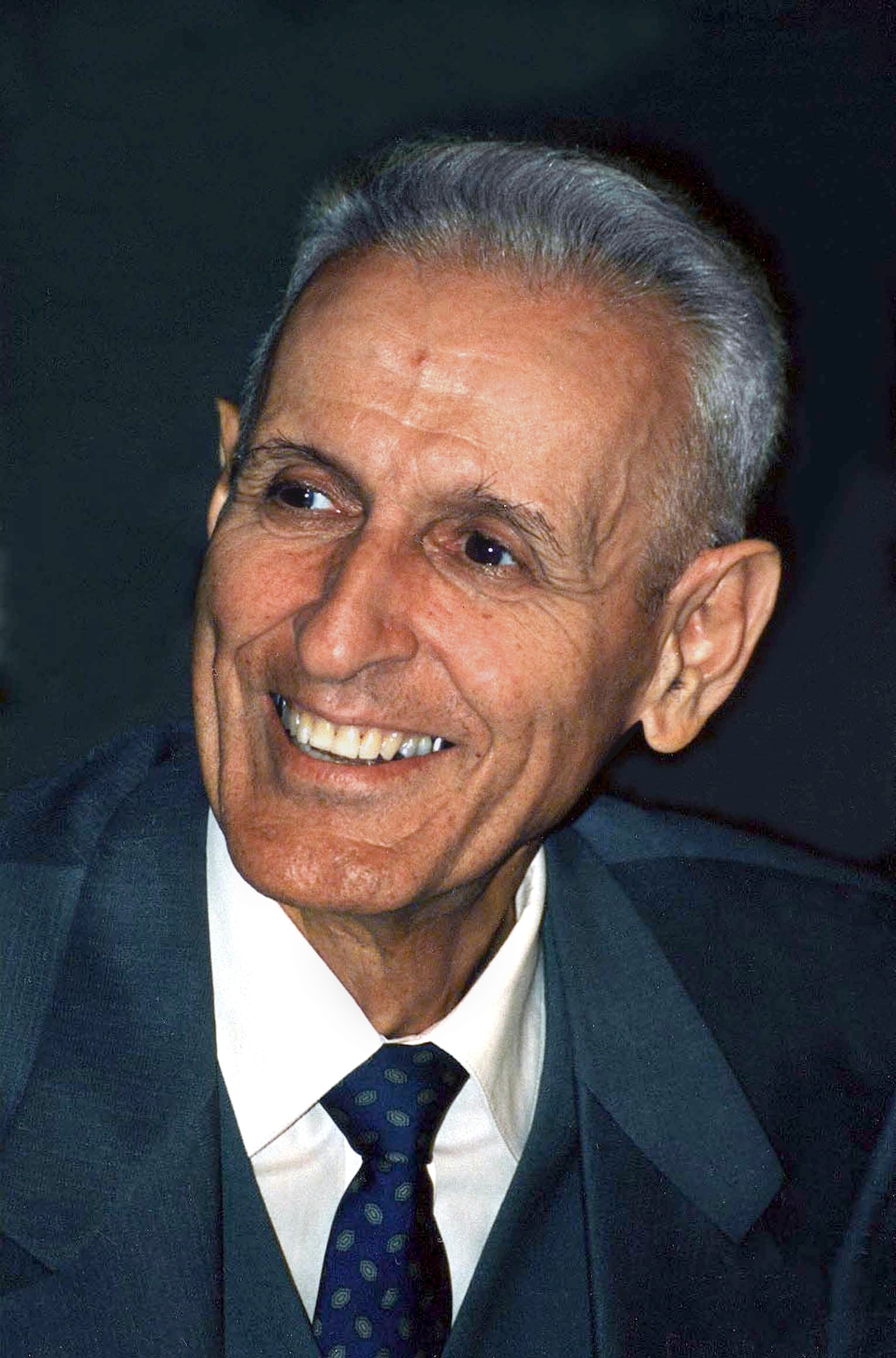
Introduction to Jack Kevorkian
Jack Kevorkian, often referred to as “Dr. Death,” is a name that evokes strong emotions and debates on ethics, medicine, and the right to die. Born on May 26, 1928, in Pontiac, Michigan, Kevorkian was a pathologist who gained international notoriety for his advocacy of physician-assisted suicide. His controversial actions and unwavering stance on the right of terminally ill patients to end their lives made him a polarizing figure in medical ethics. Kevorkian’s life, marked by legal battles, imprisonment, and public scrutiny, remains a significant chapter in the history of the right-to-die movement.
Early Life and Education
Jack Kevorkian, whose birth name was Jacob Kevorkian, was born to Armenian immigrants who had fled the genocide in their homeland. Growing up in Michigan, Kevorkian was known for his intelligence and curiosity. He excelled academically, graduating from Pontiac Central High School with high honors at the age of 17. His early interest in science and medicine led him to pursue a degree at the University of Michigan, where he earned his medical degree in 1952.
Kevorkian’s early career was marked by a fascination with death and the processes surrounding it. During his residency in pathology, he conducted research on the eyes of dying patients, hoping to determine the exact moment of death. This interest in death would later evolve into a career focused on euthanasia and the ethics surrounding end-of-life decisions.
The Path to Advocacy: Euthanasia and Assisted Suicide
The 1980s marked a turning point in Kevorkian’s career. During this decade, he began to write extensively on the topic of euthanasia, contributing articles to medical journals and speaking out on what he viewed as the ethical necessity of allowing terminally ill patients to choose death over prolonged suffering. His writings often appeared in the “German Journal of Medicine and Law,” where he argued that the right to die was a fundamental human right.
Kevorkian’s advocacy for euthanasia was not just theoretical. He actively sought to provide a solution for those suffering from incurable diseases and unbearable pain. This led him to develop the “Mercitron,” a device that allowed patients to self-administer a lethal dose of medication. Kevorkian’s invention was revolutionary, offering patients a controlled and painless means to end their lives, but it also placed him on a collision course with legal authorities and medical ethics boards.
The First Assisted Suicide and Legal Battles
In 1990, Jack Kevorkian assisted in his first publicized case of physician-assisted suicide. Janet Adkins, a 54-year-old woman diagnosed with Alzheimer’s disease, became the first person to use Kevorkian’s Mercitron. The case immediately attracted media attention and sparked a national debate on the legality and morality of assisted suicide.
Following Adkins’ death, Kevorkian was charged with murder, but the case was dismissed due to the lack of a clear law prohibiting assisted suicide in Michigan at the time. However, this legal victory was short-lived. Over the next decade, Kevorkian assisted in the deaths of more than 130 patients, each case drawing more attention and more legal challenges.
Despite the mounting legal pressure, Kevorkian remained steadfast in his beliefs. He continued to assist patients, often videotaping the procedures to document that the patients were making their decisions willingly. These tapes were used as evidence in court and in the public sphere to advocate for the legalization of euthanasia.
The Turning Point: Kevorkian’s Imprisonment
The case that ultimately led to Kevorkian’s imprisonment involved Thomas Youk, a 52-year-old man suffering from amyotrophic lateral sclerosis (ALS). Unlike his previous cases, Kevorkian administered the lethal injection himself, rather than allowing the patient to self-administer. Kevorkian recorded the procedure and provided the tape to the CBS news program “60 Minutes,” which aired the footage in 1998.
The broadcast led to widespread outrage and prompted legal action. This time, Kevorkian was charged with second-degree murder and the illegal delivery of a controlled substance. In 1999, he was convicted and sentenced to 10 to 25 years in prison. Kevorkian served eight years before being released in 2007 for good behavior.
Impact on the Right-to-Die Movement
Jack Kevorkian’s actions had a profound impact on the right-to-die movement in the United States and around the world. His advocacy brought the issue of assisted suicide into the public consciousness and forced legal and medical institutions to confront the ethical dilemmas surrounding end-of-life care. While his methods were controversial, they ignited a debate that continues to this day.
Kevorkian’s case also highlighted the inconsistencies in the legal system regarding assisted suicide. His legal battles underscored the need for clear legislation on the issue, leading to increased advocacy for patients’ rights and the eventual legalization of physician-assisted suicide in several states, including Oregon, Washington, and California.
Media Portrayal and Legacy
Jack Kevorkian’s story captured the imagination of the public and the media, leading to numerous portrayals in film and television. The most notable of these was the HBO film “You Don’t Know Jack,” in which Al Pacino portrayed Kevorkian. The film, which aired in 2010, provided a nuanced portrayal of Kevorkian’s life and beliefs, earning Pacino both an Emmy and a Golden Globe for his performance.
Kevorkian’s legacy is complex. To some, he is a hero who fought for the rights of terminally ill patients to end their suffering. To others, he is a villain who overstepped ethical boundaries and played God with human lives. Regardless of one’s view, it is undeniable that Kevorkian’s actions forced society to grapple with difficult questions about death, dignity, and the role of medicine in end-of-life care.
Ethical Considerations and the Medical Community
The medical community’s response to Jack Kevorkian was largely negative, with many professionals condemning his actions as unethical and a violation of the Hippocratic Oath. The American Medical Association (AMA) was particularly vocal in its opposition, stating that assisted suicide was fundamentally incompatible with the physician’s role as healer.
However, Kevorkian’s work also inspired a subset of the medical community to reconsider the rigid boundaries of medical ethics. Some argued that in cases of extreme suffering, the most compassionate act a physician could perform was to help a patient end their life with dignity. This debate continues to evolve as medical technology advances and the population ages, leading to more discussions about the quality of life and patient autonomy.
The Global Perspective: Euthanasia and Assisted Suicide Laws
While Jack Kevorkian’s work primarily impacted the United States, the global perspective on euthanasia and assisted suicide has also been shaped by his actions. Countries like the Netherlands, Belgium, and Canada have since legalized euthanasia, with strict regulations in place to ensure that it is performed ethically and with the patient’s consent.
These international developments reflect a growing recognition of the need to address end-of-life issues in a way that respects both individual autonomy and ethical considerations. Kevorkian’s work, though controversial, paved the way for these legal changes by challenging societal norms and forcing policymakers to address the complexities of death and dying.
Conclusion
Jack Kevorkian’s life and career are emblematic of the complex interplay between medicine, ethics, and law. His unwavering belief in the right of individuals to choose death over suffering made him a pioneering figure in the right-to-die movement, even as it led to his downfall. Kevorkian’s story is one of conviction, controversy, and the relentless pursuit of what he believed to be a fundamental human right.
Today, the debates that Kevorkian ignited continue to shape discussions about euthanasia, patient rights, and the role of medicine in end-of-life care. Whether viewed as a martyr for a cause or a reckless physician who defied ethical norms, Jack Kevorkian’s impact on society is undeniable. His legacy serves as a reminder of the ongoing struggle to balance compassion, ethics, and the rule of law in the face of life’s most difficult decisions.


