
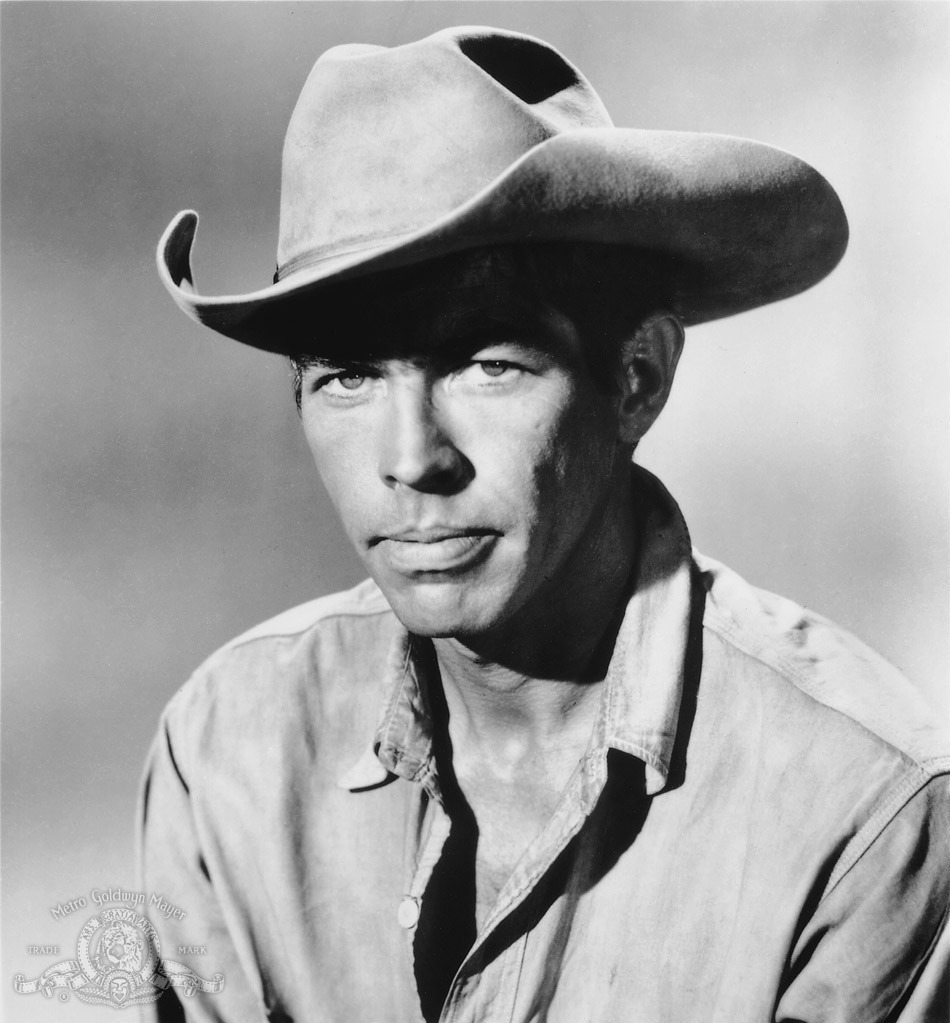
James Coburn, born on August 31, 1928, in Laurel, Nebraska, was a towering figure in Hollywood known for his rugged charm, deep voice, and memorable performances across a variety of genres. From his early days as a television actor to his later years as an Oscar-winning film star, Coburn’s career spanned over four decades, during which he became one of the most respected and recognizable actors of his generation. His performances, particularly in Westerns and action films, left an indelible mark on the industry, making him a beloved figure in American cinema. This article explores the life, career, and legacy of James Coburn, offering insights into the man behind the iconic roles.
Early Life and Beginnings in Acting
James Coburn grew up in Compton, California, after his family relocated from Nebraska during his childhood. His father was an auto mechanic, and Coburn spent much of his early life around machinery, which later contributed to his affinity for action roles involving cars, motorcycles, and firearms. He developed an interest in acting while attending Compton Junior College, where he performed in student theater productions.
After serving in the United States Army during World War II, Coburn used his G.I. Bill benefits to study acting at the Los Angeles City College and the University of Southern California (USC). He later honed his craft at the prestigious Stella Adler Studio of Acting in New York. His early years as an actor were marked by hard work and perseverance, as he took on various roles in stage productions and television series.
Coburn’s distinctive looks and powerful screen presence quickly caught the attention of casting directors. He made his film debut in 1959 with a minor role in Ride Lonesome, a Western directed by Budd Boetticher. This was the beginning of a long and successful career that would see Coburn become a staple in Westerns and action films.
Breakthrough Roles and Rise to Fame
James Coburn’s breakthrough came in 1960 when he was cast as Britt, the knife-throwing cowboy, in John Sturges’ classic Western The Magnificent Seven. The film, a remake of Akira Kurosawa’s Seven Samurai, became a significant success and established Coburn as a formidable presence in Hollywood. His portrayal of the laconic and deadly skilled Britt showcased Coburn’s ability to convey intensity and charisma with minimal dialogue, a trait that would define many of his later roles.
Following the success of The Magnificent Seven, Coburn continued to build his reputation as a tough, capable actor in a series of action-packed films. In 1963, he reunited with director John Sturges for The Great Escape, a World War II epic that featured an ensemble cast including Steve McQueen, Richard Attenborough, and Charles Bronson. Coburn played the role of Louis Sedgwick, an Australian prisoner of war and one of the masterminds behind the escape. The film was a critical and commercial success, further cementing Coburn’s status as a rising star.
Coburn’s ability to play the cool, unflappable hero made him a natural fit for the burgeoning spy genre of the 1960s. In 1966, he starred as Derek Flint in Our Man Flint, a satirical take on the James Bond franchise. The film was a box office hit and led to a sequel, In Like Flint (1967). Coburn’s portrayal of Flint, a suave, resourceful secret agent with a touch of humor, demonstrated his versatility as an actor and his ability to lead a film.
Versatility and Career Highlights
Throughout the 1960s and 1970s, James Coburn continued to work prolifically, appearing in a wide range of films that showcased his versatility. He starred in everything from action-packed thrillers to dramatic Westerns and even comedies. His ability to move seamlessly between genres made him one of the most sought-after actors of his time.
One of Coburn’s most memorable performances during this period was in Sam Peckinpah’s Pat Garrett and Billy the Kid (1973), where he played the title role of Pat Garrett, a former outlaw turned lawman. The film, which also starred Kris Kristofferson and featured a soundtrack by Bob Dylan, was praised for its gritty realism and complex characters. Coburn’s portrayal of Garrett, a man torn between his duty and his past, was widely acclaimed and remains one of his most iconic roles.
Another standout performance came in Sergio Leone’s Duck, You Sucker! (also known as A Fistful of Dynamite) in 1971, where Coburn played an Irish revolutionary alongside Rod Steiger. The film, a mix of spaghetti Western and political drama, allowed Coburn to explore a more nuanced character, showcasing his ability to convey both toughness and vulnerability.
Coburn was also known for his collaborations with director Blake Edwards, particularly in the comedy The Carey Treatment (1972) and the satirical war film What Did You Do in the War, Daddy? (1966). His ability to handle comedic roles with the same ease as dramatic ones further demonstrated his range as an actor.
Later Career and Recognition
As the 1980s approached, James Coburn’s career began to slow down, partly due to health issues. Coburn suffered from severe rheumatoid arthritis, which limited his ability to work as frequently as he had in the past. Despite this, he continued to take on roles that interested him, often in smaller, independent films.
In 1997, Coburn experienced a career resurgence when he won the Academy Award for Best Supporting Actor for his role in Affliction, directed by Paul Schrader. In the film, Coburn played Glen Whitehouse, an abusive, alcoholic father whose relationship with his son (played by Nick Nolte) is central to the story. Coburn’s performance was both powerful and harrowing, showcasing his ability to bring depth and complexity to even the most challenging roles. The Oscar win was a crowning achievement in Coburn’s long and distinguished career, earning him widespread acclaim and recognition.
Coburn continued to work in film and television throughout the late 1990s and early 2000s. He appeared in films such as The Nutty Professor (1996) and Payback (1999), and he provided voice work for animated films, including Monsters, Inc. (2001), where he voiced the character Henry J. Waternoose III. His final film role was in American Gun (2002), released posthumously.
Personal Life and Martial Arts
James Coburn’s off-screen life was as interesting as his on-screen persona. He was a passionate practitioner of martial arts, a discipline he pursued for many years. Coburn studied under the legendary Bruce Lee, becoming one of Lee’s closest friends and students. He was an ardent supporter of Lee’s work and philosophy, and he even served as a pallbearer at Lee’s funeral in 1973.
Coburn’s interest in martial arts extended beyond physical training; he was deeply influenced by the spiritual and philosophical aspects of the practice. This interest in Eastern philosophy and martial arts informed his approach to acting, particularly in roles that required a strong physical presence and a calm, focused demeanor.
In addition to his martial arts practice, Coburn was known for his love of classic cars and motorcycles, a passion that was often reflected in his choice of roles. He owned a number of rare and valuable vehicles throughout his life and was a regular participant in car shows and racing events.
Legacy and Cultural Impact
James Coburn’s legacy in Hollywood is defined by his distinctive presence, his versatility as an actor, and his contributions to some of the most memorable films of the 20th century. His ability to embody both the cool, detached hero and the complex, morally ambiguous character made him a unique figure in American cinema.
Coburn’s influence can be seen in the work of many actors who followed in his footsteps, particularly in the action and Western genres. His collaborations with directors like John Sturges, Sam Peckinpah, and Sergio Leone have left an indelible mark on film history, and his performances continue to be celebrated by audiences and critics alike.
Beyond his film work, Coburn’s dedication to martial arts and his friendship with Bruce Lee have contributed to the popularization of martial arts in the West. His passion for the discipline and his commitment to Lee’s teachings helped to bridge the gap between Eastern and Western cultures, influencing the portrayal of martial arts in Hollywood.
Conclusion
James Coburn’s life and career are a testament to his enduring talent, his dedication to his craft, and his ability to leave a lasting impact on the world of cinema. From his early days as a television actor to his later years as an Oscar-winning film star, Coburn’s journey was marked by a relentless pursuit of excellence and a willingness to take on challenging and diverse roles.
Coburn’s legacy is one of a true Hollywood icon, a man whose work continues to resonate with audiences around the world. His contributions to film, his passion for martial arts, and his distinctive presence on screen have ensured that he will be remembered as one of the greats of American cinema.


