
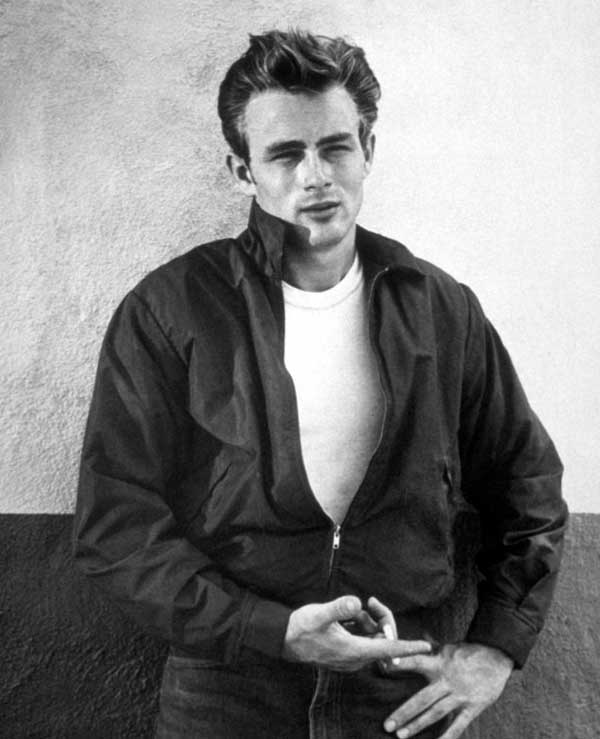
James Dean, born James Byron Dean on February 8, 1931, in Marion, Indiana, remains one of the most iconic figures in American pop culture. His untimely death at the age of 24 only cemented his status as a symbol of youthful rebellion, angst, and the complexities of adolescence. Despite a brief career in Hollywood, Dean’s impact on film, fashion, and music has been profound and lasting. This article explores James Dean’s life, the rise to fame that defined a generation, and the legacy he left behind.
Early Life: The Making of a Rebel
James Dean’s early life was marked by hardship and emotional turmoil, experiences that would later shape his screen persona. His mother, Mildred Wilson, died of cancer when Dean was just nine years old. This loss profoundly affected him, as he had been very close to her. Following her death, Dean was sent to live with his aunt and uncle on their farm in Fairmount, Indiana. His relationship with his father, Winton Dean, was strained, contributing to the feelings of abandonment and isolation that would later resonate in his acting.
Dean’s formative years in Indiana were a mix of rural life and a burgeoning interest in the arts. He was active in school plays and developed a passion for theater, which led him to move to Los Angeles after high school to pursue an acting career. In LA, he studied drama at UCLA and eventually dropped out to focus entirely on acting, moving to New York City to study at the prestigious Actors Studio under Lee Strasberg. It was here that Dean honed the Method acting techniques that would define his performances.
Rise to Fame: The Hollywood Breakthrough
James Dean’s rise to fame was meteoric, and his career, though brief, was marked by roles that showcased his intense, brooding style and emotional depth. His first major role came in 1955 when he was cast as Cal Trask in East of Eden, a film adaptation of John Steinbeck’s novel. Directed by Elia Kazan, East of Eden featured Dean as a young man struggling with feelings of rejection and resentment toward his father—emotions that mirrored Dean’s own life. His performance earned him critical acclaim and an Academy Award nomination for Best Actor, making him the first actor to receive a posthumous nomination.
Dean’s portrayal of Cal Trask was groundbreaking in its raw, unfiltered emotion. He brought a new level of realism to the screen, breaking away from the more polished, controlled performances typical of the era. Dean’s acting was unpredictable, spontaneous, and deeply personal, capturing the inner turmoil of a character desperate for his father’s approval. This role established Dean as a new kind of movie star—one who embodied the uncertainties and conflicts of post-war American youth.
Rebel Without a Cause: The Birth of an Icon
While East of Eden introduced James Dean to Hollywood, it was Rebel Without a Cause that immortalized him as a cultural icon. Released in 1955, the film directed by Nicholas Ray presented Dean as Jim Stark, a troubled teenager struggling to find his place in a world that seemed hostile and indifferent. The film resonated with audiences, particularly young people, who saw in Dean a reflection of their own struggles with identity, authority, and belonging.
In Rebel Without a Cause, Dean’s portrayal of Jim Stark was both tender and volatile, capturing the essence of teenage rebellion. The film’s themes of alienation and the search for meaning struck a chord with the youth of the 1950s, who were beginning to carve out their own cultural identity separate from that of their parents. Dean’s performance was so convincing that the line between the actor and the character seemed to blur. He was not just playing a rebel; he was the embodiment of rebellion itself.
The film’s influence extended beyond the screen. Dean’s wardrobe in the film—jeans, a white T-shirt, and a red windbreaker—became emblematic of the 1950s youth culture. His style was simple yet rebellious, symbolizing a break from the more formal fashion of the previous generation. Dean’s look in Rebel Without a Cause set a trend that has endured for decades, influencing everything from fashion to music.
Giant: The Final Performance
James Dean’s final film, Giant, was released posthumously in 1956. Directed by George Stevens, the epic film explored themes of family, power, and racism in Texas. Dean starred alongside Hollywood heavyweights Elizabeth Taylor and Rock Hudson, playing Jett Rink, a ranch hand who rises to wealth and power but is ultimately consumed by his own ambition and loneliness.
In Giant, Dean once again delivered a powerful performance, showcasing his range as an actor. His portrayal of Jett Rink was complex and layered, depicting a man who is both sympathetic and deeply flawed. The role demonstrated Dean’s ability to convey a character’s inner struggles and contradictions, further solidifying his reputation as one of Hollywood’s most promising talents.
Tragically, Dean did not live to see the film’s release. On September 30, 1955, just weeks after completing filming for Giant, James Dean died in a car crash while driving his Porsche 550 Spyder, which he had nicknamed “Little Bastard.” The accident occurred on California State Route 46 near Cholame, California. Dean was only 24 years old.
The Impact of a Legend: James Dean’s Cultural Legacy
James Dean’s death shocked the world and led to an outpouring of grief, particularly among young people who saw him as a symbol of their own struggles and aspirations. His untimely death cemented his status as a cultural icon, a symbol of the fleeting nature of youth and the tragic consequences of living life on the edge.
Dean’s influence on popular culture is immeasurable. He has been the subject of countless books, documentaries, and films, all attempting to capture the essence of what made him such a compelling figure. His image has been immortalized in art, music, and fashion, becoming synonymous with the concept of the “rebel without a cause.”
In the years following his death, Dean’s legacy has been embraced by successive generations of artists and musicians. His influence can be seen in the work of rock and roll legends like Elvis Presley and The Beatles, who admired Dean’s style and attitude. Presley, in particular, was known to have been influenced by Dean’s rebellious image, adopting a similar look and demeanor that would come to define his own career.
Dean’s impact on the film industry was equally significant. He introduced a new style of acting that prioritized emotional authenticity over traditional technique. This approach to acting has influenced generations of actors, from Marlon Brando and Montgomery Clift to contemporary stars like Leonardo DiCaprio and James Franco. Dean’s legacy lives on in the performances of actors who continue to draw inspiration from his raw, unfiltered portrayal of human emotion.
The Myth and Reality of James Dean
The myth of James Dean has, at times, overshadowed the reality of the man himself. Dean was a complex individual, known for his moodiness, intensity, and sensitivity. He was also deeply passionate about his craft, constantly striving to push the boundaries of his performances. Despite his tough exterior, Dean was known to be introspective and vulnerable, qualities that endeared him to those who knew him personally.
Dean’s personal life was often the subject of speculation and rumor. He was linked romantically to several actresses, including Pier Angeli and Liz Sheridan, though his relationships were often short-lived. Dean was also known for his close friendships with fellow actors and creatives, many of whom admired his talent and drive.
Dean’s passion for speed and racing was well-documented, and it ultimately led to his tragic death. He had a love for fast cars and motorcycles, often participating in races when he wasn’t filming. Dean’s death in a car accident only added to his legend, reinforcing the image of a young man who lived fast and died young.
James Dean: A Lasting Influence
More than six decades after his death, James Dean’s influence remains as strong as ever. He continues to be a symbol of youthful defiance and the eternal struggle for self-expression. His legacy is celebrated in various forms, from annual memorial events at his grave in Fairmount, Indiana, to exhibitions and retrospectives of his work.
Dean’s image is one of the most recognizable in popular culture, and his likeness continues to be used in advertising, fashion, and art. His portrayal of teenage angst and rebellion in Rebel Without a Cause has become a cultural touchstone, referenced in everything from music videos to fashion editorials.
The lasting appeal of James Dean lies in his ability to capture the essence of a generation. He was a voice for those who felt misunderstood and alienated, and his performances spoke to the universal experience of growing up and searching for one’s identity. Dean’s legacy is not just that of a movie star, but of a cultural icon who continues to inspire and resonate with people of all ages.
Conclusion: The Enduring Legacy of James Dean
James Dean’s life, though brief, left an indelible mark on American culture. His portrayal of the complexities of youth, his style, and his tragic end have all contributed to the enduring myth that surrounds him. Dean’s influence extends far beyond his three major films; he remains a symbol of rebellion, individuality, and the relentless pursuit of one’s dreams.
As we reflect on James Dean’s life and legacy, it is clear that his impact will continue to be felt for generations to come. He was more than just an actor—he was a cultural phenomenon, a beacon of youthful idealism, and a reminder of the power of cinema to capture the human experience. James Dean may have lived fast and died young, but his legend will live on forever.


