
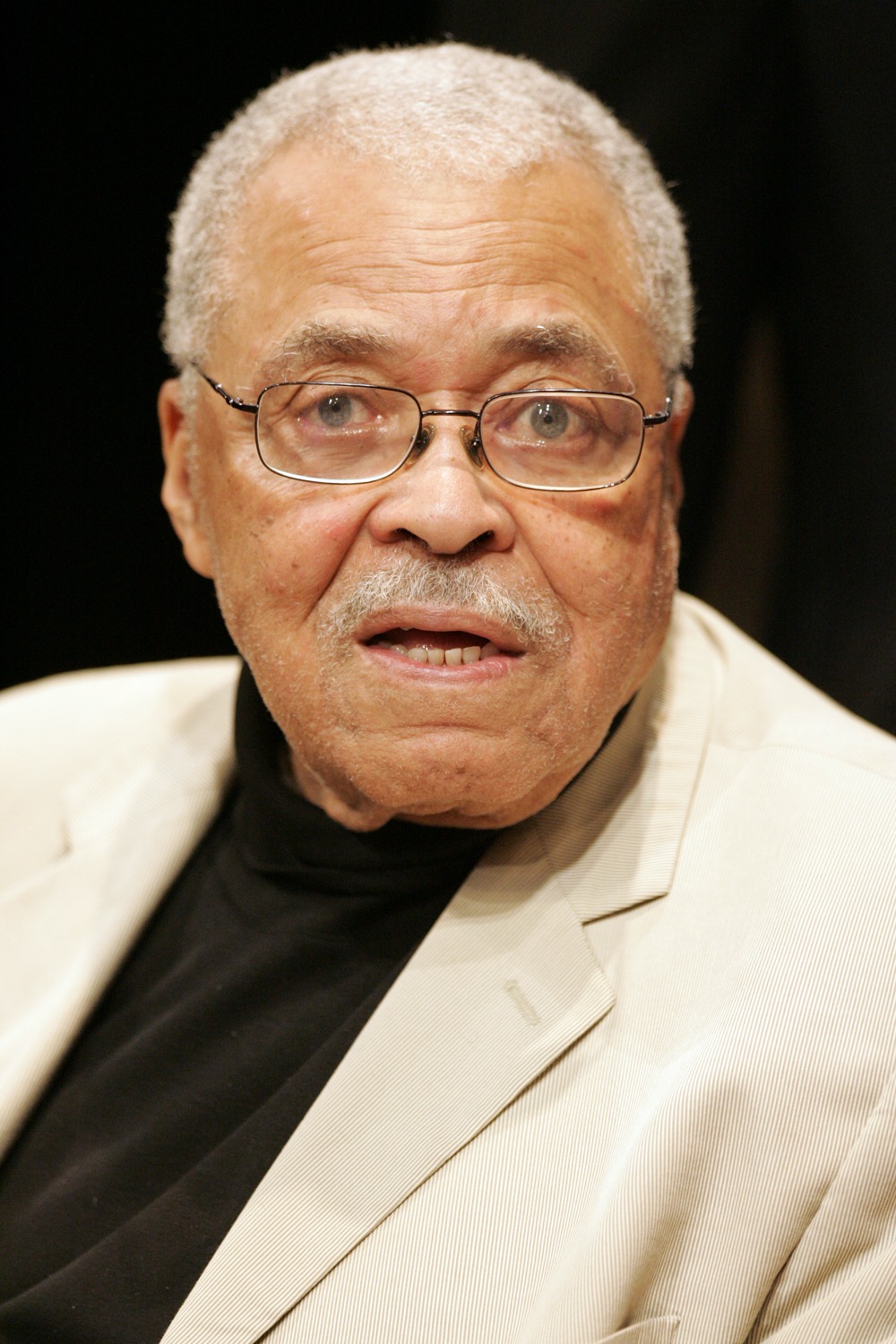
James Earl Jones, born on January 17, 1931, in Arkabutla, Mississippi, is one of the most respected and versatile actors of his generation. His deep, resonant voice has become iconic in American culture, most famously as the voice of Darth Vader in the Star Wars saga. But Jones’s career is far more than just his voice work; it’s a testament to his incredible talent, perseverance, and dedication to his craft.
Early Life and Overcoming Challenges
James Earl Jones’s early life was marked by significant challenges. Born to actor Robert Earl Jones and teacher Ruth Conolly, he was primarily raised by his maternal grandparents in Michigan after his parents separated. His childhood was difficult, particularly due to a severe stutter that left him nearly mute for eight years. This condition, which began around the age of five, made communication a struggle and caused Jones to withdraw socially. However, his life took a significant turn when a high school teacher, Donald Crouch, recognized his potential and encouraged him to overcome his speech impediment through poetry and public speaking. This guidance helped him not only conquer his stutter but also discover his passion for acting.
Education and Early Career
Jones initially pursued a career in medicine and enrolled at the University of Michigan. However, his interest shifted towards acting, leading him to join the Reserve Officers’ Training Corps (ROTC) and later the University of Michigan’s School of Music, Theatre & Dance. After graduating in 1955, he briefly considered joining the military before deciding to focus on acting. Jones’s first significant theatrical role was in the Ramsdell Theatre in Manistee, Michigan, where he performed in Shakespeare’s Othello. This experience solidified his passion for the stage.
Breakthrough in Theater and Film
James Earl Jones’s talent quickly gained recognition in the theater world. In the 1960s, he became a prominent figure in American theater, earning widespread acclaim for his performances. His breakthrough came in 1969 with his role in the play The Great White Hope, where he portrayed the character of Jack Jefferson, a role based on the life of the first African-American heavyweight boxing champion, Jack Johnson. This performance earned him a Tony Award and later an Academy Award nomination when the play was adapted into a film.
Jones’s film career also took off during this period. He made his film debut in Stanley Kubrick’s Dr. Strangelove or: How I Learned to Stop Worrying and Love the Bomb (1964), where he played a supporting role. However, it was his performance in The Great White Hope (1970) that truly established him as a film actor of note. Over the next few years, Jones continued to build a successful career in both theater and film, starring in notable productions such as Claudine (1974) and The River Niger (1976).
The Voice of a Generation
While James Earl Jones was already an accomplished actor, it was his work as a voice actor that would make him a cultural icon. In 1977, he was cast as the voice of Darth Vader in George Lucas’s Star Wars. His deep, authoritative voice brought the character to life and became one of the most recognizable and revered voices in film history. Despite his initial reluctance to take on a voice-only role, Jones’s portrayal of Darth Vader became legendary, earning him a place in cinematic history.
Jones’s voice work did not stop with Star Wars. In 1994, he lent his voice to another iconic character, Mufasa, in Disney’s The Lion King. His performance as the wise and noble lion king was critically acclaimed and beloved by audiences worldwide. The role further cemented his status as one of the greatest voice actors of all time.
Continued Success in Film and Theater
Throughout the 1980s and 1990s, James Earl Jones continued to work prolifically in both film and theater. He starred in films such as Conan the Barbarian (1982), Coming to America (1988), and Field of Dreams (1989). His performances were marked by their intensity, gravitas, and depth, earning him critical acclaim and a dedicated fanbase.
In addition to his film work, Jones remained active in the theater. He won his second Tony Award for his performance in August Wilson’s play Fences in 1987. His ability to move seamlessly between stage and screen roles demonstrated his versatility and range as an actor.
Later Career and Accolades
As he entered the 2000s, James Earl Jones continued to receive accolades for his work. In 2008, he returned to Broadway to star in an all-African-American production of Tennessee Williams’s Cat on a Hot Tin Roof. The following year, he appeared alongside Vanessa Redgrave in a London production of Driving Miss Daisy, which later transferred to Broadway. His performance earned him widespread acclaim and reaffirmed his status as one of the greatest living actors.
In 2011, Jones received an Honorary Academy Award for his lifetime of work in film. This prestigious award recognized his immense contributions to the industry and his impact on generations of actors and audiences.
Jones continued to take on new challenges well into his eighties, including reprising his role as Mufasa in the 2019 remake of The Lion King. His enduring presence in the industry is a testament to his talent, resilience, and passion for acting.
The Legacy of James Earl Jones
James Earl Jones’s legacy extends far beyond his individual performances. He has become a symbol of perseverance, having overcome significant personal challenges to achieve success in his career. His work has inspired countless actors, particularly African-American performers, and his contributions to the arts have left an indelible mark on American culture.
Jones’s distinctive voice has made him a beloved figure in popular culture, and his performances have brought to life some of the most memorable characters in film and theater. From Darth Vader to Mufasa, his roles have had a lasting impact on audiences around the world.
Moreover, Jones’s commitment to his craft and his ability to imbue each role with depth and humanity have made him one of the most respected actors of his time. His career serves as a reminder of the power of art to transcend boundaries and connect people across generations.
Conclusion
James Earl Jones’s life and career are a testament to the power of talent, determination, and resilience. From his early struggles with a speech impediment to becoming one of the most recognizable voices in the world, Jones has overcome numerous obstacles to achieve greatness. His contributions to film, theater, and voice acting have made him a true legend in the entertainment industry.
As audiences continue to enjoy his work, whether through classic films like Star Wars and The Lion King or his powerful stage performances, James Earl Jones’s influence will undoubtedly endure for generations to come. His story is not just one of fame and success but also of overcoming adversity and leaving a lasting legacy in the world of entertainment.


