
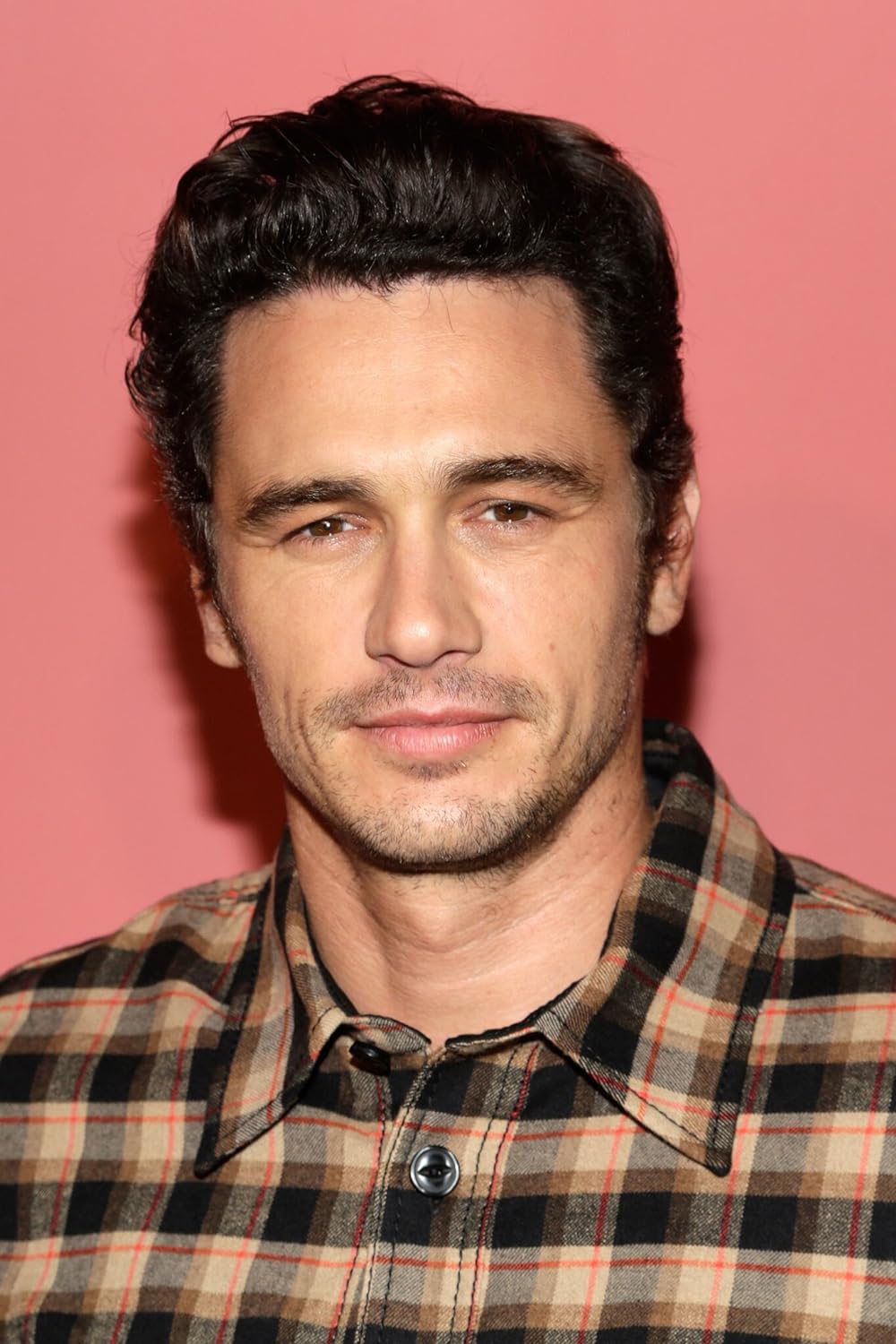
James Franco, a multifaceted artist, actor, director, and writer, has carved out a unique place in the entertainment industry with his eclectic career and dynamic personality. Born on April 19, 1978, in Palo Alto, California, James Edward Franco’s life is a tapestry woven with creativity, controversy, and relentless ambition. This article explores the life, career, and impact of James Franco, offering detailed insights into his journey from a young actor in California to a globally recognized figure in Hollywood.
Early Life and Background
James Franco was born into a family with diverse European roots—his father had Italian, Portuguese, and Swedish ancestry, while his mother brought Russian Jewish heritage into the mix. Growing up in Palo Alto, Franco was the oldest of three brothers, all of whom would eventually find their own paths in the arts. Despite a somewhat conventional suburban upbringing, Franco’s early life hinted at the complexity and drive that would later define his career.
Franco attended Palo Alto High School, where he developed a passion for acting and writing. However, his academic inclinations led him initially to the University of California, Los Angeles (UCLA), where he majored in English. His time at UCLA was short-lived, as Franco decided to drop out after his first year to pursue acting full-time. This decision marked the beginning of a career that would be anything but ordinary.
The Road to Fame: Early Career and Breakthrough
James Franco’s foray into acting began with small roles in television and film. His first notable appearance was in the television series “Pacific Blue,” but it was his role in the cult TV show “Freaks and Geeks” that garnered him significant attention. Although the show was canceled after just one season, it has since gained a cult following, and Franco’s portrayal of the troubled yet charismatic Daniel Desario remains one of his most beloved roles.
Franco’s breakthrough came in 2001 when he was cast as James Dean in the made-for-TV biopic of the same name. His uncanny resemblance to the legendary actor, combined with a deeply committed performance, earned him critical acclaim and a Golden Globe Award for Best Actor. This role not only solidified Franco’s status as a rising star but also established his ability to tackle complex and iconic characters.
The Spider-Man Era: Global Recognition
The early 2000s marked a significant turning point in Franco’s career with his role as Harry Osborn in Sam Raimi’s “Spider-Man” trilogy. Starring alongside Tobey Maguire, Franco’s portrayal of Peter Parker’s best friend-turned-nemesis brought him international fame. The trilogy was a commercial success and remains one of the most iconic superhero franchises of the time, with Franco’s character arc being a central element of the story.
The success of “Spider-Man” opened numerous doors for Franco, allowing him to take on a variety of roles that showcased his versatility as an actor. He starred in films like “City by the Sea” alongside Robert De Niro and “The Company” directed by Robert Altman, further establishing himself as a serious actor with a diverse range.
Expanding Horizons: Directing, Writing, and Academia
While many actors might have been content to ride the wave of blockbuster success, James Franco was driven by a desire to explore different facets of his creativity. In 2005, he made his directorial debut with “Fool’s Gold” and “The Ape,” both of which he also wrote. These early forays into filmmaking were just the beginning of Franco’s journey as a director and writer, fields in which he would continue to experiment and push boundaries.
Franco’s academic pursuits also set him apart from his Hollywood peers. Despite leaving UCLA to pursue acting, he returned to academia later in his career, earning a degree in English from UCLA and going on to study filmmaking at New York University’s Tisch School of the Arts. Franco’s thirst for knowledge didn’t stop there; he pursued a Master of Fine Arts degree in writing from Columbia University and even enrolled in a Ph.D. program in English at Yale University. His commitment to education was often seen as unconventional for a Hollywood star, further adding to his enigmatic persona.
The 2010s: A Decade of Success and Controversy
The 2010s were a decade of significant highs and lows for James Franco. His role in “127 Hours” (2010), directed by Danny Boyle, was a career-defining moment. Franco played Aron Ralston, a mountaineer trapped in a canyon, in a harrowing performance that earned him nominations for an Academy Award, Golden Globe, and BAFTA. The film was both a critical and commercial success, solidifying Franco’s reputation as one of the most talented actors of his generation.
Around this time, Franco also began to embrace his love for literature and poetry. He published a collection of poetry titled “Directing Herbert White” in 2014, showcasing another dimension of his artistic expression. His involvement in the arts extended beyond acting and writing; he also ventured into painting, with his work being exhibited in galleries around the world.
However, Franco’s career was not without controversy. In 2018, multiple women accused him of sexual misconduct, allegations that Franco has denied. The accusations, which arose during the height of the #MeToo movement, led to a significant backlash, with some questioning the actor’s future in Hollywood. In 2021, Franco settled a lawsuit related to these allegations, agreeing to pay $2.2 million to resolve the claims. This chapter of his life remains a complex and contested aspect of his legacy, reflecting the broader challenges and conversations around power and accountability in the entertainment industry.
Artistic Evolution: “The Disaster Artist” and Beyond
Despite the controversies, Franco continued to create and innovate. In 2017, he directed and starred in “The Disaster Artist,” a film based on the making of the cult classic “The Room.” Franco’s portrayal of Tommy Wiseau, the eccentric director of “The Room,” was widely praised, earning him a Golden Globe Award for Best Actor in a Musical or Comedy. The film itself was a critical success, with many seeing it as a testament to Franco’s ability to blend humor, pathos, and a deep understanding of the filmmaking process.
“The Disaster Artist” marked a high point in Franco’s career, demonstrating his ability to both honor and parody the art of filmmaking. It also showcased his talent for bringing unconventional stories to the mainstream, a theme that has been present throughout his career.
The Impact of James Franco: A Multifaceted Legacy
James Franco’s impact on Hollywood and the broader cultural landscape is multifaceted. As an actor, he has taken on roles that range from iconic to obscure, often choosing projects that challenge both himself and his audience. His performances in films like “127 Hours,” “Pineapple Express,” and “The Disaster Artist” have left a lasting impression, showcasing his ability to navigate different genres with ease.
As a director and writer, Franco has explored themes that are often overlooked in mainstream cinema. His work behind the camera is characterized by a willingness to experiment, whether through low-budget indie films or more ambitious projects. Franco’s literary pursuits further distinguish him from his peers, with his poetry and essays adding another layer to his creative output.
Franco’s commitment to education and academia also sets him apart in the entertainment industry. His pursuit of higher education, despite his successful acting career, reflects a deep intellectual curiosity and a desire to continually grow as an artist and thinker. This commitment is evident in his various teaching roles, including at institutions like New York University and the University of Southern California, where he has taught film and writing courses.
However, Franco’s legacy is also marked by controversy. The sexual misconduct allegations against him have sparked ongoing debates about his place in Hollywood and the responsibilities of public figures. While Franco has continued to work in the industry, these allegations have undoubtedly affected his public image and the way he is perceived by both fans and critics.
The Future: What’s Next for James Franco?
As of the 2020s, James Franco remains an enigmatic figure in the entertainment industry. He has continued to explore new ventures, including co-founding the fashion brand Paly Hollywood, which focuses on streetwear with a distinctive identity. His involvement in the fashion industry reflects his ongoing interest in pushing creative boundaries and exploring new mediums.
Franco’s personal life has also evolved, with his relationship with actress and director Izabel Pakzad becoming a focal point of media attention. The couple, who have an 18-year age difference, have been together for several years, and Pakzad has supported Franco through various phases of his career.
Looking ahead, it remains to be seen how Franco will navigate the next chapter of his life and career. His ability to reinvent himself, coupled with his diverse talents, suggests that he will continue to be a significant presence in the cultural landscape. Whether through acting, directing, writing, or new creative endeavors, James Franco’s influence is likely to endure, even as he faces the challenges and complexities that come with being a public figure in the 21st century.
Conclusion
James Franco’s life and career are a testament to the power of creativity and the complexities of fame. From his early days in Palo Alto to his rise as a Hollywood star, Franco has consistently pushed the boundaries of what it means to be an artist. His work, whether on screen, behind the camera, or in the classroom, reflects a deep commitment to exploring the human experience in all its facets.
Yet, Franco’s legacy is also a reminder of the darker sides of fame and power. The controversies that have surrounded him in recent years serve as a cautionary tale about the responsibilities that come with public life and the importance of accountability.
As James Franco continues to evolve as an artist and individual, his story remains one of the most compelling and multifaceted in contemporary Hollywood. His journey, marked by both triumphs and tribulations, offers valuable insights into the nature of fame, creativity, and the enduring quest for meaning in an ever-changing world.


