
Introduction
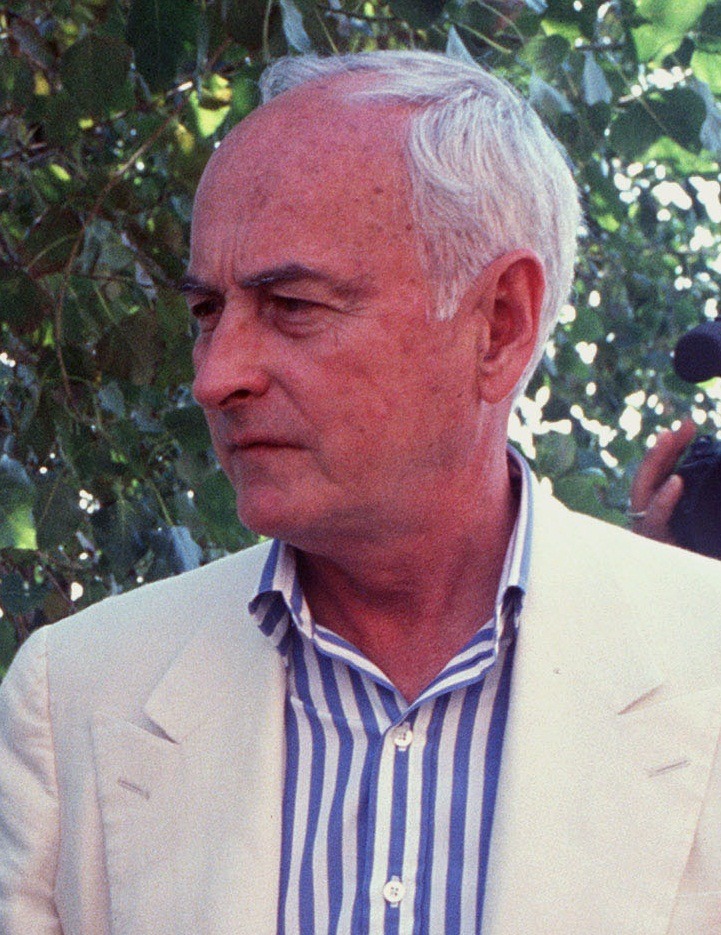
James Ivory is a name synonymous with the elegance and subtlety of the art of filmmaking. As a director, producer, and screenwriter, Ivory has left an indelible mark on the film industry, especially through his work with the renowned Merchant Ivory Productions. His films are celebrated for their literary adaptations, nuanced storytelling, and richly detailed period settings. Over the course of his career, Ivory has become one of the most respected and acclaimed filmmakers in the world. This article delves into the life of James Ivory, exploring his age, rise to fame, and the significant milestones that have defined his illustrious career.
Early Life and Background
Birth and Family
James Francis Ivory was born on June 7, 1928, in Berkeley, California. Growing up in the cultural and intellectual environment of Berkeley, Ivory was exposed to the arts from an early age. His father was a successful lumber businessman, which provided the family with a comfortable lifestyle and allowed Ivory to explore his burgeoning interest in film and art.
Education and Early Influences
Ivory’s education laid the foundation for his future career in filmmaking. He attended the University of Oregon, where he studied fine arts, graduating with a degree in architecture and fine arts in 1951. His interest in cinema was piqued during his time at university, where he developed a passion for storytelling through visual mediums. After completing his undergraduate studies, Ivory enrolled in the University of Southern California’s School of Cinematic Arts, where he produced a thesis film that received significant attention, marking the beginning of his journey in the film industry.
Ivory’s early influences were eclectic, drawing from European cinema, classical literature, and art history. He was particularly inspired by the works of Jean Renoir, Vittorio De Sica, and Satyajit Ray, filmmakers known for their ability to capture the nuances of human emotion and the complexities of social relationships.
Rise to Fame
Formation of Merchant Ivory Productions
James Ivory’s rise to fame is closely linked to the formation of Merchant Ivory Productions, a collaboration that would become legendary in the world of cinema. In 1961, Ivory partnered with Indian-born producer Ismail Merchant, and together they established Merchant Ivory Productions. Their collaboration was unique, blending Ivory’s directorial vision with Merchant’s production expertise and the screenwriting talent of Ruth Prawer Jhabvala. This triumvirate became one of the most successful and enduring partnerships in the history of independent cinema.
Early Films and Critical Acclaim
Merchant Ivory’s early films were marked by a strong focus on cross-cultural themes and literary adaptations. “The Householder” (1963), their first major film, was based on a novel by Jhabvala and set the tone for their future projects. It was followed by films like “Shakespeare Wallah” (1965) and “Heat and Dust” (1983), which further established Ivory’s reputation as a director with a keen eye for detail and a deep understanding of character development.
However, it was the 1985 film “A Room with a View” that catapulted Ivory to international fame. Based on the novel by E.M. Forster, the film was a critical and commercial success, earning eight Academy Award nominations and winning three. Ivory’s direction was praised for its ability to capture the subtleties of the Edwardian era and the complex emotions of the characters. The film’s success was a turning point in Ivory’s career, leading to a series of acclaimed literary adaptations.
Peak of Fame: The Merchant Ivory Legacy
Success with Literary Adaptations
James Ivory’s fame peaked during the late 1980s and 1990s, a period when Merchant Ivory Productions released some of its most celebrated films. Following the success of “A Room with a View,” Ivory directed “Maurice” (1987), another adaptation of an E.M. Forster novel. The film, which dealt with themes of homosexuality and social class in early 20th-century England, was groundbreaking for its time and received widespread acclaim.
In 1992, Ivory directed “Howards End,” a film that many consider his masterpiece. Once again based on a novel by E.M. Forster, “Howards End” was a critical and commercial triumph, winning three Academy Awards, including Best Actress for Emma Thompson. The film is lauded for its intricate portrayal of class divisions, its rich visual style, and its faithful yet inventive adaptation of Forster’s novel.
The success continued with “The Remains of the Day” (1993), an adaptation of Kazuo Ishiguro’s novel. The film, starring Anthony Hopkins and Emma Thompson, received eight Academy Award nominations and is regarded as one of the finest films of the 1990s. Ivory’s direction was praised for its restraint, subtlety, and ability to convey deep emotional undercurrents through understated performances and meticulous attention to period detail.
Cultural Impact and Lasting Influence
James Ivory’s films have had a profound cultural impact, particularly in the way they have shaped the genre of literary adaptations. His work is characterized by a deep respect for the source material, combined with a visual style that brings out the thematic and emotional richness of the novels he adapts. Ivory’s films are known for their elegant cinematography, careful attention to period detail, and strong performances, often from ensemble casts.
The influence of Merchant Ivory Productions extends beyond the films themselves. The partnership between Ivory, Merchant, and Jhabvala set a new standard for independent cinema, showing that it was possible to achieve both critical and commercial success outside the Hollywood studio system. Their films have inspired countless filmmakers and continue to be studied and admired for their artistic achievements.
Personal Life
Relationships and Collaboration with Ismail Merchant
James Ivory’s personal and professional life was deeply intertwined with that of Ismail Merchant. The two men shared not only a creative partnership but also a deep personal bond. Their collaboration was based on mutual respect and a shared vision for what cinema could achieve. Although they were often seen as polar opposites—Ivory the reserved, introspective director, and Merchant the energetic, outgoing producer—their differences complemented each other, leading to one of the most successful partnerships in film history.
Challenges and Triumphs
Throughout his career, James Ivory faced numerous challenges, from the difficulties of working with tight budgets in independent cinema to the pressures of adapting beloved literary works. However, his perseverance and dedication to his craft have been key to his enduring success. Despite the loss of Ismail Merchant in 2005, Ivory continued to work in film, proving his resilience and commitment to the art of filmmaking.
Recent Years and Legacy
Later Work and Continued Influence
In the years following Merchant’s death, James Ivory continued to contribute to cinema, albeit at a slower pace. One of his most notable achievements in recent years was his work on the screenplay for the film “Call Me by Your Name” (2017), directed by Luca Guadagnino. The film, an adaptation of André Aciman’s novel, was a critical and commercial success, earning Ivory an Academy Award for Best Adapted Screenplay at the age of 89. This achievement made him the oldest person to win an Academy Award in a competitive category, further cementing his legacy in the film industry.
The Enduring Legacy of Merchant Ivory
The legacy of Merchant Ivory Productions is one of enduring influence and inspiration. The films they produced together continue to be celebrated for their artistry, emotional depth, and timeless appeal. Ivory’s work has left a lasting mark on the film industry, particularly in the realm of literary adaptations, where his influence can be seen in the work of countless directors who have followed in his footsteps.
Future Prospects and Recognition
As James Ivory approaches his mid-nineties, his contributions to cinema are more widely recognized than ever. His work is studied in film schools around the world, and retrospectives of his films are regularly held at film festivals and cultural institutions. Ivory’s influence extends beyond his own films, as he continues to inspire new generations of filmmakers with his dedication to storytelling, his attention to detail, and his commitment to preserving the integrity of the source material.
Conclusion
Summary of Achievements
James Ivory’s career is a testament to the power of collaboration, the importance of literary adaptation in cinema, and the enduring appeal of well-crafted storytelling. Over the course of six decades, Ivory has directed, produced, and written some of the most acclaimed films in the history of cinema. His work with Merchant Ivory Productions has left an indelible mark on the film industry, influencing the way films are made and appreciated around the world.
Future Prospects and Ongoing Influence
Looking forward, James Ivory’s influence on cinema shows no signs of waning. His films continue to be rediscovered by new audiences, and his work as a screenwriter and director remains a touchstone for those who seek to explore the intersections of literature and film. As the oldest Academy Award winner in history, Ivory’s legacy is not just one of past achievements but of a continuing impact on the world of cinema.
SEO Considerations
Keyword Density
To optimize this article for search engines, it’s important to incorporate relevant keywords throughout the text. Keywords such as “James Ivory biography,” “James Ivory age,” “Merchant Ivory films,” “James Ivory literary adaptations,” and “James Ivory film career” should be strategically placed to ensure the content ranks well in search engine results.
Search Intent Keywords
Include search intent keywords that align with what users might be searching for, such as “Who is James Ivory,” “James Ivory filmography,” “James Ivory awards,” “Merchant Ivory legacy,” and “James Ivory and Ismail Merchant.” These keywords help in attracting readers who are specifically interested in learning more about Ivory’s personal and professional life.
Google Indexing
To ensure the article is easily indexed by Google, it’s crucial to use proper headings (H1, H2, H3) and subheadings that reflect the structure of the content. This organization helps search engines understand the article’s hierarchy and improves its chances of appearing in relevant search queries.
By crafting a comprehensive and SEO-optimized article on James Ivory, we aim to provide readers with an in-depth understanding of his life, career, and ongoing influence, while also adhering to best practices for search engine optimization.


