
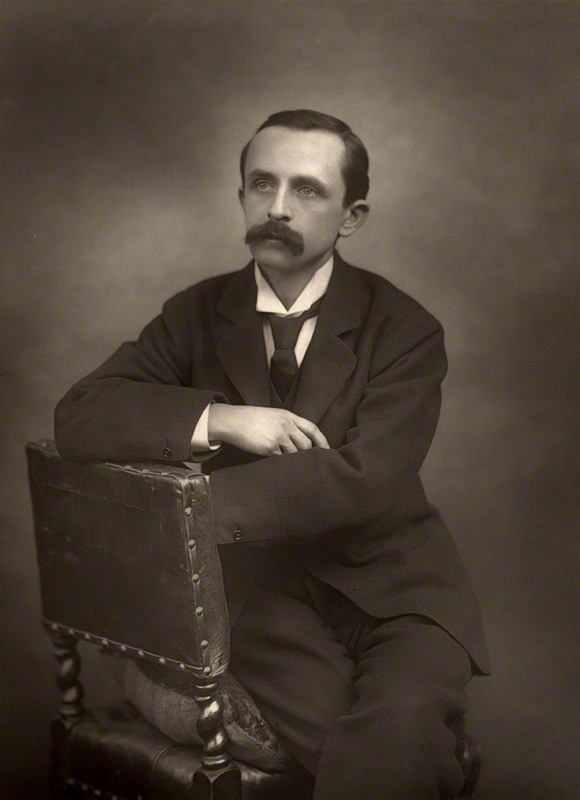
James Matthew Barrie, more commonly known as J.M. Barrie, was born on May 9, 1860, in Kirriemuir, Scotland. He is best known for creating Peter Pan, one of the most beloved characters in children’s literature. Barrie’s work has had a profound impact on popular culture, and his legacy continues to influence writers and audiences worldwide. This comprehensive exploration of his life delves into his age, rise to fame, and key life highlights, providing detailed insights into his literary contributions and personal milestones.
Early Life and Education
J.M. Barrie was born into a large Scottish family, the ninth of ten children. His father, David Barrie, was a weaver, and his mother, Margaret Ogilvy, was a dedicated homemaker. Barrie’s early years were marked by both familial warmth and tragedy. The death of his older brother David at a young age profoundly affected Barrie and his mother, casting a long shadow over his childhood.
Barrie’s early education took place at the Glasgow Academy and later at the Dumfries Academy, where he developed a love for literature and storytelling. He went on to study at the University of Edinburgh, graduating with an M.A. in 1882. During his time at university, Barrie became deeply involved in the literary and theatrical scene, writing and producing several plays and short stories.
Literary Beginnings
After completing his studies, Barrie moved to London to pursue a career in writing. He initially worked as a journalist, contributing to various newspapers and magazines. His early works included a series of sketches about life in a small Scottish town, published under the title “Auld Licht Idylls” in 1888. These stories, inspired by his upbringing in Kirriemuir, were well-received and established Barrie as a promising new voice in literature.
In 1891, Barrie published “The Little Minister,” a novel that further cemented his reputation as a talented writer. The book’s success led to its adaptation for the stage, marking Barrie’s first significant foray into playwriting. Over the next few years, Barrie continued to write novels and plays, developing a distinctive style characterized by whimsy, humor, and a deep understanding of human nature.
Creation of Peter Pan
The creation of Peter Pan is perhaps Barrie’s most significant and enduring achievement. The character first appeared in Barrie’s 1902 novel “The Little White Bird,” in a section titled “Peter Pan in Kensington Gardens.” The story of the boy who wouldn’t grow up captured the imagination of readers and laid the groundwork for Barrie’s 1904 play, “Peter Pan, or The Boy Who Wouldn’t Grow Up.”
The play was an instant success, captivating audiences with its magical portrayal of Neverland, a place where children could fly and have adventures without the constraints of adulthood. The character of Peter Pan, along with other iconic figures such as Wendy Darling, Tinker Bell, and Captain Hook, quickly became cultural icons. The play’s popularity led to numerous adaptations, including films, television series, and stage productions, ensuring that Peter Pan would remain a beloved character for generations to come.
Rise to Fame
The success of “Peter Pan” catapulted J.M. Barrie to international fame. He became one of the most celebrated playwrights and authors of his time, admired for his creativity and storytelling prowess. Barrie’s ability to blend fantasy with reality resonated with audiences of all ages, making his work timeless.
In addition to “Peter Pan,” Barrie wrote several other successful plays, including “Quality Street” (1901), “The Admirable Crichton” (1902), and “What Every Woman Knows” (1908). His works often explored themes of social class, identity, and the complexities of human relationships, reflecting his keen insight into the human condition.
Personal Life and Relationships
Barrie’s personal life was as complex and fascinating as his literary creations. He married actress Mary Ansell in 1894, but the marriage was not a happy one, and the couple eventually divorced in 1909. Despite his personal struggles, Barrie maintained close friendships with many prominent figures of his time, including author Arthur Conan Doyle and poet Robert Louis Stevenson.
One of the most significant relationships in Barrie’s life was his friendship with the Llewelyn Davies family. Barrie became a surrogate father to the five Llewelyn Davies boys, who inspired the characters of Peter Pan and the Lost Boys. This relationship deeply influenced Barrie’s work and provided him with a sense of family and belonging that he craved.
Influence and Legacy
J.M. Barrie’s influence on literature and popular culture is profound. The character of Peter Pan has become a symbol of eternal childhood and the magic of imagination. Barrie’s ability to create worlds where fantasy and reality intertwine has inspired countless writers, filmmakers, and artists.
Barrie’s legacy extends beyond his literary achievements. In 1929, he gifted the rights to Peter Pan to Great Ormond Street Hospital, ensuring that the proceeds from his most famous work would benefit children in need. This act of generosity has had a lasting impact, providing vital support to the hospital for many years.
Historical Context and Impact
To fully appreciate J.M. Barrie’s contributions, it is essential to understand the historical context of his work. The late 19th and early 20th centuries were a time of significant social and cultural change. The rise of industrialization, the shift from Victorian to Edwardian values, and the impact of World War I all influenced the themes and styles of contemporary literature.
Barrie’s work reflects the tensions and aspirations of his time. His exploration of themes such as childhood innocence, the loss of youth, and the desire for escapism resonated with audiences who were grappling with the uncertainties of a rapidly changing world. The enduring appeal of Peter Pan and Barrie’s other works speaks to their ability to capture universal human experiences and emotions.
Challenges and Resilience
Despite his successes, Barrie faced numerous challenges throughout his life. His early years were marked by personal tragedy, and his adult life was fraught with personal and professional struggles. The death of his older brother and the subsequent impact on his mother left a lasting impression on Barrie, shaping his outlook on life and his creative work.
Barrie’s resilience in the face of adversity is evident in his prolific output and his ability to adapt to changing circumstances. His commitment to his craft and his determination to create stories that resonated with audiences allowed him to overcome personal and professional obstacles and achieve lasting success.
Later Years and Death
In his later years, Barrie continued to write and remained active in the literary and theatrical communities. He received numerous honors and accolades, including being made a baronet in 1913 and being appointed to the Order of Merit in 1922. Barrie’s contributions to literature and the arts were widely recognized, and he enjoyed a position of great respect and admiration among his peers.
J.M. Barrie passed away on June 19, 1937, at the age of 77. His death marked the end of an era, but his legacy lived on through his works and the lasting impact he had on literature and popular culture. Barrie’s ability to capture the magic and wonder of childhood in his stories has ensured that his name and his creations continue to be celebrated and cherished by readers and audiences around the world.
Conclusion
James Matthew Barrie’s life and career are a testament to the enduring power of imagination and storytelling. From his early years in Scotland to his rise to fame as the creator of Peter Pan, Barrie’s work has had a lasting impact on literature and popular culture. His ability to blend fantasy with reality and create characters and stories that resonate with audiences of all ages has made him one of the most beloved and influential writers of his time.
Barrie’s legacy is characterized by his creativity, resilience, and generosity. His contributions to literature and the arts continue to inspire and captivate new generations, ensuring that the magic of Peter Pan and Neverland will endure for years to come. As we reflect on Barrie’s life and achievements, we are reminded of the power of storytelling to transcend time and space, connecting us to the universal experiences of wonder, adventure, and the joy of imagination.


