
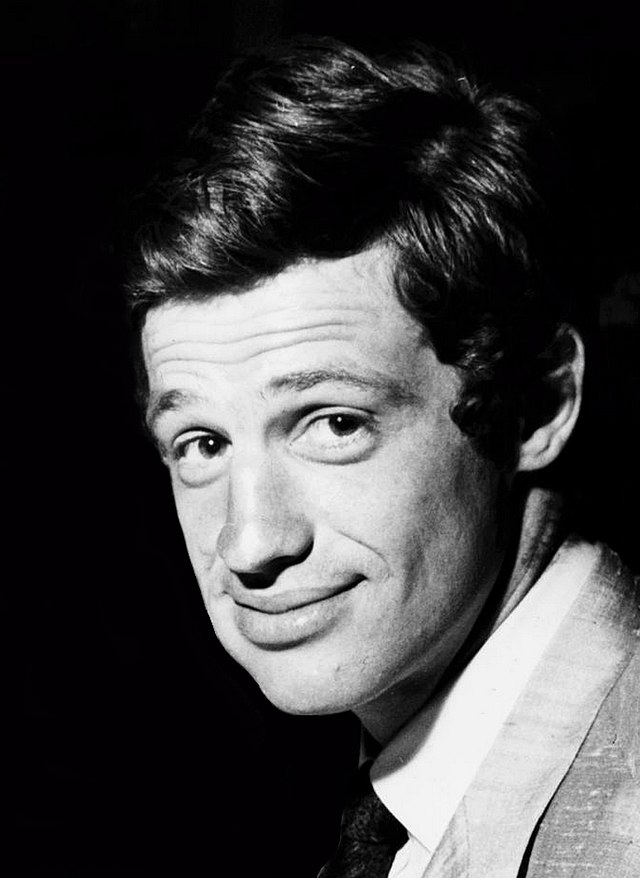
Jean-Paul Belmondo, born on April 9, 1933, in Neuilly-sur-Seine, France, was a legendary French actor whose career spanned six decades. Known for his charisma, versatility, and remarkable screen presence, Belmondo became a prominent figure in both French and international cinema. This article delves into his life, career achievements, personal milestones, and his lasting impact on the film industry.
Early Life and Background
Jean-Paul Belmondo was born to Paul Belmondo, a renowned sculptor of Italian descent, and Sarah Rainaud-Richard, a painter. Growing up in an artistic household, Belmondo was exposed to the arts from a young age. Despite this, his early interests leaned towards sports, particularly boxing. He even pursued a brief amateur boxing career before turning his focus to acting.
Belmondo enrolled at the Conservatoire National Supérieur d’Art Dramatique in Paris, where he studied under the tutelage of prominent actors and directors. His early performances in plays like Molière’s “The Miser” and Rostand’s “Cyrano de Bergerac” showcased his talent and paved the way for his entry into the world of cinema.
Breakthrough in Cinema
Early Roles and Initial Success
Belmondo made his film debut in 1956 with a role in the short film “Molière” by Norbert Tidian. However, his breakthrough came in 1960 with Jean-Luc Godard’s “À bout de souffle” (“Breathless”). This film, a cornerstone of the French New Wave movement, catapulted Belmondo to international stardom. His portrayal of Michel Poiccard, a charming and rebellious criminal, resonated with audiences and critics alike, establishing him as a leading actor of his generation.
Collaboration with Renowned Directors
Following the success of “À bout de souffle,” Belmondo collaborated with several acclaimed directors, further solidifying his reputation. He worked with Claude Chabrol on “À double tour” (1959) and Vittorio De Sica on “La ciociara” (1960), the latter starring Sophia Loren and earning significant acclaim. His performance in these films showcased his versatility, adeptly transitioning between different genres and character types.
Icon of the Nouvelle Vague
Belmondo became a prominent figure in the French New Wave, working with directors like François Truffaut, Claude Sautet, and Jean-Pierre Melville. His roles in films such as “Léon Morin, Priest” (1961) and “Le Doulos” (1962) demonstrated his ability to embody complex characters with depth and nuance. His collaboration with Melville in particular highlighted his skills as a dramatic actor, capable of delivering intense and emotionally charged performances.
Commercial Success and Popularity
Transition to Mainstream Cinema
In the mid-1960s, Belmondo began to transition towards more commercial films, balancing his career between art-house projects and mainstream cinema. This strategic move expanded his appeal, making him a beloved figure across different audience demographics. Films like “Pierrot le Fou” (1965) and “The Thief of Paris” (1967) showcased his versatility and solidified his status as a box-office draw.
Action and Adventure Roles
Belmondo’s athleticism and willingness to perform his own stunts made him a natural fit for action and adventure films. He starred in numerous high-energy movies, including “The Man from Rio” (1964) and “Cartouche” (1962). His roles in these films highlighted his physical prowess and charismatic screen presence, earning him a reputation as a daring and dynamic actor.
Challenges and Resurgence
Health Struggles and Career Decline
In the 1980s, Belmondo’s career experienced a decline, with several films failing to achieve commercial or critical success. Despite this, he continued to work steadily, appearing in a mix of comedies, dramas, and action films. However, a significant setback occurred in 2001 when Belmondo suffered a stroke, leading to a temporary hiatus from acting.
Triumphant Return
Belmondo made a triumphant return to the screen in 2008 with the film “A Man and His Dog” (2008), a French remake of Vittorio De Sica’s “Umberto D.” His performance was well-received, marking a successful comeback and reaffirming his enduring talent and resilience.
Personal Life and Legacy
Relationships and Family
Belmondo’s personal life was marked by several high-profile relationships and marriages. He was married to Elodie Constantin from 1953 to 1966, with whom he had three children: Patricia, Florence, and Paul. Patricia tragically passed away in a fire in 1994. Belmondo later married Natty Tardivel in 2002, and they had a daughter named Stella. Despite his fame and success, Belmondo remained a devoted family man, often prioritizing his personal life alongside his career.
Honors and Awards
Belmondo received numerous accolades throughout his career, including the prestigious César Award for Best Actor in 1989 for his role in Claude Lelouch’s “Itinerary of a Spoiled Child.” In recognition of his contributions to cinema, he was awarded the Palme d’Or at the Cannes Film Festival in 2011 and the Golden Lion for Lifetime Achievement at the Venice Film Festival in 2016.
Cultural Impact
Jean-Paul Belmondo’s impact on cinema extends beyond his individual performances. He played a pivotal role in the French New Wave, a movement that revolutionized filmmaking with its innovative techniques and narrative styles. His collaborations with iconic directors and his ability to seamlessly transition between genres have left an indelible mark on the film industry.
Later Years and Passing
Belmondo continued to be an active presence in the film industry well into his later years. His legacy was celebrated through retrospectives and tributes, underscoring his enduring influence on both French and global cinema. Jean-Paul Belmondo passed away on September 6, 2021, in Paris, at the age of 88. His death marked the end of an era, but his contributions to film continue to inspire and entertain audiences worldwide.
Conclusion
Jean-Paul Belmondo’s life and career are a testament to his exceptional talent, versatility, and enduring appeal. From his early days in the French New Wave to his later roles in mainstream cinema, Belmondo captivated audiences with his charismatic performances and daring stunts. His ability to navigate different genres and work with esteemed directors solidified his place as one of the most influential actors of his time.
Belmondo’s legacy lives on through his extensive body of work, which continues to be celebrated by film enthusiasts and critics alike. His contributions to cinema have left an indelible mark, and his influence can be seen in the work of countless actors and filmmakers. Jean-Paul Belmondo remains a beloved figure in the history of film, remembered not only for his iconic roles but also for his passion, resilience, and dedication to his craft.


