
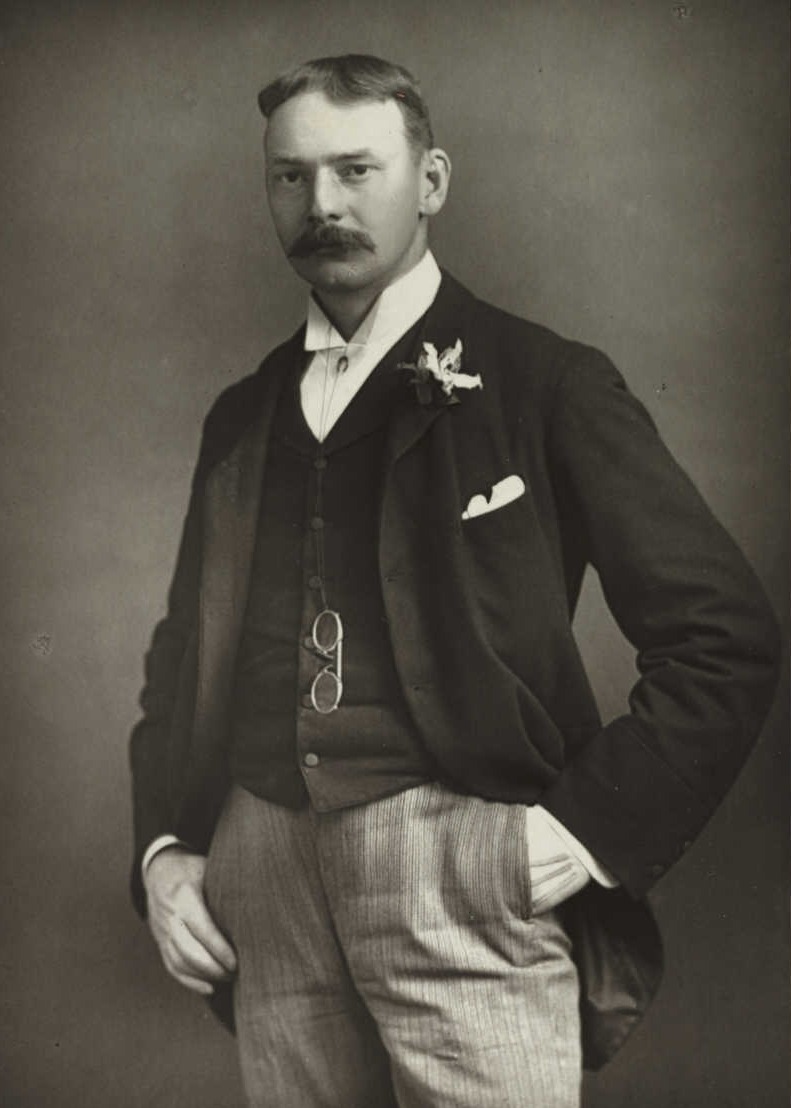
Jerome Klapka Jerome, born on May 2, 1859, in Walsall, England, is celebrated as one of the foremost English humorists of his time. His contributions to literature, particularly his classic work “Three Men in a Boat,” have left an indelible mark on the world of comedy and literature. This in-depth exploration covers Jerome’s early life, career highlights, notable works, and his enduring legacy.
Early Life and Background
Jerome Klapka Jerome was born into a challenging environment in Walsall, a town in the West Midlands of England. His father’s failed mining ventures led to financial instability, forcing the family to relocate to the less affluent East End of London. Jerome’s early experiences in this tough, gritty part of London had a profound impact on him, shaping his worldview and influencing his writing style.
The death of both his parents left Jerome in a precarious position. At the age of fourteen, he left school to work at various jobs, including as a railway clerk. His early work experiences were modest and often involved roles that did not align with his aspirations. Despite these challenges, Jerome pursued his passion for the arts, performing as an amateur actor and eventually joining a touring theater company.
Early Career and Literary Pursuits
Jerome’s early literary efforts were met with limited success. He experimented with various professions, including working as a secretary, solicitor, and even a seller of medical products, all while trying to make a name for himself as a writer. His initial works were not well received, but his determination did not wane.
In 1889, Jerome published “On and Off the Stage,” an autobiographical account of his experiences with theater companies. This was followed by “Idle Thoughts of an Idle Fellow” in 1886, a collection of humorous essays that marked the beginning of his reputation as a writer of wit and satire. However, it was his 1889 publication, “Three Men in a Boat,” that established him as a significant literary figure.
“Three Men in a Boat” and Its Impact
“Three Men in a Boat” is Jerome’s most famous work and remains a classic of English literature. The novel, which recounts the humorous adventures of three friends—Jerome himself, his friend George, and his cousin Harris—on a boating trip along the River Thames, is renowned for its blend of comedy, keen observations, and charmingly descriptive prose.
The book was an immediate success upon its release, selling millions of copies worldwide. Its popularity led to numerous adaptations, including stage plays, radio broadcasts, and television series. The novel’s enduring appeal lies in its universal humor and its ability to capture the quirks and follies of human nature with gentle satire.
The success of “Three Men in a Boat” cemented Jerome’s place in literary history and established him as a master of humorous writing. The novel’s success also allowed Jerome to explore other literary forms, including travel writing and journalism.
Career Highlights and Later Works
Following the success of “Three Men in a Boat,” Jerome continued to write and publish prolifically. His subsequent works include “Three Men on the Bummel” (1900), a sequel to “Three Men in a Boat,” and “The Diary of a Pilgrimage” (1906), a humorous account of a trip to Germany.
Jerome’s literary career was not limited to writing novels. He became an influential editor and journalist, contributing to various periodicals and magazines. In 1892, he became an associate editor of “The Idler,” a magazine known for its literary content and contributions from prominent figures such as Mark Twain and Arthur Conan Doyle.
His engagement with “The Idler” and other editorial projects showcased his versatility and broad interests. Jerome’s writings covered a wide range of topics, from travel and social commentary to humorous essays and short stories.
Personal Life and Public Engagements
Jerome’s personal life was marked by both triumphs and trials. He married his first wife, Harriet Martin, in 1888, but the marriage was short-lived, ending in divorce in 1895. He later married his second wife, Ellen, with whom he had two children.
Jerome was also an active public figure and pacifist. During World War I, he served as an ambulance driver for the Red Cross, reflecting his commitment to humanitarian causes. His experiences during the war influenced his writing and public discourse, and he continued to speak out on various social and political issues throughout his life.
Legacy and Final Years
Jerome Klapka Jerome’s contributions to literature and humor have left a lasting legacy. His works, particularly “Three Men in a Boat,” continue to be celebrated for their wit, charm, and insight into human nature. Jerome’s ability to blend humor with keen observations of everyday life has ensured that his writings remain relevant and enjoyable to readers across generations.
Jerome’s career also included his efforts as an editor and journalist, showcasing his diverse talents and interests. Despite facing various challenges throughout his life, including financial difficulties and personal setbacks, Jerome’s dedication to his craft and his enduring contributions to literature are widely recognized.
Jerome Klapka Jerome passed away on June 14, 1927, in Northampton, England, due to a stroke. His death marked the end of an era for English humor, but his legacy lives on through his timeless works and the continued appreciation of his unique style of comedy.
Conclusion
Jerome Klapka Jerome’s life and career offer a compelling narrative of perseverance, creativity, and wit. From his early struggles to his literary triumphs, Jerome’s journey reflects his passion for writing and his ability to connect with readers through humor. His most famous work, “Three Men in a Boat,” remains a testament to his skill as a writer and his understanding of the human condition. Jerome’s contributions to literature and humor continue to be celebrated, ensuring that his legacy endures for future generations.


