
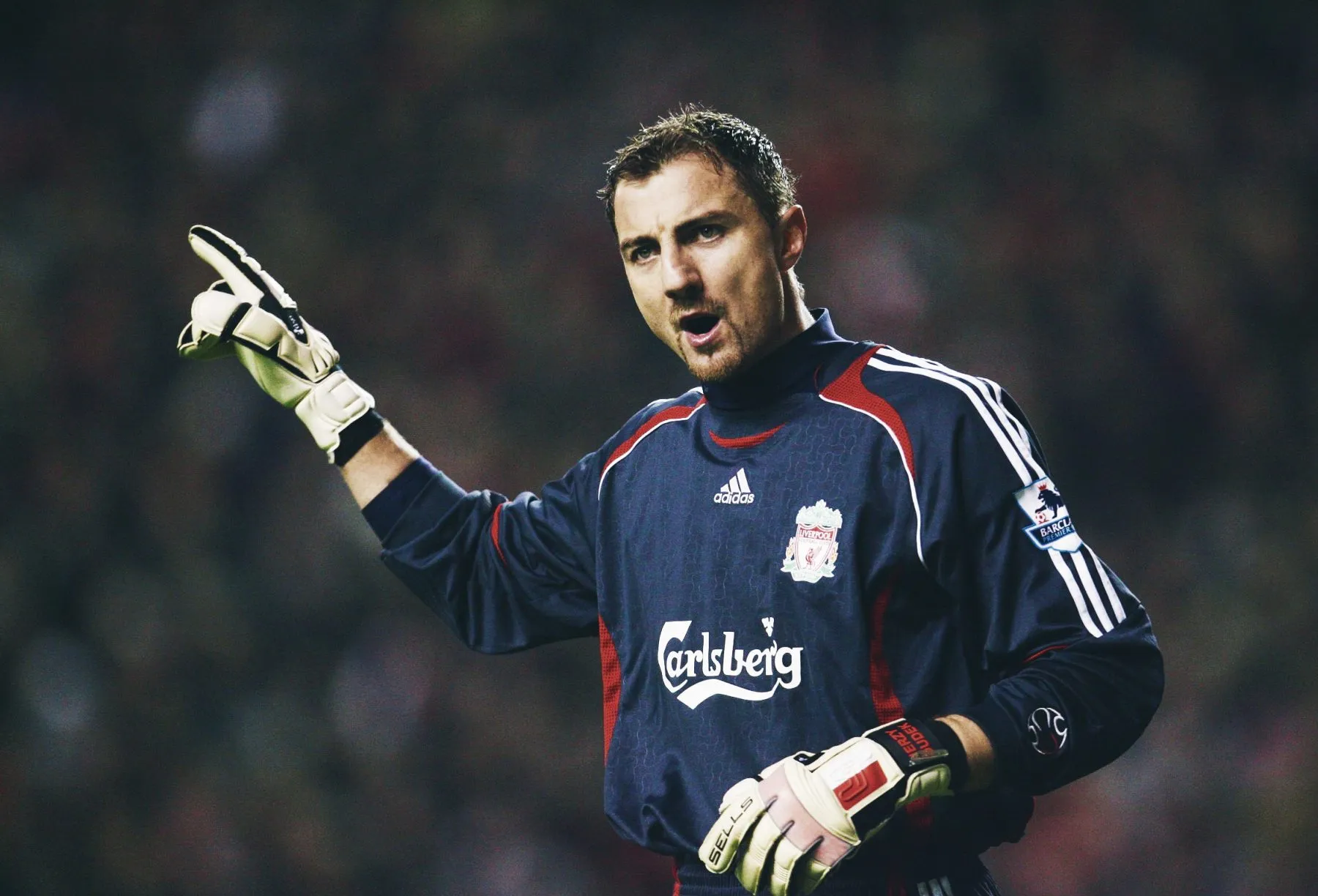
Jerzy Dudek, born on March 23, 1973, in Rybnik, Poland, is a former professional footballer whose name is etched in the annals of football history, particularly for his heroic performance in the 2005 UEFA Champions League final. A goalkeeper known for his agility, charisma, and unorthodox style, Dudek’s career spanned across several top leagues in Europe, earning him a reputation as one of the most memorable goalkeepers of his era.
Early Life and Career Beginnings
Jerzy Dudek’s journey to football stardom began in his hometown of Rybnik, a city in southern Poland. Growing up in a sports-loving family, Dudek developed an early passion for football. His natural talent between the posts was evident from a young age, and by the time he was a teenager, it was clear that he had the potential to become a professional footballer.
Dudek’s professional career started in the mid-1990s with Concordia Knurów, a modest Polish club where he honed his skills and gained valuable experience. His performances caught the attention of larger clubs, and soon after, he made a move to Sokol Tychy in 1995. It was here that Dudek’s abilities began to flourish, setting the stage for his move to a more competitive league.
Breakthrough at Feyenoord
In 1996, Dudek made a significant leap in his career by signing with Feyenoord, one of the top clubs in the Dutch Eredivisie. The move to Rotterdam marked the beginning of Dudek’s rise to international fame. At Feyenoord, Dudek quickly established himself as the first-choice goalkeeper, impressing fans and pundits alike with his reflexes, shot-stopping ability, and commanding presence in the penalty area.
During his time at Feyenoord, Dudek’s reputation grew. He was instrumental in helping the club secure several key victories and maintain a strong defensive record. His performances in the Eredivisie did not go unnoticed, and he was soon considered one of the best goalkeepers in the league. It was also during this period that Dudek became affectionately known as “Jurek” among fans and teammates, a testament to his popularity and the strong connection he built with the Feyenoord supporters.
Move to Liverpool and the Premier League
Dudek’s impressive form at Feyenoord eventually earned him a move to Liverpool in the English Premier League. On August 31, 2001, Dudek signed with Liverpool, a club with a rich history and a passionate fan base. He was brought in to replace Sander Westerveld as the club’s first-choice goalkeeper, and he quickly became a key figure in the team.
Dudek’s early years at Liverpool were marked by a series of highs and lows. While he delivered some standout performances, including several match-saving displays, he also faced criticism for occasional lapses in concentration that led to costly mistakes. Despite these challenges, Dudek remained a fan favorite, known for his dedication and ability to pull off incredible saves.
International Career with Poland
Parallel to his club career, Dudek was also a key player for the Polish national team. He made his international debut in February 1998 in a match against Israel. Over the years, Dudek earned numerous caps for Poland and was the team’s undisputed first-choice goalkeeper during the early 2000s.
Dudek’s international career included participation in the 2002 FIFA World Cup in South Korea and Japan. However, despite his efforts, Poland’s campaign was disappointing, and Dudek returned to Liverpool visibly affected by the experience. The stress and exhaustion from the World Cup seemed to take a toll on his performances in the Premier League, leading to a temporary dip in form.
The 2005 UEFA Champions League Final: Dudek’s Defining Moment
Jerzy Dudek’s career reached its pinnacle on May 25, 2005, during the UEFA Champions League final, a match that has since become legendary in football history. Liverpool faced AC Milan at the Atatürk Olympic Stadium in Istanbul, and the game quickly turned into a classic.
By halftime, Liverpool was trailing 3-0, and the match appeared to be all but over. However, in one of the most remarkable comebacks in football, Liverpool scored three goals in the second half to level the match at 3-3, forcing extra time. Dudek played a crucial role in keeping Liverpool in the game, making several vital saves, including an extraordinary double save from Andriy Shevchenko in the dying moments of extra time.
The match ultimately went to a penalty shootout, where Dudek became the hero. Employing an unorthodox technique inspired by former Liverpool goalkeeper Bruce Grobbelaar, Dudek performed a series of distracting, exaggerated movements on the goal line before each Milan penalty. This tactic, later dubbed the “Dudek Dance,” unnerved the Milan players and helped him save penalties from Andrea Pirlo and Shevchenko. Liverpool won the shootout 3-2, securing their fifth European Cup title.
Dudek’s performance in the final earned him legendary status among Liverpool fans and is widely regarded as one of the greatest individual performances in Champions League history. The image of Dudek’s “Dudek Dance” has since become iconic, symbolizing Liverpool’s incredible victory and Dudek’s place in football folklore.
Later Career and Move to Real Madrid
Following the 2005 Champions League triumph, Dudek’s position as Liverpool’s first-choice goalkeeper came under threat with the arrival of Spanish goalkeeper Pepe Reina in 2005. Reina’s consistent performances led to Dudek being relegated to the role of backup goalkeeper, a position he held for the remainder of his time at Liverpool.
In 2007, Dudek made a move to Real Madrid, one of the most prestigious football clubs in the world. At Real Madrid, Dudek served primarily as a backup to Iker Casillas, one of the greatest goalkeepers of his generation. Despite limited playing time, Dudek’s experience and professionalism made him a valuable member of the squad. During his time at Madrid, Dudek added several more trophies to his collection, including a La Liga title and a Copa del Rey.
Retirement and Post-Football Life
Jerzy Dudek retired from professional football in 2011, bringing an end to a remarkable career that spanned nearly two decades. Following his retirement, Dudek remained involved in football, often participating in charity matches, football clinics, and media work as a pundit.
In addition to his involvement in football, Dudek pursued various business ventures and philanthropic activities. He has been an advocate for sports development in Poland and has worked to inspire the next generation of Polish footballers.
Historical Context and Influence
Jerzy Dudek’s career must be understood within the broader context of football history. The early 2000s were a period of significant change in European football, with the rise of the Premier League as a global force and the increasing commercialization of the sport. Dudek’s success at Liverpool, particularly his role in the 2005 Champions League final, came at a time when football was becoming more globalized, with matches and players gaining unprecedented international attention.
Dudek’s “Dudek Dance” and his performance in the Champions League final have had a lasting impact on football culture. His unorthodox approach to penalty shootouts has influenced goalkeepers worldwide, showing that psychological tactics can be just as important as physical skill in high-pressure situations.
The Legacy of Jerzy Dudek
Jerzy Dudek’s legacy is one of resilience, determination, and moments of brilliance. Despite facing challenges and setbacks throughout his career, Dudek remained committed to his craft and achieved success at the highest levels of football. His story is one of perseverance and the ability to seize the moment when it matters most.
Dudek’s heroics in the 2005 Champions League final have ensured that his name will forever be remembered in football history. For Liverpool fans, he is a cult hero, a player who delivered when it mattered most and helped bring one of the club’s greatest triumphs. For football fans around the world, Dudek is a symbol of the unpredictability and drama that make the sport so captivating.
Conclusion
Jerzy Dudek’s journey from a small town in Poland to the grand stages of European football is a testament to his talent, hard work, and mental toughness. His career is defined by unforgettable moments, most notably his performance in the 2005 UEFA Champions League final, where he played a central role in one of the greatest comebacks in football history.
As a player, Dudek was known for his agility, reflexes, and charisma, traits that endeared him to fans and made him a formidable presence on the pitch. His influence extends beyond his playing days, as he continues to inspire future generations of goalkeepers and football enthusiasts.
Jerzy Dudek may have retired from professional football, but his legacy lives on, both in the memories of those who watched him play and in the annals of football history.


