
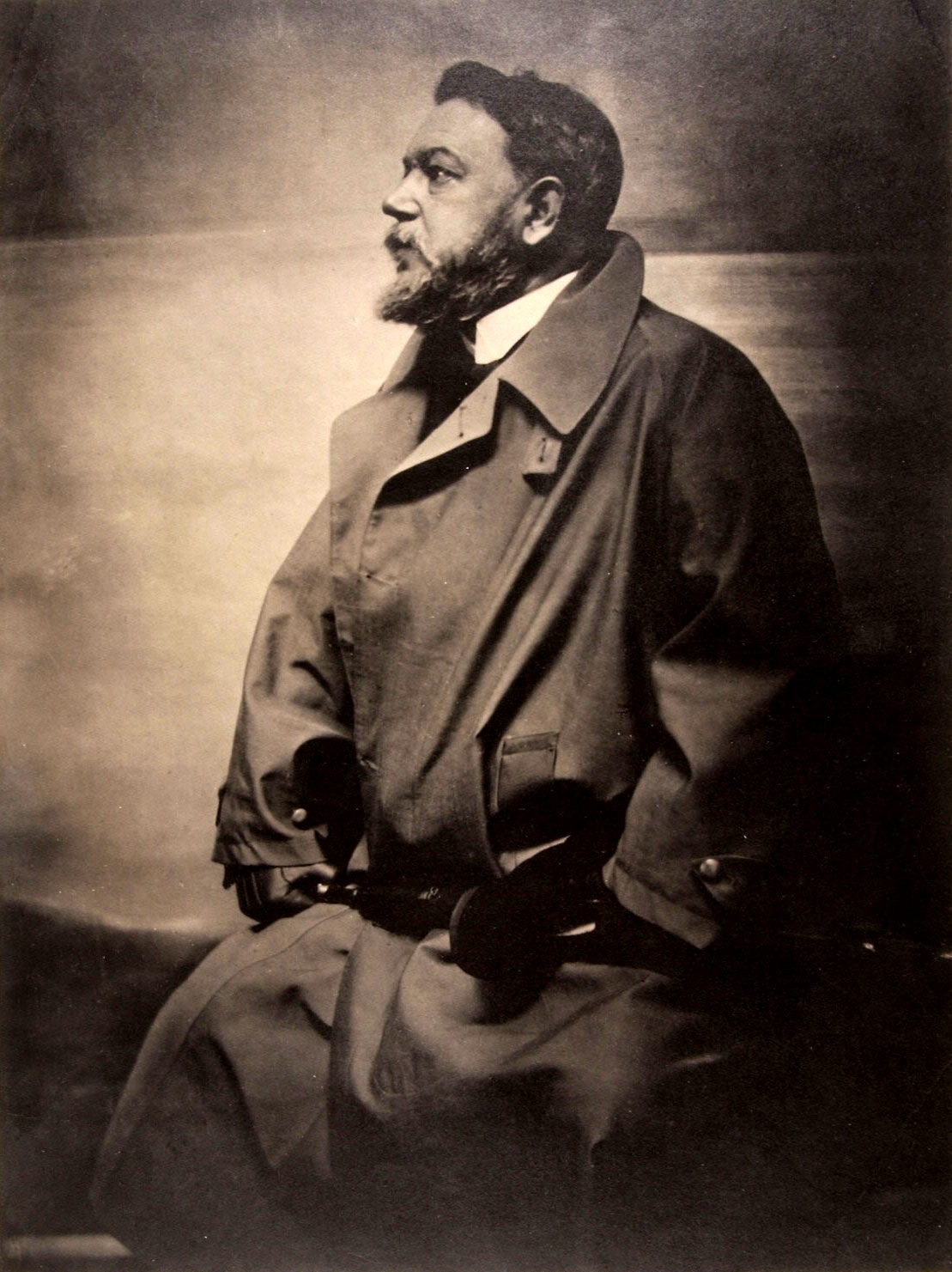
Joaquín Sorolla, born on February 27, 1863, in Valencia, Spain, is one of the most celebrated Spanish painters known for his mastery of light and color. His works, which often depict vibrant beach scenes, portraits, and landscapes, have left a significant mark on the art world. This article delves into Sorolla’s life, exploring his journey from a young artist in Valencia to becoming a renowned figure in international art circles. We will cover his age, rise to fame, and the highlights of his illustrious career, providing detailed insights into the life and legacy of Joaquín Sorolla.
Early Life and Artistic Beginnings
Joaquín Sorolla was born into a humble family in Valencia. Tragically, he lost both of his parents at the age of two, leaving him and his younger sister in the care of their aunt and uncle. Despite their modest means, his adoptive family recognized Sorolla’s early talent for drawing and supported his artistic ambitions. His uncle, a locksmith by trade, ensured that Sorolla could attend evening drawing classes at a local trade school while working in his workshop during the day.
Sorolla’s artistic journey began in earnest when, at the age of 15, he was freed from his work obligations to attend the prestigious San Carlos Academy of Fine Arts in Valencia full-time. This marked the beginning of his formal training as an artist. During his time at the academy, Sorolla’s talent quickly became evident, and he began to gain recognition for his skill in capturing light and detail in his works.
A pivotal moment in Sorolla’s early life came when he met Antonio García, the father of one of his classmates. García was a photographer and recognized Sorolla’s potential. He provided the young artist with a job in his photography studio and offered him space to paint in the attic. This experience was crucial for Sorolla, as it allowed him to explore the effects of light, a theme that would become central to his later work.
Artistic Development and Early Recognition
In the 1880s, Sorolla’s work began to attract attention in local and national exhibitions. His early works often featured historical and patriotic themes, a common trend among young artists of the time. In 1884, he participated in the National Exhibition of Fine Arts in Madrid with his painting 2 de Mayo, which earned him a second-place prize. This success not only bolstered his confidence but also provided him with a scholarship to study in Rome, a crucial step in his artistic development.
During his time in Rome, Sorolla was exposed to the classical works of the Renaissance and Baroque periods, which greatly influenced his technique. However, it was his travels to Paris that had the most profound impact on his artistic style. In Paris, Sorolla encountered the works of the Impressionists, who were exploring new ways of capturing light and color. This exposure convinced Sorolla to move away from the academic style he had been trained in and embrace a more naturalistic approach to painting.
While in Rome, Sorolla met and fell in love with Clotilde García del Castillo, the daughter of his benefactor, Antonio García. The couple married in 1888, and Clotilde became not only his wife but also his muse, appearing in many of his most famous works. Their marriage was a source of stability and support throughout Sorolla’s life, allowing him to focus entirely on his art.
Rise to Fame: The Master of Light
The 1890s marked a period of significant growth and recognition for Sorolla. His paintings began to win prizes in international exhibitions, and his reputation as a master of light and color spread beyond Spain. One of the turning points in his career came with the painting Another Marguerite (1892), which won a gold medal at the Madrid National Exhibition and was later sold at a high price for the time. This painting, depicting a young woman being taken to a mental institution, showcased Sorolla’s ability to combine emotional depth with technical brilliance.
Sorolla’s fascination with light became increasingly evident in his work during this period. He began to focus more on scenes of everyday life, particularly those set outdoors. His beach scenes, in particular, became iconic. Paintings like Stitching the Sail (1896) and The Return from Fishing (1894) are prime examples of how Sorolla captured the interplay of light, water, and human activity.
One of Sorolla’s most famous works, Walk on the Beach (1909), features his wife Clotilde and their daughter walking along the seashore. The painting is a masterclass in capturing the brilliance of sunlight reflecting off the sand and water, with the figures bathed in a warm, golden glow. This work, like many of his beach scenes, exemplifies Sorolla’s ability to infuse his paintings with a sense of movement and life.
International Success and Major Exhibitions
By the early 20th century, Joaquín Sorolla had established himself as one of the leading painters of his time. His works were in high demand, and he was invited to exhibit in major cities across Europe and the United States. One of his most significant achievements was a solo exhibition at the Galeries Georges Petit in Paris in 1906, which solidified his reputation as a premier artist on the international stage.
In 1908, Sorolla exhibited his work in London, where he received critical acclaim and secured a commission for a major exhibition in New York at the Hispanic Society of America. The New York exhibition, held in 1909, was a resounding success, attracting over 160,000 visitors. The exhibition featured more than 350 of his works, and many were sold to American collectors, further establishing his international fame.
The success of the New York exhibition led to other opportunities in the United States, including commissions for portraits of prominent American figures. Sorolla’s portraiture was highly regarded, and he was able to capture not just the physical likeness of his subjects but also their character and personality. His ability to blend the precision of classical portraiture with the vibrant energy of his impressionistic style made his portraits unique and sought after.
The Vision of Spain: A Monumental Project
One of the most significant projects of Sorolla’s later career was a commission from Archer M. Huntington, the founder of the Hispanic Society of America, to create a series of large murals depicting the regions of Spain. This monumental project, known as The Vision of Spain, would occupy Sorolla for eight years, from 1912 to 1920.
The Vision of Spain consists of 14 massive panels, each depicting scenes from different regions of Spain, capturing the diversity of Spanish culture, landscape, and people. The murals are a testament to Sorolla’s love for his homeland and his incredible skill in handling large compositions. The project was physically and emotionally demanding, pushing Sorolla to his limits as he traveled across Spain to gather inspiration and complete the works.
Despite the challenges, The Vision of Spain is considered one of Sorolla’s masterpieces. The murals are now housed at the Hispanic Society of America in New York, where they continue to be admired for their grandeur and the vibrancy of their colors. This project was not just a labor of love for Sorolla but also a tribute to the richness of Spanish culture, showcasing his deep connection to his roots.
Personal Struggles and Final Years
The intense labor required for The Vision of Spain took a toll on Sorolla’s health. In 1920, while working on a portrait of Señora Pérez de Ayala, Sorolla suffered a stroke that left him partially paralyzed. This event marked the end of his painting career, as he could no longer work with the same vigor and precision that had defined his earlier years.
Sorolla spent the remaining years of his life in declining health, surrounded by his family. His inability to paint was a source of deep sadness for him, as painting had been not just his profession but his passion and his way of experiencing the world. On August 10, 1923, Joaquín Sorolla passed away in Cercedilla, Spain, at the age of 60. He was buried in Valencia, the city of his birth, where his legacy continues to be celebrated.
Legacy and Impact on the Art World
Joaquín Sorolla’s legacy as a master of light and color remains strong to this day. His works are celebrated for their vibrant depictions of Mediterranean life, their masterful use of light, and their ability to capture the fleeting moments of everyday life. Sorolla’s influence can be seen in the works of later artists who sought to capture the effects of light in their own work.
In Spain, Sorolla is regarded as one of the most important painters of the 19th and early 20th centuries. His works are held in major museums around the world, including the Museo del Prado in Madrid, the Hispanic Society of America in New York, and the Sorolla Museum in Madrid, which is housed in his former home and studio.
Sorolla’s contribution to the art world extends beyond his own work. He was instrumental in bringing Spanish art to the attention of the international community, and his success helped pave the way for future generations of Spanish artists. His ability to combine traditional techniques with modern approaches to light and color has made his work timeless, continuing to inspire and captivate audiences more than a century after his death.
Conclusion: A Master of Light and Emotion
Joaquín Sorolla’s life and work are a testament to the power of art to capture the beauty and complexity of the world around us. His dedication to his craft, his innovative use of light, and his ability to convey emotion through color and form have earned him a place among the great masters of art. Sorolla’s paintings, whether they depict the bright beaches of Valencia, intimate family moments, or grand historical scenes, are filled with life and energy, reflecting the passion and vitality with which he approached his work.
As we look back on Sorolla’s life, we see not just an artist who mastered the technical aspects of painting but also a visionary who understood the emotional and spiritual impact that art can have. His works continue to be celebrated and studied, not just for their beauty but for their ability to connect with viewers on a deep and personal level. Joaquín Sorolla, the master of light, leaves behind a legacy that will continue to shine brightly in the world of art for generations to come.


