
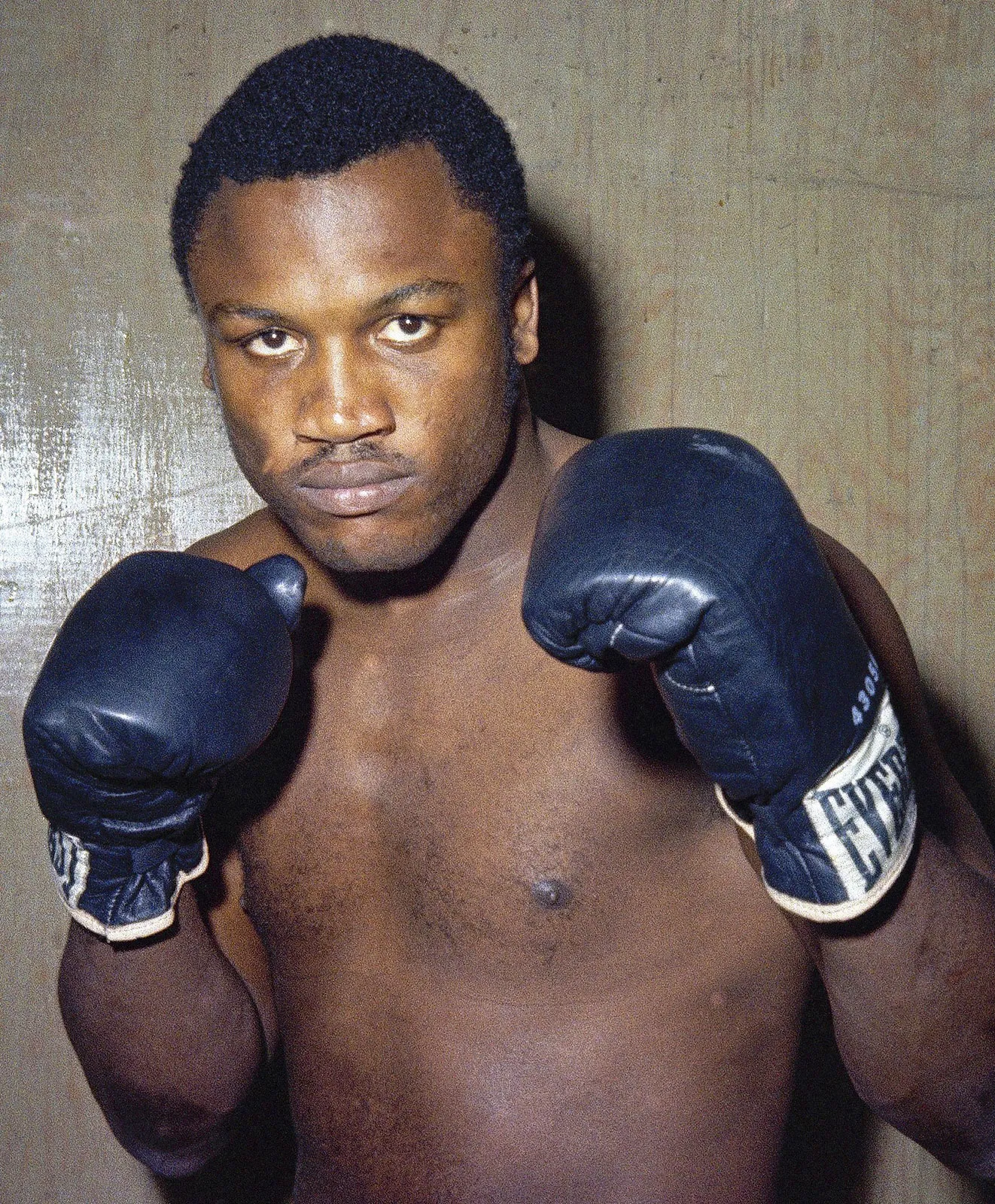
Joe Frazier, born Joseph William Frazier on January 12, 1944, in Beaufort, South Carolina, emerged from humble beginnings to become one of the most legendary figures in the world of boxing. His life story is not just about his achievements in the ring, but also about the challenges he faced growing up in the racially segregated South, his rise to fame, and the legacy he left behind. This article delves deep into the life of Joe Frazier, exploring his journey, key moments in his career, and the impact he had on the sport of boxing.
Early Life and Background
Joe Frazier was the youngest of 13 children born to Rubin and Dolly Frazier. His childhood was marked by the hardships of life in rural South Carolina, where his family owned a small 10-acre farm. The Frazier family lived a modest life, with Joe helping his father in the fields from a young age. Despite the challenges, Joe was close to his father, whom he considered his hero. This bond would later play a significant role in shaping Joe’s character and determination.
Growing up in Beaufort, a town heavily segregated at the time, Joe Frazier faced numerous obstacles. The town lacked proper recreational facilities for African Americans, and opportunities for a young black boy to excel were limited. However, Frazier’s life took a pivotal turn when his family became the first in their area to own a television. It was through this medium that Joe was introduced to the world of boxing, watching legendary fighters like Sugar Ray Robinson and Rocky Marciano. This early exposure sparked a fascination with the sport, although it wasn’t until later that he would pursue it seriously.
The Genesis of a Boxing Career
Joe Frazier’s entry into boxing was not immediate. Initially, he wasn’t particularly interested in the sport. However, an offhand comment from his uncle, who remarked that Joe could be the next Joe Louis, ignited a spark within him. Determined to prove his uncle right, young Joe constructed a makeshift punching bag using materials he found around the farm. He hung it from a tree and began training with a relentless focus that would become one of his defining traits.
At the age of 17, Frazier moved to Philadelphia in search of better opportunities. It was here that he truly began his boxing career, training under the guidance of Yancey “Yank” Durham, an ex-boxer who saw potential in the young Frazier. Under Durham’s mentorship, Frazier rapidly developed his skills, and by the time he was 20, he was already making waves in the amateur boxing scene.
Olympic Gold and Professional Beginnings
Joe Frazier’s amateur career reached its zenith at the 1964 Tokyo Olympics, where he won the gold medal in the heavyweight division. This achievement catapulted him into the limelight and marked the beginning of his professional career. His transition to the professional ranks was seamless; Frazier won his debut match in 1965 by knockout, a feat he would repeat in his next three fights, all of which ended before the third round.
The partnership between Frazier and Durham was instrumental in his early success. Durham, recognizing the need for additional expertise, brought in Eddie Futch, a renowned trainer from California. This collaboration proved to be a masterstroke. With Futch’s technical knowledge and Durham’s strategic acumen, Frazier quickly ascended the ranks of professional boxing.
Rise to World Champion
By the late 1960s, Joe Frazier was a force to be reckoned with in the heavyweight division. His aggressive fighting style, characterized by relentless pressure and powerful left hooks, earned him the nickname “Smokin’ Joe.” Frazier’s breakthrough came in 1968 when he won the New York State Athletic Commission (NYSAC) heavyweight title by defeating Buster Mathis in the 11th round via knockout.
Frazier’s crowning achievement came in 1970 when he defeated Jimmy Ellis to claim the World Heavyweight Championship. This victory set the stage for what would become one of the most iconic rivalries in sports history—his battles with Muhammad Ali.
The Muhammad Ali Rivalry
The rivalry between Joe Frazier and Muhammad Ali is the stuff of legend. It was more than just a series of boxing matches; it was a clash of personalities, ideologies, and styles. Ali, known for his flamboyant personality and quick wit, often taunted Frazier, calling him names and questioning his abilities. Frazier, in contrast, was a man of few words, preferring to let his fists do the talking.
Their first meeting, dubbed the “Fight of the Century,” took place on March 8, 1971, at Madison Square Garden. This bout was significant not only because it was the first time two undefeated heavyweights faced each other for the title but also because it was Ali’s return to the ring after a three-year hiatus due to his refusal to be drafted into the Vietnam War. The fight lived up to its billing, with Frazier winning by unanimous decision after knocking Ali down in the 15th round. This victory solidified Frazier’s status as the undisputed heavyweight champion of the world.
The Later Years: Triumphs and Defeats
Despite his victory over Ali, Frazier’s reign as champion was short-lived. In 1973, he faced George Foreman in a bout that ended in a devastating defeat for Frazier. Foreman knocked Frazier down six times in two rounds, forcing the referee to stop the fight. This loss was a turning point in Frazier’s career, as it marked the beginning of the end of his dominance in the heavyweight division.
Frazier and Ali would meet twice more in the ring. Their second fight, in 1974, saw Ali win by unanimous decision. However, it was their third and final encounter, known as the “Thrilla in Manila,” that is often regarded as the greatest boxing match of all time. Held in the Philippines on October 1, 1975, this fight was a brutal, grueling contest that saw both men pushed to their physical and mental limits. After 14 rounds of intense action, Frazier’s trainer, Eddie Futch, stopped the fight, fearing for his fighter’s safety. Ali later admitted that this was the closest he had ever come to dying in the ring.
Retirement and Legacy
After the “Thrilla in Manila,” Joe Frazier’s boxing career began to wind down. He attempted a comeback in 1976, fighting George Foreman again, but was knocked out in the fifth round. Frazier retired from boxing in 1976 with a record of 32 wins (27 by knockout), four losses, and one draw. He briefly returned to the ring in 1981 for a single fight, which ended in a draw, before retiring for good.
Frazier’s legacy in the world of boxing is immense. He was known for his relentless pressure, devastating left hook, and unyielding determination. His battles with Muhammad Ali are remembered as some of the greatest moments in sports history, and his influence on future generations of boxers is undeniable.
Personal Life and Final Years
Outside the ring, Joe Frazier was a devoted family man and a pillar of his community. Despite the intense rivalry with Muhammad Ali, the two men eventually reconciled, with Frazier even offering support to Ali as he battled Parkinson’s disease. Frazier’s later years were marked by health challenges, including a battle with diabetes and a diagnosis of liver cancer in 2011. He passed away on November 7, 2011, at the age of 67.
Joe Frazier’s life is a testament to the power of perseverance, discipline, and resilience. From his humble beginnings in South Carolina to the pinnacle of boxing glory, Frazier’s journey is an inspiring story of a man who fought against the odds and emerged victorious. His legacy continues to inspire not just boxers but anyone facing challenges in life.
Conclusion
Joe Frazier remains a towering figure in the history of boxing. His life story, marked by triumphs and tribulations, serves as a powerful reminder of the strength of the human spirit. As a world champion, he faced and overcame some of the greatest challenges in the sport, earning his place among the legends of boxing. His rivalry with Muhammad Ali, particularly the “Thrilla in Manila,” will forever be remembered as one of the most epic confrontations in sports history. Through his determination, skill, and relentless pursuit of excellence, Joe Frazier has left an indelible mark on the world of boxing, ensuring that his legacy will endure for generations to come.


