
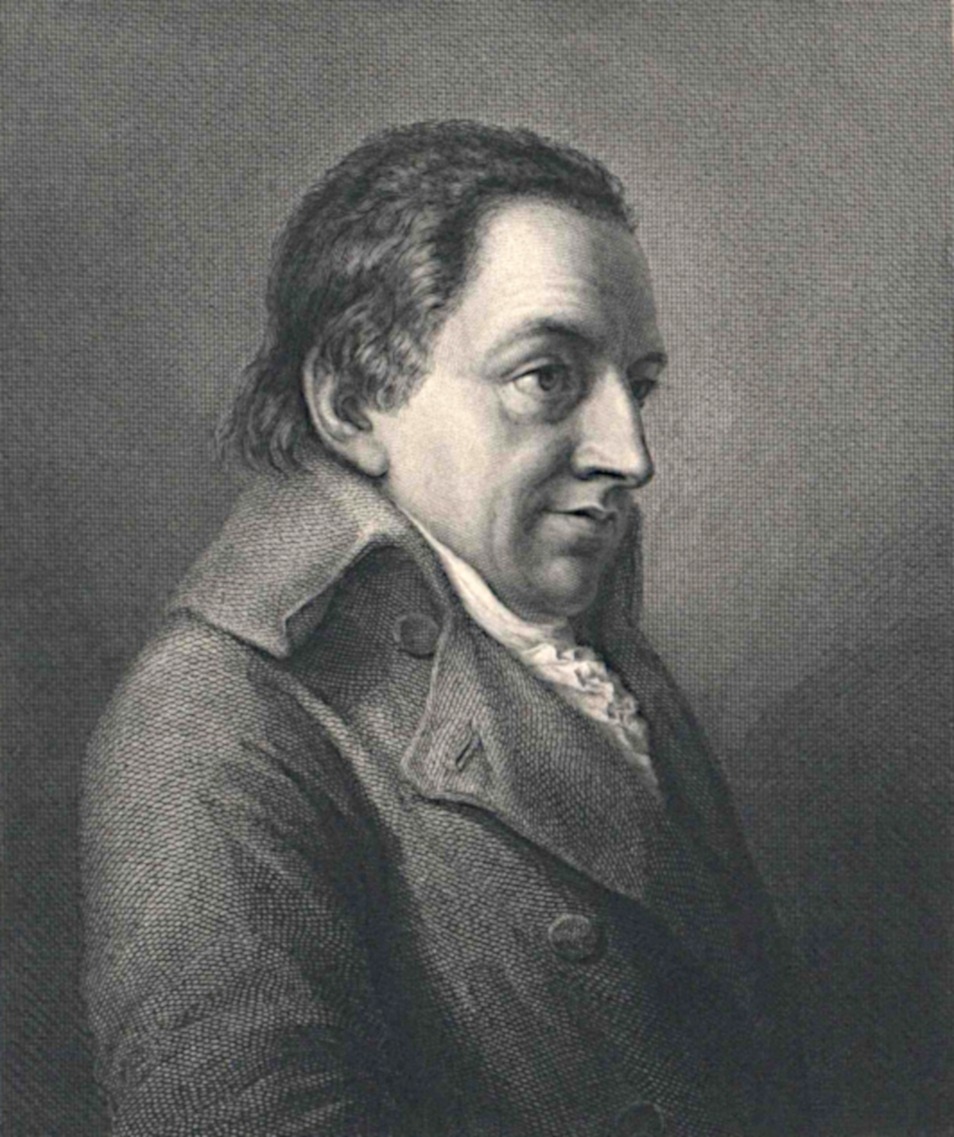
Johann Gottlieb Fichte, a name that resonates with deep philosophical inquiry and the intellectual currents of German Idealism, stands as a towering figure in the history of Western thought. Often overshadowed by contemporaries such as Immanuel Kant and Georg Wilhelm Friedrich Hegel, Fichte’s contributions are nonetheless pivotal in the evolution of philosophy. This article provides an in-depth exploration of Fichte’s life, his philosophical achievements, the nuances of his intellectual journey, and the historical context that shaped his work. As we delve into his age, fame, and life highlights, we will also reflect on Fichte’s enduring legacy in modern thought.
Early Life and Background: The Formation of a Philosopher
Johann Gottlieb Fichte was born on May 19, 1762, in Rammenau, a small village in Saxony, Germany. He was born into a modest family; his father was a ribbon weaver. Despite the humble circumstances of his upbringing, Fichte displayed an early aptitude for learning. Recognizing his potential, a local nobleman sponsored his education, allowing him to attend the prestigious Schulpforta, a renowned boarding school for boys. This opportunity was a turning point in Fichte’s life, providing him with a solid foundation in classical education and igniting his passion for philosophy.
After completing his education at Schulpforta, Fichte enrolled at the University of Jena in 1780 to study theology, with the initial intention of becoming a pastor. However, his intellectual interests soon gravitated toward philosophy, particularly the works of Immanuel Kant. Fichte’s early exposure to Kantian philosophy would prove to be a defining influence on his own philosophical development.
The Kantian Influence and the Birth of Fichtean Philosophy
Immanuel Kant’s critical philosophy, especially his seminal work, “Critique of Pure Reason,” had a profound impact on Fichte. Kant’s ideas about the nature of knowledge, the limits of human understanding, and the autonomy of the individual resonated deeply with Fichte, who sought to expand upon these ideas. However, Fichte was not content to merely interpret Kant; he aimed to address what he saw as the limitations and ambiguities in Kant’s system, particularly the relationship between the self (the “I”) and the external world.
Fichte’s breakthrough came in 1794 with the publication of his “Wissenschaftslehre” (Doctrine of Science). This work marked the formal birth of Fichtean philosophy, a system that sought to ground all knowledge in the activity of the self. Fichte argued that the self posits both itself and the world, meaning that the external world is a product of the self’s active consciousness. This radical idealism positioned Fichte as a key figure in the development of German Idealism, laying the groundwork for later philosophers like Schelling and Hegel.
The Rise to Fame: Fichte’s Academic Career
Fichte’s “Wissenschaftslehre” quickly garnered attention within the academic community, earning him a reputation as one of the leading philosophers of his time. In 1794, he was appointed as a professor of philosophy at the University of Jena, one of the most prestigious academic institutions in Germany. Fichte’s lectures were immensely popular, attracting students and scholars from across Europe who were eager to engage with his innovative ideas.
During his time at Jena, Fichte continued to refine and expand his philosophical system. He published several important works, including “Foundations of Natural Right” (1796) and “The System of Ethics” (1798), in which he explored the implications of his idealism for political philosophy and ethics. In these works, Fichte articulated a vision of individual freedom grounded in the self’s autonomy, which he argued was the basis for all moral and legal obligations. His ideas about freedom and the moral law would later influence a wide range of thinkers, from Karl Marx to existentialist philosophers.
Controversy and the Atheism Dispute
Fichte’s meteoric rise in the academic world was not without controversy. In 1798, he became embroiled in a scandal known as the Atheism Dispute. The controversy began when Fichte published an article in which he appeared to deny the existence of a personal God, arguing instead for a more abstract, pantheistic conception of the divine. This position, which was consistent with his philosophical system, was seen by many as atheistic, leading to a public outcry.
The Atheism Dispute had serious consequences for Fichte’s career. Accused of spreading irreligious ideas, he was forced to resign from his position at the University of Jena. The scandal tarnished Fichte’s reputation and marked a turning point in his life. However, rather than retreating from public life, Fichte used this opportunity to further develop his ideas and engage with broader social and political issues.
Fichte’s Later Works: Philosophy and Nationalism
After leaving Jena, Fichte relocated to Berlin, where he continued his philosophical work and became increasingly involved in political and social matters. The early 19th century was a tumultuous time in Europe, with the Napoleonic Wars reshaping the political landscape. Fichte, who was deeply concerned with the fate of Germany, began to articulate a vision of German nationalism grounded in his philosophical principles.
In 1807, Fichte delivered a series of lectures known as “Addresses to the German Nation,” which became one of his most famous works. These lectures, given during the French occupation of Berlin, called for a cultural and spiritual renewal of the German people. Fichte argued that Germany could only achieve true freedom through a collective effort to cultivate a strong national identity, based on the moral and intellectual development of its citizens. His ideas were influential in the rise of German nationalism and would later be co-opted by various political movements in the 19th and 20th centuries.
Fichte’s later works also reflected his ongoing commitment to the principles of freedom and autonomy. In “The Closed Commercial State” (1800), he proposed a vision of a self-sufficient, economically independent nation-state, which he believed was necessary to protect individual freedom and moral integrity. Although this work was less influential than his earlier writings, it demonstrated Fichte’s willingness to apply his philosophical ideas to practical political issues.
Historical Context: The Intellectual and Political Climate of Fichte’s Time
To fully understand Fichte’s work, it is essential to consider the broader intellectual and political context in which he lived. The late 18th and early 19th centuries were a period of significant upheaval and transformation in Europe. The Enlightenment, with its emphasis on reason, science, and individual rights, had challenged traditional authorities and laid the groundwork for the revolutionary movements that followed.
The French Revolution of 1789 and the subsequent rise of Napoleon Bonaparte had a profound impact on European thought and politics. The revolution’s ideals of liberty, equality, and fraternity inspired many, including Fichte, but the violent and chaotic aftermath also led to widespread disillusionment. Fichte’s philosophy can be seen as a response to these events, as he sought to reconcile the Enlightenment’s emphasis on individual autonomy with the need for social order and cohesion.
Fichte’s emphasis on the self and autonomy also reflected the broader intellectual currents of German Idealism, which emerged in the wake of Kant’s critical philosophy. German Idealists like Fichte, Schelling, and Hegel sought to develop comprehensive systems of thought that could address the complexities of human experience and the nature of reality. Fichte’s work, with its focus on the self’s active role in shaping the world, was a crucial contribution to this intellectual movement.
Fichte’s Personal Life and Character
While Fichte is best known for his philosophical contributions, his personal life and character also offer valuable insights into his work. Fichte was known for his intense and passionate personality, which was reflected in both his writing and his public life. He was deeply committed to his principles and often expressed his ideas with a fervor that bordered on zealotry. This intensity sometimes alienated his contemporaries, but it also inspired a devoted following among his students and admirers.
Fichte married Johanna Rahn in 1793, and the couple had one son, Immanuel Hermann Fichte, who would later become a philosopher in his own right. Fichte’s family life was marked by financial difficulties, especially after his dismissal from the University of Jena. However, his wife’s unwavering support and his own determination allowed him to continue his work despite these challenges.
Fichte’s personal integrity and moral seriousness were also evident in his political engagements. He was an outspoken advocate for social justice and believed that philosophy had a crucial role to play in the betterment of society. His commitment to these ideals was evident in his “Addresses to the German Nation,” where he called for a national education system that would cultivate moral and intellectual virtues in the German people.
Fichte’s Death and Legacy
Johann Gottlieb Fichte passed away on January 27, 1814, in Berlin, at the age of 51. His death was attributed to typhus, which he contracted while caring for his wife, who had also fallen ill. Fichte’s passing marked the end of a remarkable intellectual journey, but his ideas continued to influence the development of German philosophy and beyond.
Fichte’s legacy is complex and multifaceted. On one hand, he is celebrated as a pioneer of German Idealism and a key figure in the history of philosophy. His ideas about the self, freedom, and the moral law have had a lasting impact on subsequent generations of philosophers, from Hegel to existentialists like Jean-Paul Sartre. Fichte’s emphasis on the active, creative role of the self in shaping reality remains a central theme in many philosophical discussions today.
On the other hand, Fichte’s ideas about nationalism and the role of the state have been the subject of much debate and controversy. While his “Addresses to the German Nation” were intended to inspire a cultural and moral renewal, they have also been interpreted as laying the groundwork for more exclusionary and authoritarian forms of nationalism. This aspect of Fichte’s legacy highlights the complexities and potential dangers of philosophical ideas when applied to political contexts.
Conclusion: The Enduring Relevance of Johann Gottlieb Fichte
Johann Gottlieb Fichte was a philosopher whose work was deeply rooted in the intellectual and political currents of his time, yet his ideas continue to resonate in the modern world. His emphasis on the self’s autonomy, the importance of moral responsibility, and the need for social and political cohesion are themes that remain relevant in contemporary philosophical and political debates.
Fichte’s life and work remind us of the power of philosophy to shape not only individual thought but also collective action. His vision of a world in which individuals are free, morally responsible, and committed to the common good offers a compelling model for how we might navigate the challenges of our own time.
As we reflect on Fichte’s contributions to philosophy and his influence on the course of modern thought, we are reminded that the questions he grappled with—about the nature of the self, the foundations of knowledge, and the responsibilities of individuals and nations—are as pressing today as they were in his time. Fichte’s legacy, with all its complexities and contradictions, continues to inspire and challenge us to think deeply about the role of philosophy in our lives and the world.


