
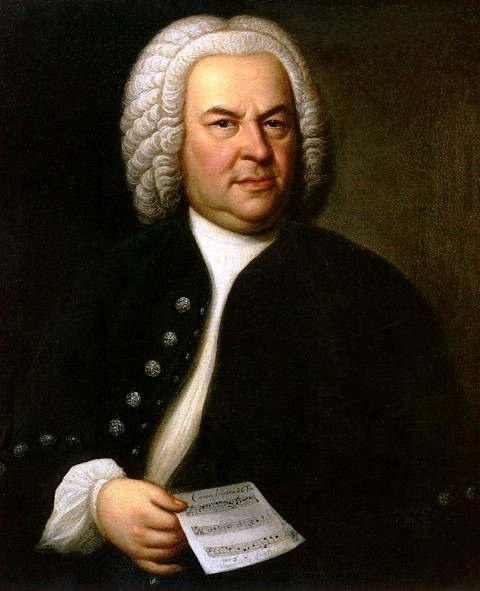
Johann Sebastian Bach, a name synonymous with the Baroque era, stands as one of the most revered composers in the history of Western classical music. His works, characterized by intricate counterpoint and profound emotional depth, have left an indelible mark on the musical landscape. This article delves into Johann Sebastian Bach’s age, fame, and life highlights, providing detailed insights and explanations about his remarkable journey and enduring legacy.
Early Life and Background
Johann Sebastian Bach was born on March 31, 1685, in Eisenach, Germany, into a family with a rich musical heritage. His father, Johann Ambrosius Bach, was a renowned musician, and many of his relatives were composers and instrumentalists. This familial environment steeped in music played a crucial role in shaping Bach’s early musical development.
Bach was orphaned at the age of ten and went to live with his older brother, Johann Christoph Bach, in Ohrdruf. Johann Christoph, a skilled organist, provided young Bach with his initial formal music education. Under his brother’s tutelage, Bach honed his skills in playing the organ and harpsichord, and he began to study composition.
Education and Early Career
Bach’s early education was comprehensive, encompassing not only music but also subjects like Latin, Greek, and theology. At the age of 15, he moved to Lüneburg to attend the prestigious St. Michael’s School. This period was instrumental in broadening his musical horizons, exposing him to the works of North German organists and the flourishing musical scene in Hamburg.
After completing his studies, Bach held several minor positions as a musician. His first significant appointment came in 1703, when he became the organist at the New Church (Neue Kirche) in Arnstadt. This role provided him with the opportunity to develop his skills as an organist and composer, although his unconventional style and dedication to perfecting his craft sometimes led to conflicts with the church authorities.
The Weimar and Köthen Periods
In 1708, Bach secured a position as court organist and concertmaster at the court of Duke Wilhelm Ernst in Weimar. This period was one of prolific output, during which Bach composed many of his important organ works, including the famed “Toccata and Fugue in D minor.” His growing reputation as a virtuoso organist and talented composer attracted attention beyond Weimar.
In 1717, Bach accepted the position of Kapellmeister (director of music) at the court of Prince Leopold of Anhalt-Köthen. Unlike his previous positions, this role did not involve church duties, allowing Bach to focus on secular music. It was during his tenure in Köthen that he composed some of his most celebrated instrumental works, including the “Brandenburg Concertos,” the “Well-Tempered Clavier,” and numerous suites and sonatas.
Leipzig: The Pinnacle of Bach’s Career
Bach’s most significant and longest tenure began in 1723 when he was appointed Cantor of the St. Thomas Church in Leipzig. This prestigious position required him to oversee the music for the city’s four main churches, teach at the St. Thomas School, and compose music for various occasions. The Leipzig period is often regarded as the pinnacle of Bach’s career, marked by an extraordinary output of both sacred and secular music.
Among his notable works from this period are the “St. Matthew Passion,” “St. John Passion,” the “Mass in B minor,” and numerous cantatas. These compositions not only highlight Bach’s mastery of counterpoint and harmony but also his deep religious devotion and ability to convey profound emotional and spiritual themes.
Personal Life and Challenges
Bach’s personal life was marked by both joy and hardship. He married his second cousin, Maria Barbara Bach, in 1707, and they had seven children, three of whom survived to adulthood. Maria Barbara’s sudden death in 1720 was a significant blow to Bach. A year later, he married Anna Magdalena Wilcke, a talented soprano who played an integral role in his musical endeavors. Together, they had thirteen children, several of whom became notable musicians, including Carl Philipp Emanuel Bach and Johann Christian Bach.
Despite his prolific output and significant contributions to music, Bach faced numerous challenges throughout his career. He often struggled with the conservative tastes of his employers and the bureaucratic demands of his positions. Financial difficulties and the loss of several children also marked his personal life. Nevertheless, Bach’s unwavering dedication to his art and faith helped him overcome these obstacles.
Influence and Legacy
Johann Sebastian Bach’s influence on the world of music is immeasurable. His works have been a source of inspiration for countless composers, musicians, and scholars. Bach’s mastery of counterpoint, harmonic innovation, and structural complexity set new standards in Western music and laid the foundation for future developments in composition.
During his lifetime, Bach’s fame was primarily confined to his role as an organist and teacher. His music, considered complex and demanding, did not gain widespread popularity until the 19th century. The revival of interest in Bach’s work, led by composers such as Felix Mendelssohn, firmly established him as one of the greatest composers in history.
Historical Context and Nuances
Understanding Bach’s contributions requires a consideration of the broader historical and cultural context of the Baroque era. This period, spanning from approximately 1600 to 1750, was characterized by dramatic expression, elaborate ornamentation, and the exploration of new musical forms. Bach’s work epitomizes the Baroque spirit, blending intricate musical architecture with profound emotional depth.
Bach’s compositions often reflected the religious and philosophical currents of his time. His Lutheran faith deeply influenced his sacred works, which were designed to enhance the spiritual experience of worship. Bach’s use of musical symbolism and his integration of theological themes into his compositions highlight his deep engagement with the intellectual and spiritual life of his era.
Later Years and Final Works
In his later years, Bach continued to compose and refine his techniques, producing some of his most profound and technically demanding works. Among these are the “Goldberg Variations,” the “Musical Offering,” and “The Art of Fugue.” These compositions are celebrated for their complexity, innovation, and beauty, showcasing Bach’s enduring genius and creative vitality.
Bach’s health began to decline in the late 1740s, and he underwent eye surgery in 1750, which ultimately led to complications and his death on July 28, 1750. Despite his passing, Bach’s music continued to influence generations of composers and remains a cornerstone of Western classical music.
Rediscovery and Modern Influence
The rediscovery of Bach’s music in the 19th century marked a turning point in the appreciation of his genius. Mendelssohn’s performance of the “St. Matthew Passion” in 1829 played a crucial role in reviving interest in Bach’s work. This resurgence brought Bach’s music to a broader audience and cemented his place in the canon of great composers.
In modern times, Bach’s influence extends beyond classical music. His compositions have been adapted and interpreted in various genres, from jazz to electronic music. Musicians and composers continue to draw inspiration from Bach’s innovative techniques and timeless artistry.
Personal Reflections and Philosophy
Bach’s personal writings and letters reveal a man deeply committed to his faith, family, and music. He often described his work as a means to glorify God and expressed a humble approach to his artistic achievements. This perspective is reflected in the inscription “Soli Deo Gloria” (To God alone be the glory) found on many of his manuscripts.
Bach’s philosophy of music as a divine gift and a form of worship underscores the spiritual dimension of his work. His ability to merge technical mastery with profound emotional and spiritual expression remains one of the hallmarks of his legacy.
Conclusion
Johann Sebastian Bach’s life and work are a testament to his extraordinary talent, dedication, and influence. From his early years in Eisenach to his pinnacle in Leipzig, Bach’s journey is marked by significant achievements and an enduring impact on the world of music. His ability to blend complex musical structures with deep emotional and spiritual content has ensured his place as one of the greatest composers in history.
As we reflect on Bach’s contributions, it is clear that his legacy extends far beyond his time. His music continues to inspire and challenge musicians, composers, and audiences, offering a timeless exploration of the human experience. Johann Sebastian Bach’s story is a powerful reminder of the enduring power of creativity, faith, and the pursuit of excellence.
Bach’s influence on Western music is profound and far-reaching. His compositions, characterized by their complexity, beauty, and innovation, remain central to the study and performance of classical music. As we celebrate the life and achievements of Johann Sebastian Bach, we are reminded of the timeless appeal of his work and the lasting impact of his artistic vision.


