
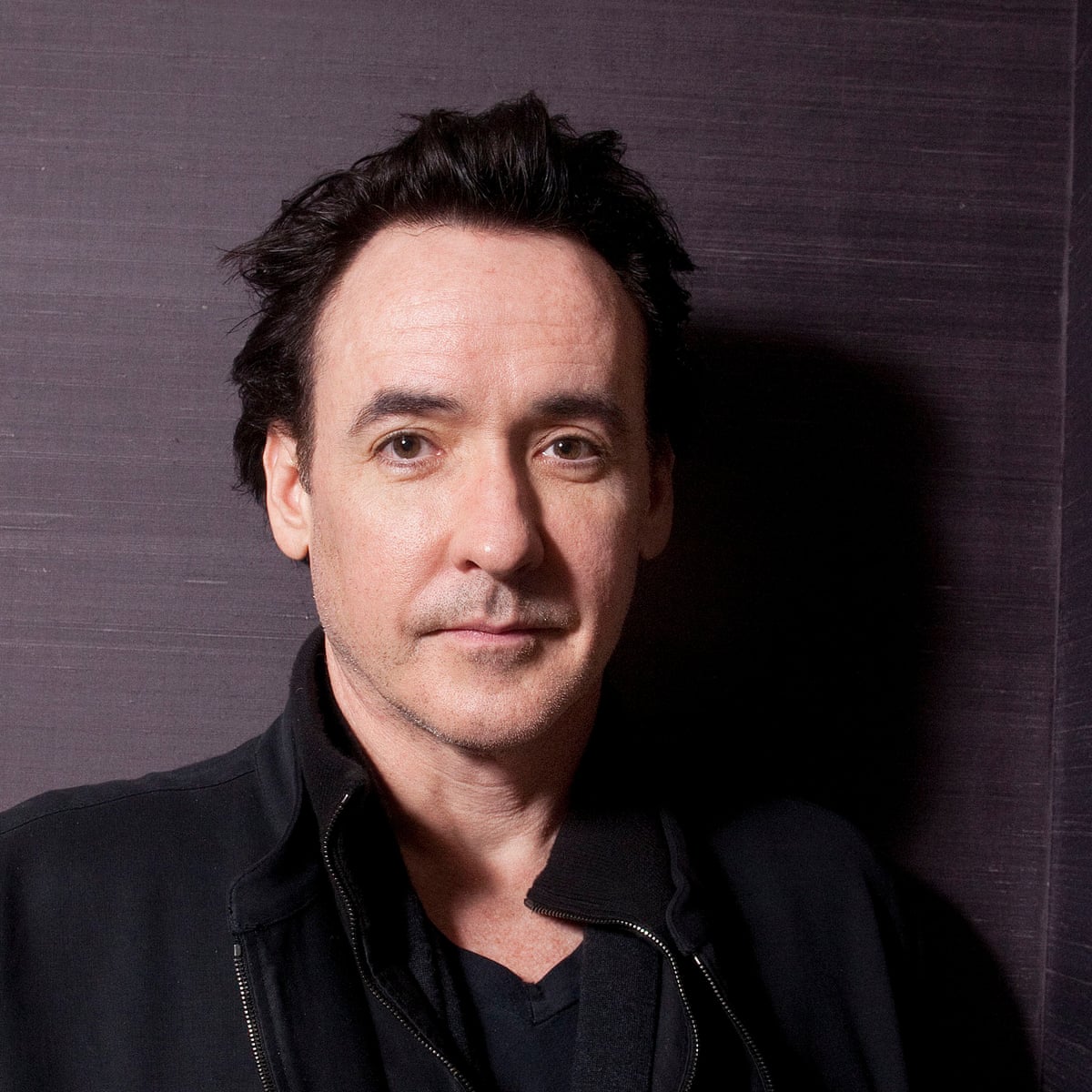
John Cusack, born on June 28, 1966, in Evanston, Illinois, is one of the most recognizable faces in Hollywood. Known for his versatility and unique blend of charm, wit, and intensity, Cusack has carved out a distinguished career that spans several decades. His journey from a young actor in 1980s teen comedies to a respected figure in the film industry is a testament to his enduring appeal and talent.
Early Life and Beginnings
John Paul Cusack was born into a family with deep ties to the arts. His mother, Ann Paula Cusack, was a former mathematics teacher and political activist, while his father, Richard Cusack, was an actor, documentary filmmaker, and the owner of a film production company. Growing up in a household that valued creativity and expression, it was perhaps inevitable that Cusack and his siblings would gravitate towards the arts. John is one of five siblings, all of whom have pursued careers in acting and filmmaking.
Cusack attended Evanston Township High School, where he formed a close friendship with Jeremy Piven, who would later become a frequent collaborator. After high school, Cusack briefly attended New York University, but he soon realized that his true passion lay in acting. By the mid-1980s, Cusack had begun to make a name for himself in Hollywood, appearing in a series of popular teen films.
The 1980s: A Rising Star
The 1980s were a formative period for John Cusack. He quickly gained fame for his roles in a string of successful teen comedies that have since become cult classics. Films like “Sixteen Candles” (1984), “Better Off Dead” (1985), and “The Sure Thing” (1985) established him as a fresh and relatable face in Hollywood. His portrayals of quirky, endearing characters resonated with audiences, and he quickly became a favorite among young moviegoers.
One of Cusack’s most iconic roles from this era came in 1989, when he starred as Lloyd Dobler in Cameron Crowe’s “Say Anything…” The film, which tells the story of a love-struck teenager who pursues the girl of his dreams, has become one of the most beloved romantic comedies of all time. Cusack’s performance, particularly the famous scene where he holds a boombox over his head playing Peter Gabriel’s “In Your Eyes,” cemented his status as a cultural icon.
Transitioning to More Serious Roles
As the 1980s drew to a close, John Cusack began to transition into more serious and varied roles. This period marked a significant shift in his career, as he sought to break free from the confines of the teen heartthrob label. His role in “The Grifters” (1990), a neo-noir film directed by Stephen Frears, showcased his ability to take on darker, more complex characters. The film, which also starred Anjelica Huston and Annette Bening, was critically acclaimed and earned Cusack widespread praise for his performance.
Cusack continued to explore a range of genres throughout the early 1990s. In 1994, he appeared in Woody Allen’s “Bullets Over Broadway,” a comedy set in the 1920s theater world. His role as a struggling playwright who gets entangled with mobsters further demonstrated his versatility as an actor. He also starred in Alan Parker’s “The Road to Wellville” (1994), a satirical look at the health fads of the early 20th century.
One of Cusack’s most significant successes during this time was the dark comedy “Grosse Pointe Blank” (1997), in which he played a hitman who returns to his hometown for his high school reunion. The film, which also featured his sister Joan Cusack and longtime friend Jeremy Piven, was a critical and commercial hit, and it remains one of Cusack’s most beloved films.
The Late 1990s: Critical Acclaim and Cult Status
The late 1990s were a period of critical acclaim for John Cusack. He starred in several films that have since achieved cult status, cementing his reputation as one of Hollywood’s most reliable and intriguing actors. In 1997, he appeared in “Con Air,” a high-octane action film directed by Simon West. Cusack’s portrayal of a U.S. Marshal who is tasked with stopping a plane hijacked by dangerous criminals showcased his ability to handle action-packed roles with ease.
Cusack also starred in Clint Eastwood’s “Midnight in the Garden of Good and Evil” (1997), a film adaptation of John Berendt’s bestselling non-fiction book. The film, which explored the eccentric characters and mysterious events surrounding a murder trial in Savannah, Georgia, allowed Cusack to delve into a more introspective and nuanced role.
One of Cusack’s most notable performances from this period was in “Being John Malkovich” (1999), a surreal comedy directed by Spike Jonze. The film, which centers around a puppeteer who discovers a portal into the mind of actor John Malkovich, was a critical darling and earned several Academy Award nominations. Cusack’s portrayal of the quirky and desperate Craig Schwartz was a standout, and the film has since become a modern classic.
The 2000s: A Mix of Mainstream and Independent Films
The 2000s saw John Cusack continue to balance mainstream films with more independent and experimental projects. He began the decade with a starring role in “High Fidelity” (2000), a film adaptation of Nick Hornby’s novel. In the film, Cusack played Rob Gordon, a record store owner who reflects on his past relationships. The film was both a critical and commercial success, and it remains one of Cusack’s most beloved roles.
Cusack also starred in the romantic comedy “Serendipity” (2001), opposite Kate Beckinsale. The film, which tells the story of two people who meet by chance and then spend years trying to find each other again, was a hit with audiences and further solidified Cusack’s status as a leading man in romantic comedies.
Throughout the 2000s, Cusack continued to take on a variety of roles in different genres. He starred in the thriller “Identity” (2003), directed by James Mangold, as well as the political drama “Runaway Jury” (2003), based on the novel by John Grisham. Both films were well-received and showcased Cusack’s ability to handle complex and intense roles.
Cusack also ventured into the horror genre with the film “1408” (2007), based on a short story by Stephen King. The film, which tells the story of a writer who becomes trapped in a haunted hotel room, was a box office success and is considered one of the best adaptations of King’s work.
Advocacy and Blogging
In addition to his acting career, John Cusack has been an outspoken political activist. In 2005, he became a blogger for The Huffington Post, where he frequently wrote about his opposition to the Iraq War and his criticism of the Bush administration. Cusack’s passionate and articulate posts garnered a significant following and further established him as a thoughtful and engaged public figure.
Cusack’s activism extended beyond his writing. He was an early supporter of the Freedom of the Press Foundation, an organization dedicated to protecting and defending journalism and freedom of speech. His commitment to social and political causes has earned him respect both within and outside the entertainment industry.
The 2010s: Continued Success and Diverse Roles
The 2010s were another productive decade for John Cusack. He continued to take on diverse roles in both mainstream and independent films. In 2012, he starred in “The Raven,” a thriller in which he portrayed the legendary writer Edgar Allan Poe. The film, directed by James McTeigue, explored the mysterious circumstances surrounding Poe’s death and allowed Cusack to showcase his range as an actor.
Cusack also appeared in several other notable films during this decade, including “The Butler” (2013), directed by Lee Daniels. In the film, which tells the story of an African-American butler who served eight U.S. presidents, Cusack played President Richard Nixon. His portrayal of the controversial figure was well-received and added another layer to his already diverse filmography.
In 2014, Cusack starred in “Maps to the Stars,” a dark satire directed by David Cronenberg that takes a critical look at the excesses of Hollywood. The film, which also starred Julianne Moore and Mia Wasikowska, received critical acclaim and highlighted Cusack’s ability to navigate complex and challenging material.
Legacy and Influence
John Cusack’s career is marked by its breadth and depth. Over the years, he has consistently chosen roles that challenge him as an actor and resonate with audiences. His ability to seamlessly transition between genres, from romantic comedies to thrillers to dramas, is a testament to his versatility and skill.
Cusack’s influence extends beyond his acting. His work as a political activist and advocate for freedom of the press has made him a respected figure in both the entertainment industry and the wider world. His willingness to speak out on important issues, combined with his talent as an actor, has ensured that he remains a relevant and influential figure in Hollywood.
As of today, John Cusack continues to be active in the film industry, taking on roles that challenge and inspire him. His journey from a young actor in 1980s teen comedies to a respected and influential figure in Hollywood is a story of perseverance, talent, and a deep commitment to his craft. His legacy will undoubtedly continue to inspire future generations of actors and filmmakers.


