
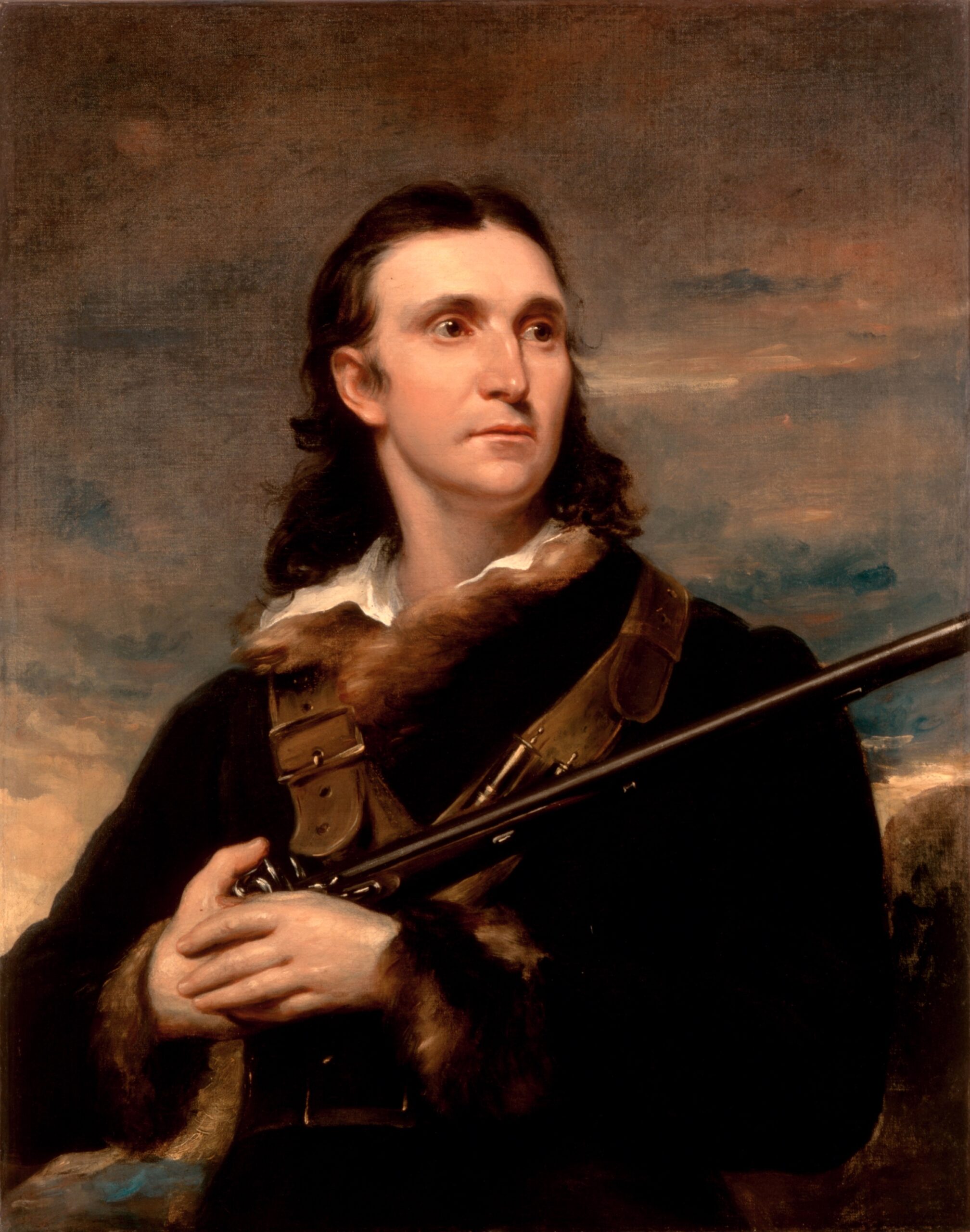
John James Audubon, a renowned naturalist, ornithologist, and painter, is best known for his extraordinary contributions to the study and illustration of North American birds. His magnum opus, “The Birds of America,” is celebrated for its stunning illustrations and scientific precision. This comprehensive exploration delves into John James Audubon’s early life, rise to fame, significant achievements, and the nuances of his career, providing detailed insights and historical context to understand this influential figure.
Early Life and Background
Birth and Family Heritage
John James Audubon was born on April 26, 1785, in Les Cayes, Haiti (then Saint-Domingue), to Jean Audubon, a French sea captain and plantation owner, and Jeanne Rabine, his Creole mistress. Following the death of his mother, Audubon was taken to France where he was formally adopted by his father and his father’s wife, Anne Moynet Audubon. Growing up in Nantes, France, Audubon showed an early interest in nature and art, influenced by the picturesque countryside and his father’s natural history collections.
Childhood and Early Influences
Audubon’s early fascination with birds and wildlife was nurtured by his father, who encouraged his explorations and artistic endeavors. He received a basic education in France, where he also developed his drawing skills, often sketching birds and other animals he observed in the countryside. These formative experiences laid the foundation for his future career as a naturalist and artist.
Emigration to America
In 1803, at the age of 18, Audubon emigrated to the United States to escape conscription into Napoleon’s army and to manage his father’s estate, Mill Grove, near Philadelphia. America’s vast wilderness offered Audubon unparalleled opportunities to study and document the continent’s diverse bird species. His time in the United States marked the beginning of his lifelong dedication to ornithology and natural history.
Rise to Fame
Early Career and Challenges
Despite his passion for ornithology and art, Audubon initially struggled to establish himself professionally. He attempted various business ventures, including operating a general store and a mill, but none were successful. Financial difficulties and setbacks did not deter him from his true passion—studying and illustrating birds. During this period, Audubon honed his skills in taxidermy, sketching, and field observations, laying the groundwork for his later achievements.
Breakthrough with “The Birds of America”
Audubon’s breakthrough came with his ambitious project, “The Birds of America,” an extensive collection of life-sized, hand-colored prints of bird species. Determined to document and illustrate every bird species in North America, he traveled extensively across the continent, enduring harsh conditions and financial hardships. His dedication paid off when he secured support from wealthy patrons in Britain, allowing him to publish his monumental work between 1827 and 1838. “The Birds of America” gained widespread acclaim for its artistic excellence and scientific accuracy, establishing Audubon as a leading figure in ornithology.
Major Works and Contributions
“The Birds of America”
“The Birds of America” remains Audubon’s most celebrated work, comprising 435 hand-colored, life-sized prints of 497 bird species. Each illustration is notable for its detail, accuracy, and dynamic composition, capturing the birds in their natural habitats and behaviors. The work is regarded as one of the finest ornithological achievements and a masterpiece of American art.
“Ornithological Biography”
To complement “The Birds of America,” Audubon published “Ornithological Biography,” a five-volume series of detailed descriptions and observations of the bird species depicted in his illustrations. Written in collaboration with Scottish ornithologist William MacGillivray, these volumes provided comprehensive scientific data and personal anecdotes, enhancing the value of his visual work.
Other Notable Works
In addition to “The Birds of America,” Audubon produced several other significant works, including “The Viviparous Quadrupeds of North America,” a collaboration with John Bachman, which documented North American mammals. This project, like his work on birds, combined scientific rigor with artistic excellence, further cementing his legacy as a naturalist and artist.
Personal Life and Relationships
Marriage and Family
In 1808, Audubon married Lucy Bakewell, an Englishwoman who provided steadfast support throughout his career. The couple had two sons, Victor Gifford and John Woodhouse, both of whom assisted their father in his work. Lucy’s support was crucial, particularly during the financially challenging years when Audubon was struggling to publish his works. Her contributions, both emotional and practical, were instrumental in his success.
Friendships and Collaborations
Audubon formed several important friendships and collaborations with fellow naturalists, scientists, and artists. His partnership with William MacGillivray was particularly significant, as MacGillivray’s expertise in ornithology greatly contributed to the scientific accuracy of Audubon’s works. Additionally, his relationships with European patrons and publishers were vital in bringing his work to an international audience.
Legacy and Influence
Impact on Ornithology
John James Audubon’s contributions to ornithology are immense. His meticulous observations, detailed illustrations, and comprehensive documentation set new standards in the field. “The Birds of America” remains a foundational reference for ornithologists and bird enthusiasts, and his methods of field observation and documentation continue to influence contemporary practices.
Artistic Legacy
Audubon’s artistic legacy is equally profound. His ability to combine scientific precision with artistic beauty set a precedent for nature illustration. His works are celebrated for their aesthetic quality and continue to inspire artists and illustrators in the field of natural history.
Conservation Efforts
Audubon’s legacy extends beyond his scientific and artistic contributions. He raised awareness about the importance of conserving wildlife and natural habitats. The National Audubon Society, founded in his honor in 1905, continues his mission of bird conservation and environmental protection. The society’s efforts in advocacy, education, and research underscore the lasting impact of Audubon’s work on conservation.
Nuances and Historical Context
The American Frontier and Natural History
Audubon’s work must be understood within the context of the American frontier and the burgeoning interest in natural history during the 19th century. The expansion of the United States into new territories provided Audubon with opportunities to explore and document previously unstudied species. His work coincided with a growing scientific interest in cataloging and understanding the natural world, contributing to a broader movement of natural history exploration.
Artistic Techniques and Innovations
Audubon’s artistic techniques were innovative for his time. He used a combination of watercolor, pencil, and ink to create his illustrations, often working directly from freshly collected specimens to ensure accuracy. His use of dramatic poses and lifelike settings was a departure from the more static representations typical of earlier natural history illustrations, making his work both scientifically valuable and visually compelling.
Cultural and Scientific Challenges
Audubon’s career was not without challenges. He faced skepticism and criticism from some contemporaries who doubted the accuracy of his observations or questioned his scientific credentials. Despite these obstacles, Audubon’s relentless dedication to his work and his ability to secure support from influential patrons allowed him to overcome these challenges and achieve lasting recognition.
Challenges and Controversies
Ethical Considerations
Audubon’s methods have been scrutinized for ethical reasons, particularly his practice of shooting birds to use as models for his illustrations. While this approach was common in his time, it raises questions from a modern conservation perspective. Despite these ethical concerns, Audubon’s contributions to ornithology and natural history are undeniable.
Financial Struggles
Audubon’s financial struggles were a significant aspect of his career. His ambitious projects required substantial funding, and he often faced difficulties in securing the necessary resources. His determination and ability to garner support from European patrons were crucial in overcoming these financial hurdles.
Conclusion
John James Audubon’s life and work are a testament to the power of passion, dedication, and perseverance. From his early days in France to his pioneering explorations of the American wilderness, Audubon’s journey is marked by a relentless pursuit of knowledge and artistic excellence. His contributions to ornithology, natural history, and art have left an indelible mark on these fields, and his legacy continues to inspire and educate.
Audubon’s work reminds us of the importance of understanding and conserving the natural world. His meticulous documentation and stunning illustrations of North American birds have provided invaluable insights into the biodiversity of the continent. As we continue to face environmental challenges, Audubon’s legacy serves as a powerful reminder of the beauty and fragility of the natural world and the importance of preserving it for future generations.


