
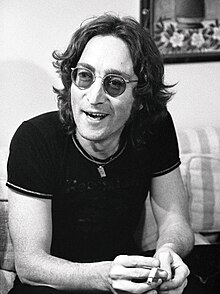
Introduction: The Icon of Peace and Music
John Lennon, born on October 9, 1940, in Liverpool, England, was more than just a musician—he was a cultural icon, a voice of a generation, and a symbol of peace. As one of the founding members of The Beatles, Lennon’s influence on music and popular culture is immeasurable. His legacy as a songwriter, activist, and visionary continues to inspire millions around the world.
Early Life and Formative Years
John Winston Lennon was born during a turbulent time, with World War II raging across Europe. His parents, Julia Stanley and Alfred Lennon, separated when John was very young. Alfred, a merchant seaman, was often absent, and after the separation, John was raised primarily by his aunt, Mimi Smith, in the Liverpool suburb of Woolton. Despite the strict upbringing by his aunt, Lennon’s rebellious spirit was evident from a young age.
Lennon’s early years were marked by a sense of longing and displacement. His relationship with his mother, Julia, was complex and deeply influential. Julia introduced John to music, teaching him how to play the banjo and encouraging his early interest in rock and roll. However, tragedy struck in 1958 when Julia was killed in a car accident, a loss that profoundly affected Lennon and influenced much of his later work.
Lennon attended Quarry Bank High School, where he displayed a penchant for art and literature, though his rebellious nature often got him into trouble. It was during these formative years that Lennon’s love for music began to take shape, leading to the formation of his first band, The Quarrymen, in 1956. This group would eventually evolve into The Beatles.
The Beatles: Rise to Global Fame
The formation of The Beatles in the early 1960s marked the beginning of a cultural revolution. Alongside Paul McCartney, George Harrison, and Ringo Starr, John Lennon helped to create a new sound that would take the world by storm. The Beatles’ unique blend of rock, pop, and innovative songwriting quickly garnered them a massive following.
Lennon’s partnership with Paul McCartney became one of the most successful and celebrated collaborations in music history. Together, they wrote some of the most iconic songs of the 20th century, including “Help!,” “A Hard Day’s Night,” “Yesterday,” and “Let It Be.” Lennon’s distinct voice and sharp wit, combined with McCartney’s melodic sensibilities, created a musical synergy that was unparalleled.
The Beatles’ impact extended beyond music; they became symbols of the counterculture movement of the 1960s, advocating for peace, love, and social change. Songs like “All You Need Is Love” and “Revolution” became anthems for a generation seeking to break free from the constraints of the past.
Despite their global success, tensions within the band began to surface towards the end of the decade. The Beatles officially disbanded in 1970, marking the end of an era. However, Lennon’s career was far from over.
Solo Career and Political Activism
Following the breakup of The Beatles, John Lennon embarked on a solo career that allowed him to explore his musical and personal interests more freely. His solo work was marked by a raw, introspective quality that reflected his experiences and views on life. His first solo album, “Plastic Ono Band,” released in 1970, was a stark departure from the polished sound of The Beatles, featuring songs like “Mother” and “Working Class Hero” that dealt with themes of pain, loss, and disillusionment.
One of Lennon’s most enduring contributions to music came in 1971 with the release of the album “Imagine.” The title track, “Imagine,” became an instant classic and is widely regarded as one of the greatest songs of all time. The song’s lyrics, which envision a world of peace and unity, have become a universal anthem for hope and humanism.
Lennon’s solo career was also marked by his outspoken political activism. Alongside his second wife, Yoko Ono, Lennon became a vocal advocate for peace and social justice. The couple’s “Bed-Ins for Peace” in 1969 were highly publicized events aimed at promoting world peace during the Vietnam War. They also released the song “Give Peace a Chance,” which became an anti-war anthem.
Lennon’s activism extended beyond music. He was an ardent supporter of various social causes, including civil rights, feminism, and environmentalism. His political views often put him at odds with authorities, particularly in the United States, where he faced deportation attempts by the Nixon administration due to his outspoken opposition to the Vietnam War.
Personal Life: Love, Loss, and Relationships
John Lennon’s personal life was as complex and multifaceted as his music. His first marriage to Cynthia Powell in 1962 resulted in the birth of his first son, Julian Lennon. However, the pressures of fame and Lennon’s growing disenchantment with his life led to the eventual breakdown of the marriage. The couple divorced in 1968.
Lennon’s relationship with Yoko Ono, whom he met in 1966, was one of the most significant and controversial aspects of his life. Ono, an avant-garde artist, had a profound influence on Lennon’s life and work. Their relationship was often met with criticism from fans and the media, who blamed Ono for The Beatles’ breakup. Despite this, Lennon and Ono remained inseparable, collaborating on numerous artistic and musical projects.
The couple married in 1969 and became a symbol of love and peace, often using their platform to promote social causes. In 1975, Lennon and Ono welcomed their son, Sean Lennon. Following Sean’s birth, Lennon took a hiatus from music to focus on raising his son, a decision that reflected his desire to be a more present and involved father than he had been with Julian.
Legacy: The Lasting Impact of John Lennon
John Lennon’s legacy is one of profound influence and inspiration. His music, both with The Beatles and as a solo artist, continues to resonate with listeners around the world. Songs like “Imagine,” “Instant Karma!,” and “Across the Universe” have become timeless classics, celebrated for their lyrical depth and emotional resonance.
Lennon’s commitment to peace and social justice has also left a lasting impact. His activism, though controversial at times, helped to bring attention to important issues and inspired others to use their platforms for positive change. Lennon’s message of peace, love, and unity remains as relevant today as it was during his lifetime.
Tragically, Lennon’s life was cut short on December 8, 1980, when he was assassinated by Mark David Chapman outside his residence at The Dakota in New York City. Lennon’s death sent shockwaves around the world, and he was mourned by millions of fans. His passing marked the loss of one of the most influential and beloved figures in modern history.
Historical Context and Cultural Significance
To fully understand John Lennon’s impact, it is essential to consider the historical and cultural context in which he lived and created. Lennon’s career unfolded during a time of significant social and political change, particularly in the 1960s and 1970s. The civil rights movement, the counterculture revolution, and the Vietnam War were all defining elements of this era, and Lennon was both a participant in and a product of these turbulent times.
Lennon’s music often reflected the social consciousness of the period. The Beatles’ early work, with its themes of love and youthful exuberance, provided a soundtrack for the optimistic spirit of the early 1960s. As the decade progressed and the world became more complex and divided, Lennon’s music evolved to address more serious and introspective themes, such as alienation, identity, and the quest for peace.
Lennon’s embrace of avant-garde art and his willingness to challenge societal norms also positioned him as a countercultural figure. His relationship with Yoko Ono, his experimentation with music and art, and his political activism all contributed to his status as a symbol of resistance to the establishment.
Moreover, Lennon’s influence extended beyond music and activism. He was a fashion icon, known for his distinctive style, including his round glasses and long hair. His image became synonymous with the peace movement, and even today, his likeness is used in various forms of media to represent ideals of peace and freedom.
Conclusion: The Enduring Legacy of John Lennon
John Lennon’s life was a testament to the power of art, music, and activism. His journey from a rebellious youth in Liverpool to one of the most influential figures in modern history is a story of creativity, courage, and conviction. Lennon’s ability to connect with people on a deeply emotional level, whether through his music or his activism, has ensured that his legacy endures long after his untimely death.
Lennon’s message of peace, love, and understanding continues to inspire new generations of artists, musicians, and activists. His work remains a powerful reminder of the potential for art to change the world and the importance of standing up for one’s beliefs.
As we remember John Lennon, we are reminded of the impact that one person can have on the world. His life and legacy serve as a beacon of hope and a call to action for all who seek to make the world a better place.


