
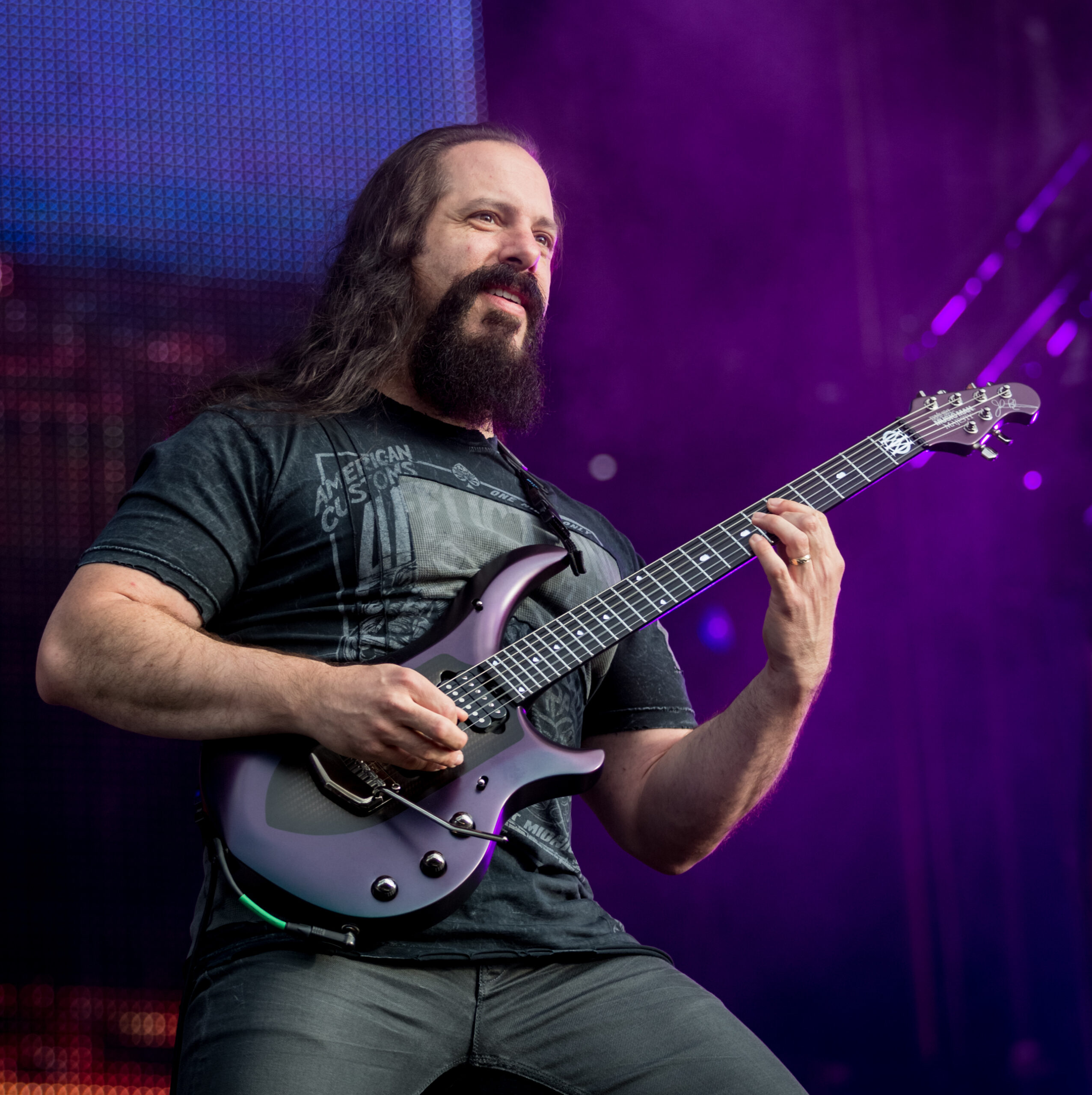
John Petrucci, born on July 12, 1967, in Long Island, New York, is one of the most acclaimed and virtuosic guitarists in the rock world. Known for his work with the progressive metal band Dream Theater, Petrucci has established himself as a leading figure in modern rock through his exceptional technique, innovative compositions, and influential performances. This article delves into Petrucci’s life, career, and the factors contributing to his fame and success.
Early Life and Musical Beginnings
John Petrucci’s journey into music began at a young age. Influenced by his musical family—his sister played the organ, his brother played bass, and his younger sister studied the clarinet—Petrucci was drawn to the guitar when he was just eight years old. His early exposure to music and his family’s encouragement played a significant role in shaping his future career.
First Steps in Music
Petrucci’s initial interest in the guitar was inspired by his sister’s dedication to music. He briefly abandoned the instrument but returned to it at the age of twelve, driven by a growing passion and the influence of his friend Kevin Moore, who later became his collaborator in Dream Theater. During this period, Petrucci was deeply influenced by guitar legends such as Steve Morse, Steve Vai, Yngwie Malmsteen, and Eddie Van Halen. These influences helped him develop a distinct style characterized by technical precision and melodic innovation.
Education and Early Career
Determined to refine his skills, Petrucci enrolled at the Berklee College of Music in Boston. It was here that he met future bandmates John Myung and Mike Portnoy, with whom he would later form Dream Theater. Petrucci’s time at Berklee was instrumental in his development as a musician, providing him with a solid foundation in music theory, composition, and jazz harmony.
Formation of Dream Theater
In 1985, Petrucci, Myung, and Portnoy formed a band initially named Majesty. Due to a pre-existing band with the same name, they soon rebranded as Dream Theater. The band’s lineup was completed with keyboardist Kevin Moore and vocalist Charlie Dominici. Their debut album, “When Dream and Day Unite,” released in 1989, showcased their technical prowess and innovative approach to progressive metal.
Breakthrough with “Images and Words”
Dream Theater’s 1992 album, “Images and Words,” marked a significant milestone in their career. The album was groundbreaking for its complex compositions and intricate musicianship, setting a new standard in the progressive metal genre. The addition of Canadian vocalist James LaBrie, who brought a unique vocal style to the band, further elevated their sound. “Images and Words” remains a cornerstone of Dream Theater’s discography and a defining work in progressive metal.
Continued Success and Evolution
The band’s lineup has seen changes over the years, particularly with shifts in keyboardists, but the core trio of Petrucci, Myung, and Portnoy has remained consistent. Dream Theater’s subsequent albums, including “Awake” (1994), “Metropolis Pt. 2: Scenes from a Memory” (1999), and “Systematic Chaos” (2007), have solidified their reputation as pioneers in the genre. Each release demonstrates Petrucci’s evolution as a guitarist and composer, reflecting his ongoing commitment to pushing the boundaries of progressive metal.
Solo Career and Collaborations
In addition to his work with Dream Theater, Petrucci has pursued a successful solo career. His debut solo album, “Suspended Animation,” released in 2005, showcases his exceptional guitar skills and compositional talents. The album received positive reviews for its technical brilliance and diverse musical styles.
“Liquid Tension Experiment”
Petrucci’s involvement in the instrumental progressive metal project Liquid Tension Experiment further highlights his versatility as a musician. Formed with drummer Mike Portnoy, bassist Tony Levin, and keyboardist Jordan Rudess, the band released two critically acclaimed albums in 1998 and 1999. The project allowed Petrucci to explore complex musical ideas and collaborate with other top-tier musicians.
Notable Collaborations
Petrucci’s collaborations extend beyond Dream Theater and Liquid Tension Experiment. He has been a featured artist in Joe Satriani’s G3 tour, sharing the stage with other renowned guitarists. Petrucci has also worked with various artists and contributed to numerous projects, further establishing his influence in the rock and metal communities.
Signature Techniques and Style
John Petrucci’s guitar technique is renowned for its precision, speed, and complexity. His signature style includes elements of “shredding,” a technique characterized by rapid note sequences and intricate solos. Despite the technical nature of his playing, Petrucci maintains a strong focus on melody and musicality, distinguishing him from other virtuosos who prioritize technique over musicality.
Influence and Innovation
Petrucci’s influence on modern rock and metal is significant. His innovative approach to guitar playing and composition has inspired a new generation of musicians. His use of extended techniques, complex time signatures, and elaborate arrangements has set a high standard for progressive metal and beyond.
Contributions to Guitar Technology
Petrucci’s impact extends to the development of guitar technology. He has collaborated with major guitar manufacturers, including Ibanez and Ernie Ball/Music Man, to design signature models that reflect his playing style and technical requirements. These instruments are highly regarded for their playability and tonal quality, contributing to Petrucci’s legacy as a leading guitarist.
Personal Life and Interests
Beyond his professional achievements, John Petrucci is known for his dedication to his family and his interests outside of music. He resides in New York with his wife, Rena, and their three children. Petrucci’s personal life is marked by a commitment to maintaining a balance between his demanding career and family responsibilities.
Teaching and Educational Contributions
Petrucci is also involved in educational initiatives, sharing his expertise with aspiring musicians. He has contributed to guitar magazines and instructional videos, offering insights into his techniques and creative processes. His role as a mentor and educator reflects his commitment to nurturing the next generation of musicians.
Hobbies and Extracurricular Interests
In addition to his musical pursuits, Petrucci has a range of hobbies and interests. He is an avid reader and draws inspiration from literature and philosophy. His passion for visual arts and film also influences his creative work, enriching his approach to music and composition.
Challenges and Criticisms
Despite his success, John Petrucci has faced challenges and criticisms throughout his career. The competitive nature of the music industry and evolving trends have required him to adapt and innovate continuously.
Industry Changes
The music industry’s transformation due to digital technologies and shifting consumer preferences has impacted how artists promote and distribute their work. Petrucci has navigated these changes by embracing new platforms and exploring diverse musical styles.
Public Perception
As with many high-profile artists, Petrucci has faced varying public perceptions. While he is celebrated for his technical mastery and contributions to progressive metal, some critics argue that his focus on complex compositions can overshadow melodic elements. Nevertheless, Petrucci’s commitment to musical innovation and his influence on the genre remain undeniable.
Legacy and Impact
John Petrucci’s legacy as a guitarist and composer is firmly established. His contributions to Dream Theater, his solo work, and his collaborations have left an indelible mark on the world of rock and metal. His innovative approach to guitar playing and his dedication to pushing musical boundaries continue to inspire musicians and fans alike.
Cultural Influence
Petrucci’s impact on progressive metal and rock is profound. His work has influenced numerous bands and guitarists, shaping the genre’s development and pushing its limits. As a trailblazer in modern rock, Petrucci’s contributions are recognized and celebrated worldwide.
Future Prospects
Looking forward, John Petrucci’s future in music remains bright. His ongoing dedication to innovation and his role as a mentor and educator suggest that he will continue to play a significant role in shaping the future of rock and metal. As he explores new creative avenues and collaborates with other artists, Petrucci’s influence on the genre is likely to endure.
Conclusion
John Petrucci’s journey from a young guitarist in Long Island to a renowned figure in progressive metal is a testament to his talent, dedication, and resilience. His contributions to music and his impact on the genre are significant, reflecting a career marked by innovation, technical excellence, and artistic growth. As he continues to push the boundaries of rock and metal, Petrucci’s legacy as a leading guitarist and composer will undoubtedly endure.


