
Introduction
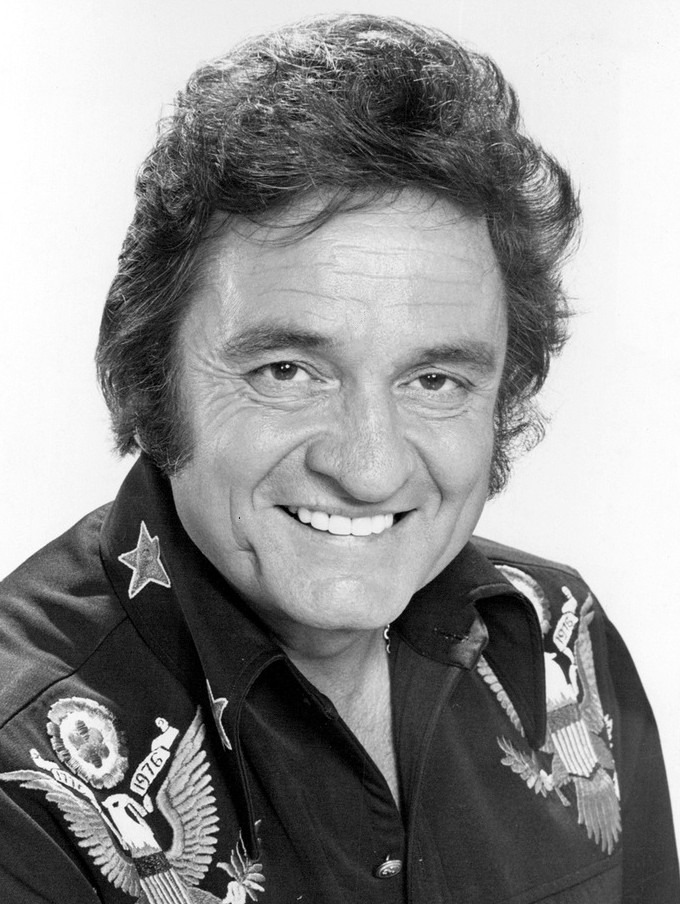
Johnny Cash, often revered as the “Man in Black,” is one of the most iconic figures in American music history. His deep, resonant voice and poignant storytelling captured the essence of the American experience, blending country, rock, gospel, and blues into a unique sound that resonated with millions. Cash’s life, marked by both staggering success and profound struggles, is a testament to his resilience, creativity, and enduring influence on the music industry.
Early Life and Background
Johnny Cash was born J.R. Cash on February 26, 1932, in Kingsland, Arkansas. His upbringing in a large, impoverished farming family in the heart of the American South deeply influenced his music. Cash’s early life was steeped in the hardships of the rural South, a region marked by poverty, hard labor, and a deep connection to the land. As a child, he worked alongside his family in the cotton fields, an experience that would later inform much of his songwriting.
The Cash family was also deeply religious, and young Johnny’s first musical experiences were rooted in the church. Gospel music, with its themes of redemption and suffering, became a cornerstone of his artistic identity. However, it wasn’t just gospel that shaped him. The country music broadcast on local radio stations introduced him to the sounds and stories of rural America, further fueling his passion for music.
Tragedy struck the Cash family in 1944 when Johnny’s older brother, Jack, died in a horrific accident involving a circular saw. Jack’s death had a profound impact on Johnny, instilling in him a deep sense of guilt and a preoccupation with themes of mortality and redemption that would permeate his music.
Military Service and Musical Beginnings
After finishing high school, Cash enlisted in the United States Air Force in 1950. It was during his time stationed in Germany that he purchased his first guitar and began to seriously pursue music. Cash taught himself to play the guitar and started writing songs, many of which reflected the loneliness and homesickness he felt while stationed abroad.
In 1954, after his discharge from the military, Cash moved to Memphis, Tennessee, where he worked as a door-to-door appliance salesman while trying to break into the music industry. His big break came when he auditioned for Sam Phillips at Sun Records. Phillips was initially unimpressed, but Cash’s persistence paid off, and he eventually secured a recording contract with the label.
Rise to Fame
Cash’s first major hit came in 1955 with the release of “Folsom Prison Blues,” a song inspired by a documentary he had seen about the notorious Folsom Prison. The song’s haunting lyrics and Cash’s distinctive voice quickly captured the attention of listeners, propelling him to national fame.
In 1957, Cash released his debut album, “Johnny Cash with His Hot and Blue Guitar,” which included hits like “I Walk the Line” and “Cry! Cry! Cry!” The album was a critical and commercial success, establishing Cash as one of the leading figures in country music.
As his fame grew, so did the pressures of life on the road. Cash struggled with the demands of touring, and by the early 1960s, he had developed a serious addiction to amphetamines and barbiturates. His drug use began to take a toll on his health, his voice, and his personal life. Despite these challenges, Cash continued to produce hit records and was a regular presence on the country music charts.
The Man in Black
In 1963, Cash released “Ring of Fire,” one of his most successful and enduring hits. The song, co-written by his future wife June Carter and Merle Kilgore, topped the country charts and remains one of his most recognizable tracks. Around this time, Cash also began to cultivate his “Man in Black” persona, frequently dressing in black as a symbol of his solidarity with the poor, the oppressed, and those who had been forgotten by society.
The late 1960s were a tumultuous period for Cash. His drug addiction had spiraled out of control, leading to a string of arrests and near-fatal overdoses. In 1965, he was arrested in El Paso, Texas, for smuggling amphetamines across the Mexican border, and in 1967, he was hospitalized after a near-fatal overdose. Despite these personal struggles, Cash’s career continued to thrive.
One of the most significant moments in Cash’s career came in 1968 when he performed at Folsom State Prison. The live recording of the concert, “Johnny Cash at Folsom Prison,” was a critical and commercial success, revitalizing Cash’s career and solidifying his status as a cultural icon. The album’s raw, unvarnished portrayal of prison life resonated with listeners and remains one of Cash’s most acclaimed works.
A Career Renaissance
By the early 1970s, Cash’s health and personal life had stabilized, thanks in large part to his marriage to June Carter in 1968. Carter, a member of the legendary Carter Family, played a crucial role in helping Cash overcome his addiction and find stability in his personal life.
In 1969, Cash launched “The Johnny Cash Show,” a television variety show that featured musical performances by Cash and his guests, as well as comedy sketches and interviews. The show was a hit, further cementing Cash’s status as a cultural icon.
Throughout the 1970s, Cash continued to record and tour, releasing a string of successful albums, including “Man in Black” (1971) and “A Thing Called Love” (1972). He also expanded his career into acting, appearing in several films and television shows.
However, by the late 1970s and early 1980s, Cash’s popularity began to wane. The rise of new country artists and changing musical tastes left Cash struggling to stay relevant in an increasingly competitive industry. Despite these challenges, Cash remained a respected figure in the music industry, and his influence on younger artists was undeniable.
The American Recordings
In 1993, Cash experienced a career renaissance when he began working with producer Rick Rubin. Rubin, known for his work with hip-hop and rock artists, helped Cash reinvent his sound, stripping it down to its raw essentials. The result was “American Recordings,” a stark, acoustic album that featured Cash’s voice and guitar at the forefront. The album was a critical and commercial success, earning Cash a new generation of fans and revitalizing his career.
Over the next decade, Cash released several more albums in the “American” series, including “Unchained” (1996), “American III: Solitary Man” (2000), and “American IV: The Man Comes Around” (2002). These albums featured a mix of original songs and covers, including Cash’s haunting rendition of Nine Inch Nails’ “Hurt,” which became one of his most iconic recordings.
Legacy and Final Years
Johnny Cash’s final years were marked by both creative resurgence and personal loss. In 2003, he released “American IV: The Man Comes Around,” which included “Hurt,” a song that many consider to be Cash’s farewell to the world. The music video for “Hurt” won critical acclaim and several awards, further solidifying Cash’s status as a musical legend.
However, Cash’s health had been deteriorating for years. He had been diagnosed with a neurodegenerative disease, and in May 2003, June Carter Cash passed away, leaving Johnny devastated. Just four months later, on September 12, 2003, Johnny Cash passed away at the age of 71 due to complications from diabetes.
Despite his passing, Johnny Cash’s influence continues to be felt across the music industry. His ability to blend different genres and his commitment to storytelling have left an indelible mark on American music. Cash’s life was a testament to the power of music to transcend personal struggles and connect with people on a profound level.
Conclusion
Johnny Cash was more than just a musician; he was a symbol of the American experience. His music, deeply rooted in the traditions of country, gospel, and blues, spoke to the struggles and triumphs of everyday people. Through his songs, Cash gave voice to the voiceless and shed light on the darker corners of the human condition. His legacy as the “Man in Black” endures, reminding us of the power of music to heal, inspire, and bring people together.


