
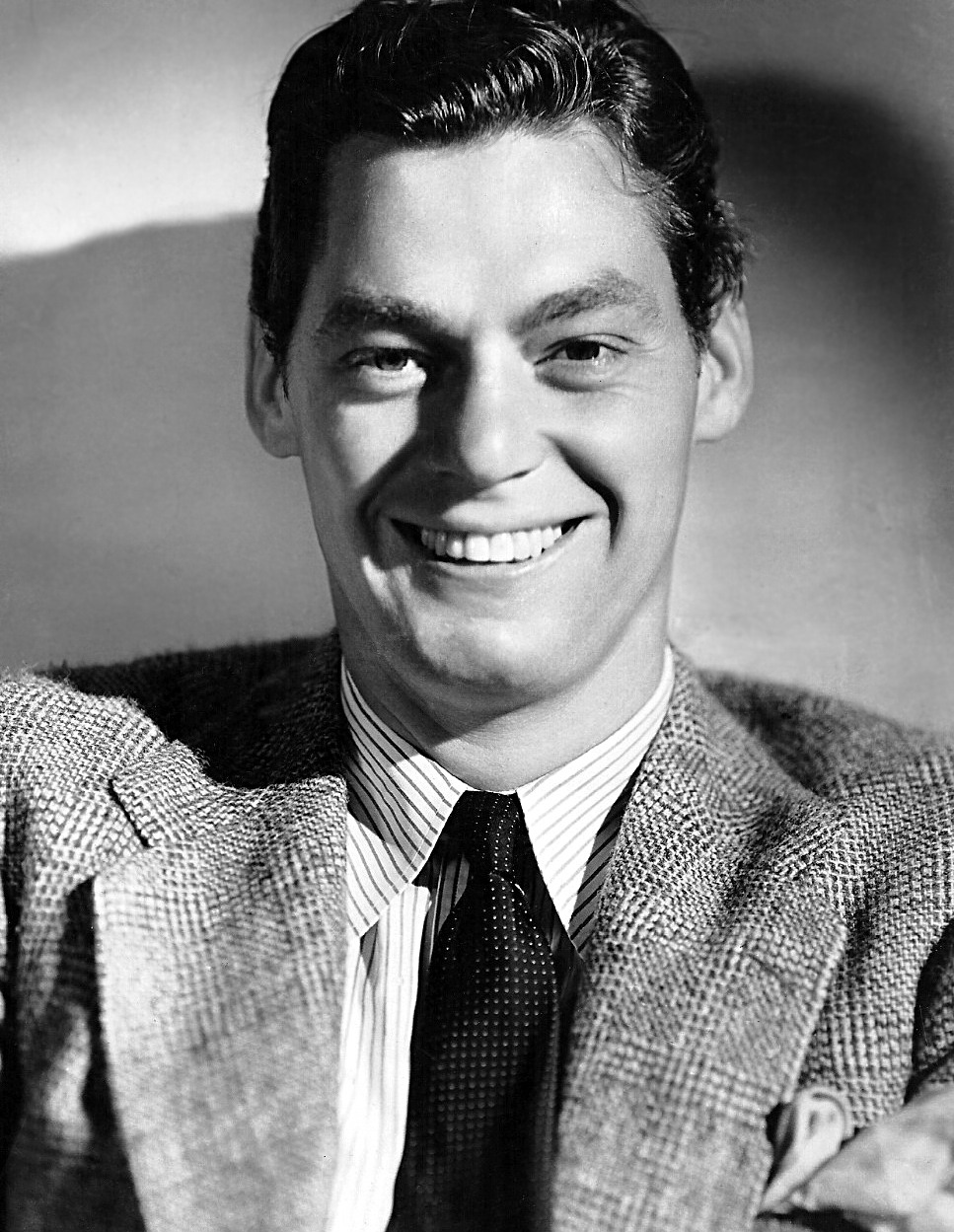
Johnny Weissmuller, born János Weißmüller on June 2, 1904, in Freidorf, then part of the Austro-Hungarian Empire (now Timișoara, Romania), is a name that resonates with both sports enthusiasts and classic film lovers. Renowned for his unparalleled achievements as a swimmer and his iconic portrayal of Tarzan in a series of Hollywood films, Weissmuller’s life story is one of extraordinary talent, determination, and lasting cultural impact.
Early Life and Emigration to the United States
Weissmuller’s early life was marked by the challenges of immigration and adaptation. Shortly after his birth, his family emigrated from Europe to the United States, seeking better opportunities. The Weissmuller family arrived in New York in 1905 after a 12-day journey across the Atlantic. They were registered at Ellis Island under the names Peter, Elizabeth, and Johann Weissmuller, marking the start of their new life in America.
The family eventually settled in Chicago, where young Johnny and his brother, Peter, developed a passion for swimming. The Weissmuller brothers frequently visited the beaches of Lake Michigan, where Johnny’s natural talent for swimming quickly became evident. Despite his family’s modest means, Johnny pursued his passion, eventually joining the swim team at the local YMCA. This early exposure to competitive swimming would lay the foundation for his future success.
Rise to Fame in Swimming
Johnny Weissmuller’s swimming career began to take off when he started training at the Illinois Athletic Club. There, he honed his skills and developed a revolutionary swimming technique—the “crawl”—which would later contribute to his dominance in the sport.
Weissmuller’s first major breakthrough came on August 6, 1921, when he made his debut at the U.S. National Championships. He won the 50-yard freestyle, marking the beginning of a stellar career. However, Weissmuller faced a significant challenge: he was born in Europe, and he feared that this might disqualify him from representing the United States in the Olympics. To circumvent this, Weissmuller claimed he was born in Windber, Pennsylvania, using the birth date of his younger brother, Peter Jr. This ruse allowed him to obtain a U.S. passport and, ultimately, compete for the U.S. Olympic team.
In 1922, Weissmuller broke his first world record in the 100-meter freestyle, surpassing the previous record held by Hawaiian swimmer Duke Kahanamoku. This achievement solidified his status as one of the top swimmers in the world.
Olympic Glory
Weissmuller’s Olympic career is nothing short of legendary. At the 1924 Paris Olympics, he won three gold medals: one in the 100-meter freestyle, one in the 400-meter freestyle, and another as part of the 4×200-meter freestyle relay team. In addition, he earned a bronze medal as a member of the U.S. water polo team. His success continued at the 1928 Amsterdam Olympics, where he secured two more gold medals, further establishing himself as one of the greatest swimmers of all time.
Throughout his competitive career, Weissmuller set 67 world records and won 52 U.S. National Championships. Remarkably, he never lost a single race, making him the first Olympic athlete to retire undefeated.
Transition to Hollywood and the Role of Tarzan
Weissmuller’s success in the pool led to numerous endorsements and sponsorship deals, including a contract with a swimwear brand that took him on promotional tours across the country. However, his life took a dramatic turn in 1932 when he was cast in the role that would define his career: Tarzan, the ape man.
The opportunity to play Tarzan came when Herman Brix, the actor originally cast in the role, was injured. Weissmuller was offered the part, and the rest, as they say, is history. He signed a seven-year contract with Metro-Goldwyn-Mayer (MGM) and made his debut as Tarzan in Tarzan the Ape Man (1932). The film was a massive success, propelling Weissmuller to international stardom.
Weissmuller brought a unique blend of athleticism and charisma to the role of Tarzan. His physical prowess, honed through years of competitive swimming, made him a natural fit for the physically demanding role. Additionally, his interpretation of Tarzan as a noble and kind-hearted character resonated with audiences, cementing his status as the definitive portrayal of the jungle hero.
Weissmuller starred in a total of 12 Tarzan films, six with MGM and six with RKO Pictures. His portrayal of Tarzan became so iconic that even today, when people think of the character, it is often Weissmuller’s face and physique that come to mind. The famous Tarzan yell, which Weissmuller performed in the films, became one of the most recognizable sounds in cinematic history.
Life Beyond Tarzan: Jungle Jim and Later Years
After his successful run as Tarzan, Weissmuller transitioned to another jungle-themed role: Jungle Jim. In 1948, he starred in Jungle Jim, a film about a hunter and adventurer. The film’s success led to a series of 12 Jungle Jim movies and a television series that ran for 26 episodes.
While Weissmuller continued to enjoy success in Hollywood, his personal life was marked by a series of marriages and divorces. He was married five times, with his spouses including singer Bobbe Arnst, actress Lupe Vélez, Beryl Scott, and Allene Gates. His fifth and final marriage was to Maria Bauman, with whom he remained until his death. Weissmuller had three children with Beryl Scott: Johnny Weissmuller Jr., Wendy Anne Weissmuller, and Heidi Elizabeth Weissmuller.
In the late 1950s, Weissmuller retired from acting and returned to Chicago, where he opened a swimming pool and lent his name to various business ventures, though these were not particularly successful. In 1965, he moved to Fort Lauderdale, Florida, where he founded the International Swimming Hall of Fame and served as its president. Weissmuller remained active in the swimming community and was a respected figure in the sport until the end of his life.
Legacy and Final Years
Johnny Weissmuller’s contributions to both sports and entertainment left an indelible mark on popular culture. His achievements as a swimmer set a high standard for future generations, and his portrayal of Tarzan became the definitive image of the character for millions of fans around the world.
In the 1970s, Weissmuller’s health began to decline. After fracturing his hip and leg in 1974, he was diagnosed with a heart condition that would continue to deteriorate. Despite these challenges, he remained active in public life, making his final film appearance in 1976 and being inducted into the Bodybuilding Hall of Fame that same year.
Weissmuller suffered multiple heart attacks in 1977, leading to a long period of hospitalization. In his later years, he moved to Acapulco, Mexico, with his wife Maria, where he spent his final days. Johnny Weissmuller passed away on January 20, 1984, from a pulmonary edema. His death marked the end of an era, but his legacy as a sports icon and Hollywood legend endures.
Today, Johnny Weissmuller is remembered not only as one of the greatest swimmers in history but also as a symbol of physical strength, athleticism, and cinematic heroism. His contributions to swimming have been recognized with numerous accolades, and his portrayal of Tarzan continues to be celebrated as one of the most iconic in film history.
Conclusion
Johnny Weissmuller’s life is a remarkable story of talent, determination, and cultural impact. From his humble beginnings as an immigrant in Chicago to his rise as an Olympic champion and Hollywood star, Weissmuller’s achievements are a testament to his extraordinary abilities both in and out of the pool.
As the definitive Tarzan, Weissmuller captured the imaginations of millions, creating a lasting image of the jungle hero that remains unmatched to this day. His influence extends beyond his performances, as his achievements in swimming set new standards for the sport and inspired generations of athletes.
In the annals of sports and entertainment history, Johnny Weissmuller stands out as a true legend, whose legacy will continue to inspire and entertain for generations to come.


