
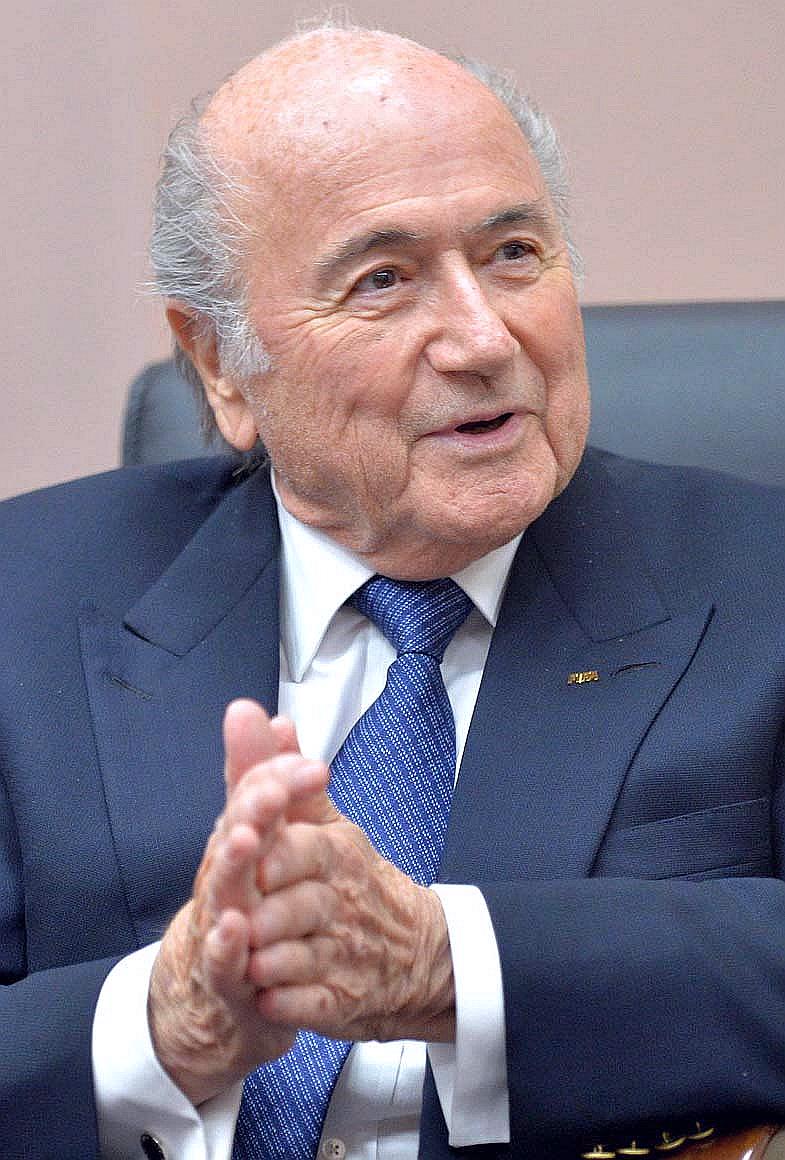
Joseph “Sepp” Blatter is a name that resonates powerfully in the world of international football. As the former president of FIFA (Fédération Internationale de Football Association), Blatter’s tenure was marked by significant achievements, controversies, and a lasting impact on the sport. This comprehensive exploration delves into the life of Joseph Blatter, examining his age, rise to fame, career milestones, and enduring legacy in the football world.
Early Life and Background
Joseph Blatter was born on March 10, 1936, in Visp, a small town in the Swiss Alps. Growing up in a modest family, Blatter’s early life was characterized by a strong work ethic and a passion for sports, particularly football. His upbringing in Switzerland, a country known for its neutrality and precision, influenced his approach to both his career and leadership style.
Childhood and Education
Blatter’s childhood was steeped in the values of discipline and perseverance. He attended the Collège de Saint-Maurice, where he excelled academically and athletically. His educational journey continued at the University of Lausanne, where he earned a degree in business and economics. This academic foundation provided him with the skills and knowledge that would later prove invaluable in his professional career.
Rise to Fame
Joseph Blatter’s rise to fame in the football world was the result of a combination of strategic acumen, dedication, and a deep understanding of the sport’s global dynamics. His journey from a young football enthusiast to the most powerful figure in international football was marked by a series of pivotal moments and achievements.
Early Career and Entry into FIFA
Blatter’s professional career began in the world of sports administration. He held various positions, including serving as the general secretary of the Swiss Ice Hockey Federation and working in public relations for the Swiss tourism board. His entry into FIFA came in 1975 when he was appointed as the Technical Director. This role allowed him to gain a deep understanding of the organization’s operations and the intricacies of international football governance.
Ascension to FIFA Presidency
In 1998, after serving as FIFA’s General Secretary for 17 years, Blatter was elected as the President of FIFA, succeeding João Havelange. His election marked the beginning of an era characterized by both significant growth in the global reach of football and controversies that would later mar his legacy. Blatter’s leadership style, characterized by assertiveness and a keen sense of diplomacy, played a crucial role in his ascension to the presidency and his ability to maintain power.
Major Career Milestones
During his tenure as FIFA President, Joseph Blatter achieved numerous milestones that significantly impacted the world of football. His leadership saw both the expansion of the sport’s global footprint and the introduction of various initiatives aimed at improving the game.
Expansion of the World Cup
One of Blatter’s most notable achievements was the expansion of the FIFA World Cup. Under his leadership, the tournament grew to include more teams and reached new regions, thereby increasing its global appeal. The 2010 FIFA World Cup in South Africa was a historic event, marking the first time the tournament was held on the African continent. This move was seen as a significant step in promoting football in underrepresented regions and fostering global unity through sport.
Women’s Football Development
Blatter also championed the development of women’s football. He played a key role in promoting the FIFA Women’s World Cup and increasing investment in women’s football programs. His efforts contributed to the growing popularity and professionalization of women’s football worldwide, providing more opportunities for female athletes and increasing the visibility of the sport.
Introduction of Technological Innovations
Blatter’s tenure saw the introduction of various technological innovations aimed at improving the accuracy and fairness of the game. The implementation of goal-line technology and the use of video assistant referees (VAR) were significant steps in modernizing football and addressing long-standing issues related to officiating errors.
Personal Life
Joseph Blatter’s personal life has been as eventful as his professional career. His relationships, experiences, and interests outside of football have shaped his public persona and influenced his approach to leadership.
Family and Relationships
Blatter has been married three times and has one daughter, Corinne Blatter-Andenmatten. His personal relationships have often been the subject of media scrutiny, with his marriages and divorces attracting significant attention. Despite the challenges in his personal life, Blatter has maintained close ties with his family and has often spoken about the importance of their support in his career.
Interests and Hobbies
Beyond football, Blatter has a keen interest in various cultural and social activities. He is known for his love of music and the arts, often attending concerts and cultural events. His diverse interests have contributed to his well-rounded personality and have helped him connect with people from different backgrounds and cultures.
Public Image and Legacy
Joseph Blatter’s public image is a complex blend of achievements and controversies. While he is credited with expanding the global reach of football and implementing important initiatives, his legacy is also marred by scandals and allegations of corruption.
Achievements and Contributions
Blatter’s contributions to football are significant and far-reaching. He played a crucial role in transforming FIFA into a global powerhouse, increasing its revenue, and expanding its influence. His efforts in promoting the World Cup and developing women’s football have had a lasting impact on the sport.
Controversies and Scandals
Blatter’s tenure as FIFA President was also marked by numerous controversies. Allegations of corruption, bribery, and mismanagement plagued his leadership, culminating in a series of investigations by various authorities. In 2015, Blatter was banned from football-related activities for eight years (later reduced to six years) by the FIFA Ethics Committee, following allegations of unethical conduct. These controversies have significantly tarnished his reputation and overshadowed many of his achievements.
Historical Context and Nuances
To fully understand Joseph Blatter’s impact on football, it is essential to consider the historical context in which he operated. The late 20th and early 21st centuries were periods of significant change and growth for football, with increasing commercialization and globalization shaping the sport.
Commercialization of Football
Blatter’s tenure coincided with the rapid commercialization of football. Under his leadership, FIFA secured lucrative sponsorship deals and broadcasting rights, significantly increasing the organization’s revenue. This commercialization transformed football into a global business, with major financial stakes and extensive media coverage. Blatter’s ability to navigate this commercial landscape was a key factor in his success, although it also led to accusations of prioritizing profits over the integrity of the game.
Globalization and Political Influence
The globalization of football during Blatter’s presidency also had significant political implications. The expansion of the World Cup and the promotion of football in new regions were seen as tools for fostering international diplomacy and cultural exchange. Blatter’s diplomatic skills and political acumen were instrumental in securing the support of various national football associations, helping him maintain his position of power within FIFA.
Recent Developments and Continued Influence
Although Joseph Blatter’s official involvement in football has ended, his influence on the sport continues to be felt. His legacy, both positive and negative, remains a topic of discussion among football enthusiasts and scholars.
Post-FIFA Activities
Since his departure from FIFA, Blatter has remained a vocal figure in the world of football. He has published books and given interviews, sharing his perspectives on the sport and reflecting on his tenure as FIFA President. His insights and experiences provide valuable context for understanding the complexities of football governance and the challenges faced by international sports organizations.
Ongoing Debates and Reforms
Blatter’s legacy continues to influence ongoing debates and reforms within FIFA and the broader football community. Issues related to governance, transparency, and ethics remain at the forefront of discussions, with many calling for continued reforms to address the problems that emerged during Blatter’s presidency. His tenure serves as a cautionary tale, highlighting the need for strong oversight and accountability in sports administration.
Conclusion
Joseph Blatter’s journey from a young boy in the Swiss Alps to the most powerful figure in international football is a story of ambition, achievement, and controversy. His impact on the sport is undeniable, with significant contributions to the expansion and development of football worldwide. However, his legacy is also marked by scandals and allegations of corruption, which have left a lasting stain on his reputation.
Blatter’s ability to navigate the complexities of football governance, his strategic acumen, and his dedication to promoting the sport have cemented his place in football history. As we continue to reflect on his legacy, it is essential to consider both the positive and negative aspects of his tenure, recognizing the lessons that can be learned from his leadership.
In the ever-evolving world of football, Joseph Blatter’s story serves as a reminder of the challenges and opportunities that come with leading a global sports organization. His influence will continue to shape the sport for years to come, providing valuable insights into the dynamics of football governance and the importance of maintaining the integrity of the game.


