
Introduction
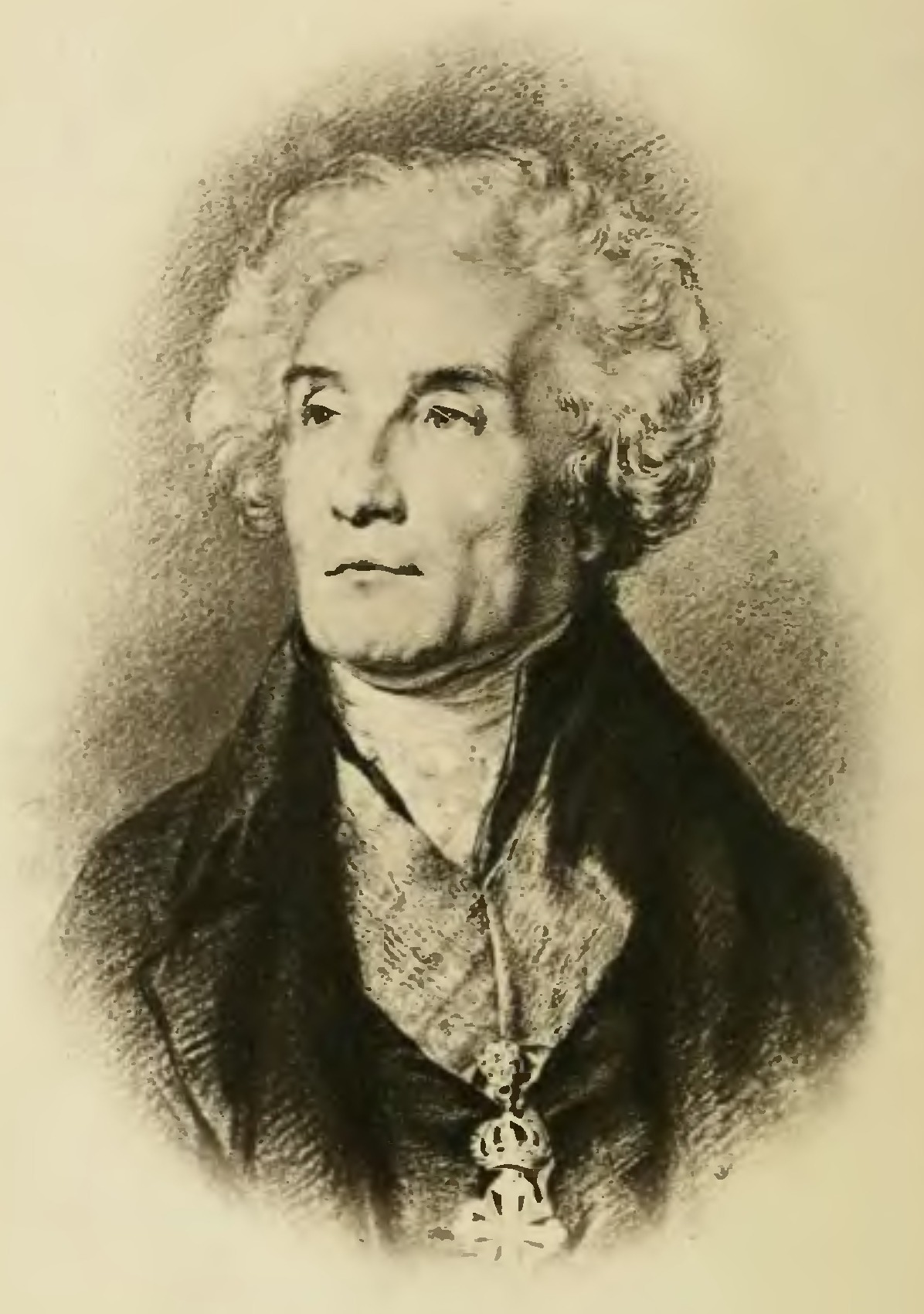
Joseph de Maistre, born on April 1, 1753, in Chambéry, France, stands as a pivotal figure in the realms of philosophy, politics, and theology. His life and work significantly shaped the intellectual landscape of his time, particularly during the post-revolutionary period in Europe. De Maistre’s contributions to conservative thought, his staunch opposition to the Enlightenment, and his influence on the counter-revolutionary movements make him a fascinating subject of study. This article delves deep into his life, exploring his age, fame, and the highlights that define his legacy.
Early Life and Background
Joseph de Maistre was born into a prominent family in Chambéry, which was part of the Kingdom of Savoy at the time. His father was a member of the Senate of Savoy, and young Joseph grew up in an intellectually stimulating environment. His mother and maternal grandfather played significant roles in his education, providing him access to a vast library and fostering his love for learning.
Educated by the Jesuits until their expulsion in 1763, de Maistre pursued a career in law, following in his father’s footsteps. He graduated with a degree in jurisprudence from the University of Turin, where he began his career as a magistrate. However, his intellectual pursuits were not confined to law; he had a profound interest in philosophy and theology, which would later define his work.
The Revolutionary Turn: From Enthusiast to Critic
Initially, de Maistre viewed the French Revolution with a certain degree of optimism. He believed that the revolutionary movements could curb the excesses of the Ancien Régime. However, his views shifted dramatically after the publication of “The Rights of Man and Citizen,” a key document of the French Revolution. He became a vehement critic of the revolution and its principles, seeing it as a destructive force that undermined the very fabric of society.
In 1792, following the French occupation of Savoy, de Maistre was forced to flee to Switzerland, where he joined other French émigrés. During this time, he began to develop his counter-revolutionary ideas, which he articulated in his work “Considerations on France.” This work earned him significant respect among conservative circles and established his reputation as a leading intellectual opponent of the Revolution.
Diplomatic Career and Exile
De Maistre’s life took a significant turn when he was appointed Regent of the Grand Chancellery of the Kingdom of Sardinia. His diplomatic skills were further recognized when King Victor Emmanuel I of Sardinia appointed him as ambassador to the Russian court in Saint Petersburg in 1802.
In Russia, de Maistre played a crucial role in advising Tsar Alexander I, particularly during the Napoleonic Wars. He successfully dissuaded the Tsar from implementing liberal reforms inspired by the Enlightenment and instead promoted the revival of the Jesuit order. However, his open support for the Jesuits eventually led to his downfall, and he was asked to leave the Russian court.
Despite the challenges, de Maistre’s time in Russia was one of intellectual productivity. He authored several significant works during this period, including “Essay on the Generative Principle of Political Constitutions,” “Examination of the Philosophy of Bacon,” and his magnum opus, “The St. Petersburg Dialogues.” The latter is considered one of his most important works, presenting a Socratic dialogue between de Maistre and two other characters, exploring the relationship between science, reason, tradition, and faith.
Return to Italy and Final Years
After the Congress of Vienna in 1818, de Maistre returned to Turin, where he resumed his position as Regent of the Grand Chancellery. He continued to write and published another major work, “On the Pope,” which further solidified his standing as a leading conservative thinker.
De Maistre’s influence extended beyond his lifetime, particularly through his writings on the role of the Church, the state, and his critique of Enlightenment philosophy. He passed away on February 26, 1821, surrounded by his family and friends. His final resting place is in the Church of Saints Martyrs in Turin, a city that had been central to his life and work.
Intellectual Legacy
Joseph de Maistre’s legacy is complex and multifaceted. He is often seen as one of the most prominent representatives of reactionary thought in the 19th century. His ideas were deeply rooted in a defense of tradition, authority, and religion, particularly the Catholic Church, as the bedrock of social order.
De Maistre’s critique of the Enlightenment was not just a rejection of its ideas but also a profound meditation on the dangers he perceived in the separation of reason from faith. He argued that human reason alone, without the guiding hand of divine authority, was insufficient to govern society. This perspective positioned him as a counterpoint to the prevailing intellectual currents of his time, particularly those that championed human reason, individual rights, and secular governance.
His writings have been both celebrated and criticized. On one hand, they are lauded for their rhetorical power, depth of insight, and unwavering commitment to his principles. On the other hand, critics argue that his ideas are overly rigid, reactionary, and out of step with the progress of modern thought.
Influence on Political Thought
Joseph de Maistre’s influence on political thought is undeniable. His work has been cited by various conservative thinkers and movements, particularly those advocating for a return to traditional values and skepticism of modernity’s promises. His ideas have also found resonance in the concept of political realism, where the limits of human reason and the importance of authority and order are emphasized.
One of his most famous concepts is the idea of “providential history,” where he viewed historical events as guided by divine will rather than human agency. This belief in the divine orchestration of history was central to his critique of the French Revolution, which he saw as a rebellion not just against the state but against divine order itself.
De Maistre also had a profound impact on the development of Catholic social thought. His defense of the Church’s role in governance and his critique of secularism influenced the later development of Catholic political theory, particularly in the 19th and early 20th centuries.
Historical Context and Nuances
To fully appreciate Joseph de Maistre’s contributions, it is essential to understand the historical context in which he lived and wrote. The late 18th and early 19th centuries were periods of immense upheaval in Europe. The Enlightenment had challenged traditional authorities and laid the groundwork for the revolutions that would reshape the continent.
De Maistre’s thought emerged as a reaction to these changes. He was deeply troubled by the erosion of traditional structures, particularly the monarchy and the Church, which he saw as essential for maintaining social order. His work can be seen as an attempt to defend these institutions against the tide of modernity, which he believed was leading Europe toward chaos and moral decay.
However, it is also important to note that de Maistre was not simply a blind defender of the status quo. His critique of Enlightenment thought was nuanced and deeply philosophical. He acknowledged the need for reform but believed that such changes should be guided by tradition and authority rather than by abstract principles and revolutionary fervor.
Conclusion
Joseph de Maistre remains a towering figure in the history of political thought. His life and work offer a window into the intellectual struggles of his time, as Europe grappled with the consequences of the Enlightenment and the French Revolution. De Maistre’s defense of tradition, authority, and religion continues to resonate in contemporary debates about the role of these elements in modern society.
While his views may not align with the dominant currents of today’s thought, they offer a valuable perspective on the complexities of governance, the limits of human reason, and the enduring importance of faith and tradition in the social order. As such, Joseph de Maistre’s legacy is one of profound influence, challenging us to reconsider the foundations upon which our modern world is built.


