
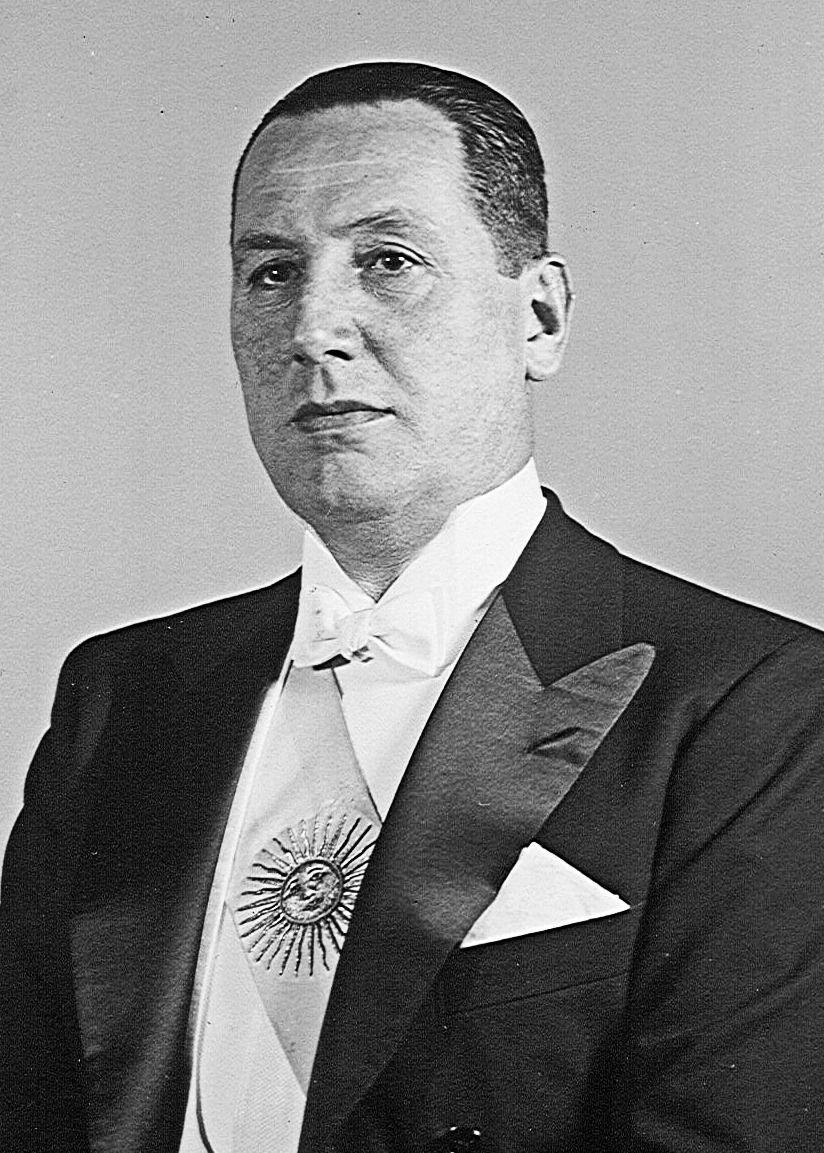
Juan Domingo Perón, born on October 8, 1895, in Lobos, Argentina, is one of the most significant and controversial figures in Argentine history. His life and political career spanned a period of profound change in Argentina and left a lasting legacy that continues to influence the nation today. This article delves into his life, exploring his rise to power, his presidency, his influence, and the nuances of his historical context.
Early Life and Military Career
Juan Perón’s early life was marked by a deep connection to the military, a path he pursued with determination. At the age of 16, he entered the military academy, where he quickly distinguished himself as a promising officer. His early military career took him abroad, including a stint in Italy, where he was influenced by the rise of European fascism, particularly the regime of Benito Mussolini. However, Perón’s understanding of fascism was nuanced, viewing it as a transitional phase towards social democracy rather than an end in itself.
Rise to Power
Perón’s political ascent began in earnest in 1943, during a turbulent period in Argentine history. The nation was experiencing political instability, and Perón, then a colonel, played a key role in a military coup that ousted the civilian government of Ramón S. Castillo. This coup was orchestrated by the Grupo de Oficiales Unidos (GOU), a secretive military group that sought to reshape Argentina’s political landscape.
After the coup, Perón was appointed as the Secretary of Labor and Social Welfare, a position that allowed him to build a strong base of support among the working class. His policies focused on improving labor conditions, increasing wages, and expanding social welfare programs. These measures endeared him to the labor unions and the working poor, who would become his most ardent supporters.
The Eva Perón Factor
A significant turning point in Perón’s life was his meeting with Eva Duarte, a young actress who would become his second wife and one of the most iconic figures in Argentine history. They met in 1944 at a charity event organized to raise funds for earthquake victims, and their relationship quickly blossomed. They married in 1945, and Evita, as she was affectionately known, became a powerful political force in her own right.
Evita’s influence on Perón and Argentine politics cannot be overstated. She was instrumental in rallying the working class and women to support Perón’s presidency. Her charisma, passion for social justice, and dedication to the poor made her a beloved figure, and she played a crucial role in Perón’s electoral victory in 1946.
The Perón Presidency
Juan Perón was elected president of Argentina in 1946, ushering in a period of profound social and economic change. His presidency is often associated with the rise of Peronism, a political ideology that blends elements of nationalism, laborism, and social justice. Perón’s government implemented a series of policies aimed at redistributing wealth, nationalizing key industries, and strengthening the role of the state in the economy.
One of the hallmarks of Perón’s presidency was his emphasis on social welfare. He expanded social security, improved working conditions, and invested in public infrastructure projects. His administration also promoted industrialization, aiming to reduce Argentina’s dependence on foreign imports and foster economic self-sufficiency.
However, Perón’s presidency was not without controversy. His authoritarian tendencies, including censorship of the press and suppression of political opposition, drew criticism both domestically and internationally. Despite these challenges, Perón remained immensely popular among large segments of the population, particularly the working class, who saw him as a champion of their rights.
Decline and Exile
The 1950s marked the beginning of Perón’s decline. Argentina’s economy began to falter, partly due to the exclusion from the benefits of the Marshall Plan, which provided economic assistance to war-torn Europe but left Latin America largely untouched. Additionally, Perón’s relationship with the Catholic Church deteriorated, leading to a loss of support from a key institution in Argentine society.
In 1952, tragedy struck when Evita Perón died of cancer at the age of 33. Her death was a devastating blow to Perón and his political movement. Without her unifying presence, Perón’s support base began to fracture. His efforts to maintain control grew increasingly desperate, leading to further repression and alienation of his opponents.
In 1955, Perón’s government was overthrown in a military coup. Facing the threat of civil war, Perón chose to go into exile, first in Paraguay and later in Spain. During his years in exile, Perón continued to influence Argentine politics from afar, maintaining contact with his supporters and laying the groundwork for his eventual return.
The Return and Final Years
In 1972, nearly two decades after his ouster, Juan Perón returned to Argentina. His return was marked by a wave of popular enthusiasm, and he quickly reasserted his influence over the Peronist movement. Although he was initially barred from running for office, Perón’s presence loomed large over the political landscape, and his party won the general elections in 1973 with nearly 50% of the vote.
Héctor José Cámpora, Perón’s chosen candidate, assumed the presidency but quickly resigned to pave the way for Perón’s return to power. In September 1973, Perón was elected president for the third time. However, by this time, he was in poor health and increasingly relied on his third wife, Isabel Martínez de Perón, to manage the day-to-day affairs of the government.
Perón’s final presidency was marked by increasing political violence and economic instability. His efforts to reconcile the various factions within the Peronist movement proved unsuccessful, and Argentina teetered on the brink of chaos. On July 1, 1974, Juan Perón died of a heart attack at the age of 78. His death plunged Argentina into a period of uncertainty and set the stage for further turmoil.
Perón’s Legacy
Juan Perón’s legacy is complex and multifaceted. To his supporters, he remains a hero who championed the rights of the working class and sought to build a more just and equitable society. Peronism, the political ideology he founded, continues to be a dominant force in Argentine politics, with both left-wing and right-wing factions claiming his mantle.
However, Perón’s critics argue that his authoritarian tendencies and economic policies ultimately did more harm than good. They point to the long-term consequences of his rule, including economic mismanagement, political polarization, and the erosion of democratic institutions.
Historically, Perón’s life and career reflect the broader struggles of Argentina as it sought to define its identity in the 20th century. His rise to power was emblematic of the social and political upheaval that characterized much of Latin America during this period. His policies and leadership style were shaped by the global currents of the time, including the rise of fascism, the Cold War, and the decolonization of the Global South.
Conclusion
Juan Perón was a towering figure in Argentine history, a man whose life and career continue to inspire debate and reflection. His impact on Argentina was profound, shaping the country’s political landscape in ways that are still felt today. From his early military career to his tumultuous presidency, his rise to power, his fall from grace, and his eventual return, Perón’s life is a testament to the complexities of leadership and the challenges of navigating a nation through times of change and uncertainty.


