
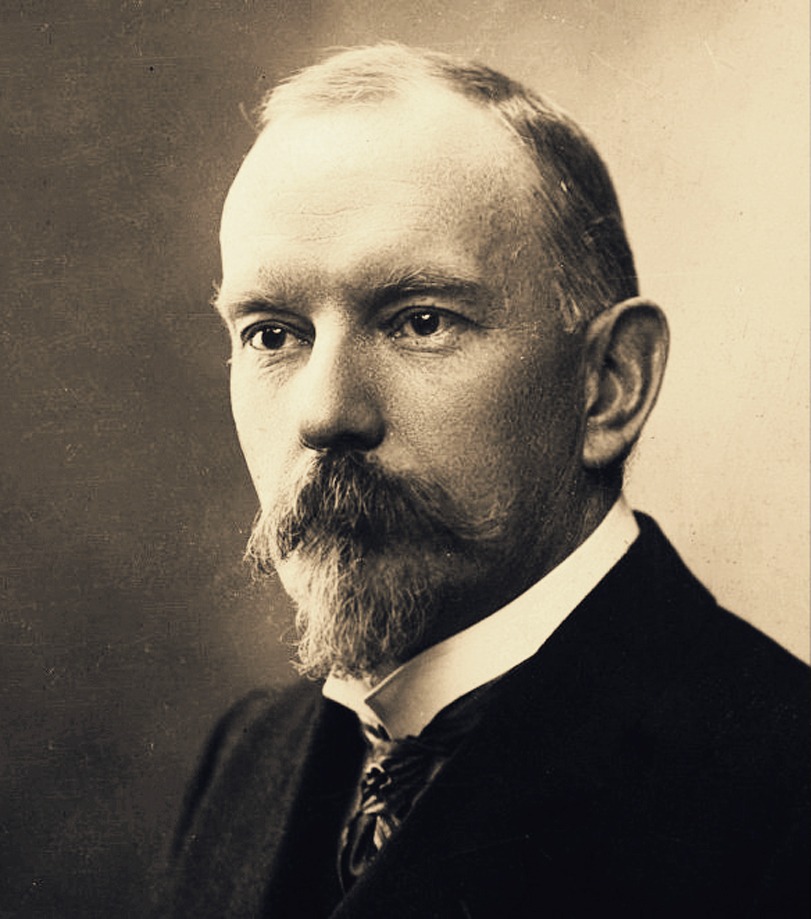
Jules Renard, born Pierre-Jules Renard on February 22, 1864, in Châlons-du-Maine, France, was a distinguished French writer, playwright, and literary critic. Renard’s work is characterized by its sharp wit, keen observation of life, and often ironic tone. His writings, particularly his diaries and the famous novel Poil de Carotte (translated as Carrot Top), have left a significant mark on French literature. This article explores the life, achievements, and legacy of Jules Renard, offering insights into his unique contributions to the literary world.
Early Life and Background
Jules Renard was born into a modest family in the rural region of Mayenne, France. His father, François Renard, was an entrepreneur, while his mother, Anna-Rose Colin, was a homemaker. Renard was the youngest of the couple’s children, born after three siblings, though his eldest sister, Amelie, died shortly after birth. The family moved to Chitry-les-Mines in the Nièvre region when Jules was just two years old. This village, surrounded by nature, would profoundly influence Renard’s literary imagination and provide the backdrop for much of his later work.
Renard’s childhood was shaped by his deep connection to the natural world and the complex dynamics within his family. His father, a successful businessman, became the mayor of Chitry-les-Mines, but the household was far from harmonious. Renard’s relationship with his mother, in particular, was strained, a theme that would later manifest in his writing, especially in Poil de Carotte. Despite these challenges, Renard’s early years were marked by a burgeoning curiosity and a keen sense of observation, traits that would serve him well in his literary career.
Education and Literary Beginnings
Renard attended school in Nevers, where he showed an early interest in literature. Despite some academic challenges, he developed a love for reading and writing. His time at school was formative, introducing him to a range of literary works that would influence his own style. After completing his education in Nevers, Renard moved to Paris, where he pursued studies in philosophy, although his true passion lay in writing.
In Paris, Renard immersed himself in the vibrant literary scene, frequenting cafés and engaging with other writers and intellectuals. He began contributing to various literary magazines, gradually building a reputation as a sharp and insightful writer. His early works were published in these periodicals, providing him with a platform to experiment with different forms of writing and to develop his unique voice.
Renard’s early literary efforts were not without struggle. He worked tirelessly to make a living through his writing, contributing to publications such as Le Presse, a well-regarded national newspaper. These years of hard work and persistence laid the groundwork for his later success and recognition as a leading figure in French literature.
Personal Life and Marriage
On April 28, 1888, Jules Renard married Marie Morneau. Their marriage was a significant event in Renard’s life, and Marie became a recurring figure in his diaries, often referred to with affectionate nicknames such as “Marie Marinette” and “Rinette.” The couple settled in an apartment on rue Rocher in Paris, where Renard continued to write and establish himself as a literary force.
The Renards had two children, Jean-Francois and Julie-Marie. Renard’s role as a father deeply influenced his writing, particularly in his depiction of family dynamics and childhood experiences. The birth of his children coincided with some of his most productive years as a writer, as he balanced the demands of family life with his literary ambitions.
Literary Achievements and Fame
Jules Renard’s breakthrough came in 1889 when he co-founded the literary magazine Mercure de France with other intellectuals. The magazine quickly gained national prominence, providing Renard with a platform to publish his work and share his literary ideas. It was during this period that Renard began to write some of his most celebrated works, including the short story collection Crime de Village (Village Crime) and Sourires Pincés (Forced Smiles). These early works were characterized by their caustic humor and incisive social commentary, establishing Renard as a writer with a unique perspective on the human condition.
One of Renard’s most significant contributions to literature came in 1894 with the publication of Poil de Carotte (Carrot Top). The novel, which tells the story of a young boy’s troubled childhood, is a semi-autobiographical account of Renard’s own experiences growing up in a dysfunctional family. The protagonist, François Lepic, nicknamed “Poil de Carotte” because of his red hair, becomes a symbol of resilience in the face of neglect and emotional abuse. The novel’s raw portrayal of childhood and its critique of parental authority resonated with readers, making it one of Renard’s most enduring works.
Renard’s success with Poil de Carotte was not limited to the printed page. In 1900, he adapted the novel into a stage play, which became a critical and commercial success. The play’s blend of humor and pathos captivated audiences, further solidifying Renard’s reputation as a leading literary figure in France.
Contributions to Theater
In addition to his success as a novelist, Jules Renard made significant contributions to the French theater. During the late 1890s, he wrote several one-act plays that were innovative and well-received by the Parisian public. His 1897 play Le Plaisir de Rompre (The Pleasure of Breaking Up) showcased Renard’s ability to blend humor with poignant social commentary, exploring the complexities of relationships in a way that was both tender and incisive.
Renard followed up this success with Le Pain de Ménage (Household Bread) in 1899, a play that tackled the themes of marital mediocrity and the mundane aspects of domestic life. Both plays were celebrated for their sharp dialogue and the way they captured the subtleties of human interaction, solidifying Renard’s reputation as a playwright of note.
Renard’s theatrical work was characterized by its brevity and wit, often focusing on everyday situations and the ironies of life. His plays, like his other writings, were marked by a deep understanding of human nature and a unique ability to convey complex emotions with economy and precision.
Later Life and Political Involvement
As his literary career flourished, Jules Renard also became increasingly involved in local politics. In 1900, he was elected as a municipal councilor in Chaumot, a village near his childhood home of Chitry-les-Mines. Renard’s connection to his rural roots remained strong throughout his life, and he often retreated to his house in Chaumot, which he affectionately called “le gazébo” (the gazebo). This retreat provided him with a peaceful environment to write, away from the distractions of Paris.
In 1904, Renard was elected mayor of Chitry-les-Mines, a position he held with pride. His involvement in local government was a reflection of his deep connection to his community and his desire to contribute to the well-being of the people around him. Renard’s political career was marked by his commitment to public service, and he was well-respected by his constituents.
Renard’s contributions to French culture were recognized in 1907 when he was elected to the prestigious Académie Goncourt, an honor that acknowledged his influence on French literature. The following year, he was re-elected as mayor of Chitry-les-Mines, a testament to his popularity and the trust the local community placed in him.
Tragedy and Final Years
Despite his professional success, Jules Renard’s later years were marked by personal tragedy. In 1897, his father François Renard died by suicide, a loss that deeply affected Jules. The death of his brother Maurice in 1900, followed by the tragic death of his mother, Anna-Rose, in 1909, added to his emotional burden. Anna-Rose’s death, after falling into a well, was particularly traumatic, as it was never clear whether it was an accident or suicide.
These events took a toll on Renard’s health, and his writing during this period reflects a sense of melancholy and introspection. Despite these challenges, Renard continued to write and serve as mayor until his death on May 22, 1910, in his Paris home.
Legacy and Impact on Literature
Jules Renard’s legacy as a writer and thinker endures to this day. His diaries, published posthumously, offer an intimate glimpse into his thoughts on life, literature, and the human condition. Renard’s ability to capture the complexities of human emotion with wit and brevity has influenced generations of writers.
Poil de Carotte remains a classic of French literature, studied in schools and celebrated for its honest portrayal of childhood. Renard’s plays, though less well-known, continue to be performed, appreciated for their sharp dialogue and insightful commentary on social norms.
Renard’s impact extends beyond literature. His involvement in local politics and his connection to his rural roots reflect a deep commitment to his community and a belief in the importance of public service. Renard’s life and work exemplify the power of literature to reflect and shape society, making him a key figure in the cultural history of France.
Conclusion: Jules Renard’s Enduring Influence
Jules Renard’s life was one of remarkable achievement, marked by literary brilliance, personal tragedy, and a deep connection to his roots. His work, characterized by its wit, insight, and emotional depth, continues to resonate with readers and audiences today. As a writer, playwright, and public servant, Renard left an indelible mark on French culture, and his legacy as one of France’s most important literary figures is secure.


