
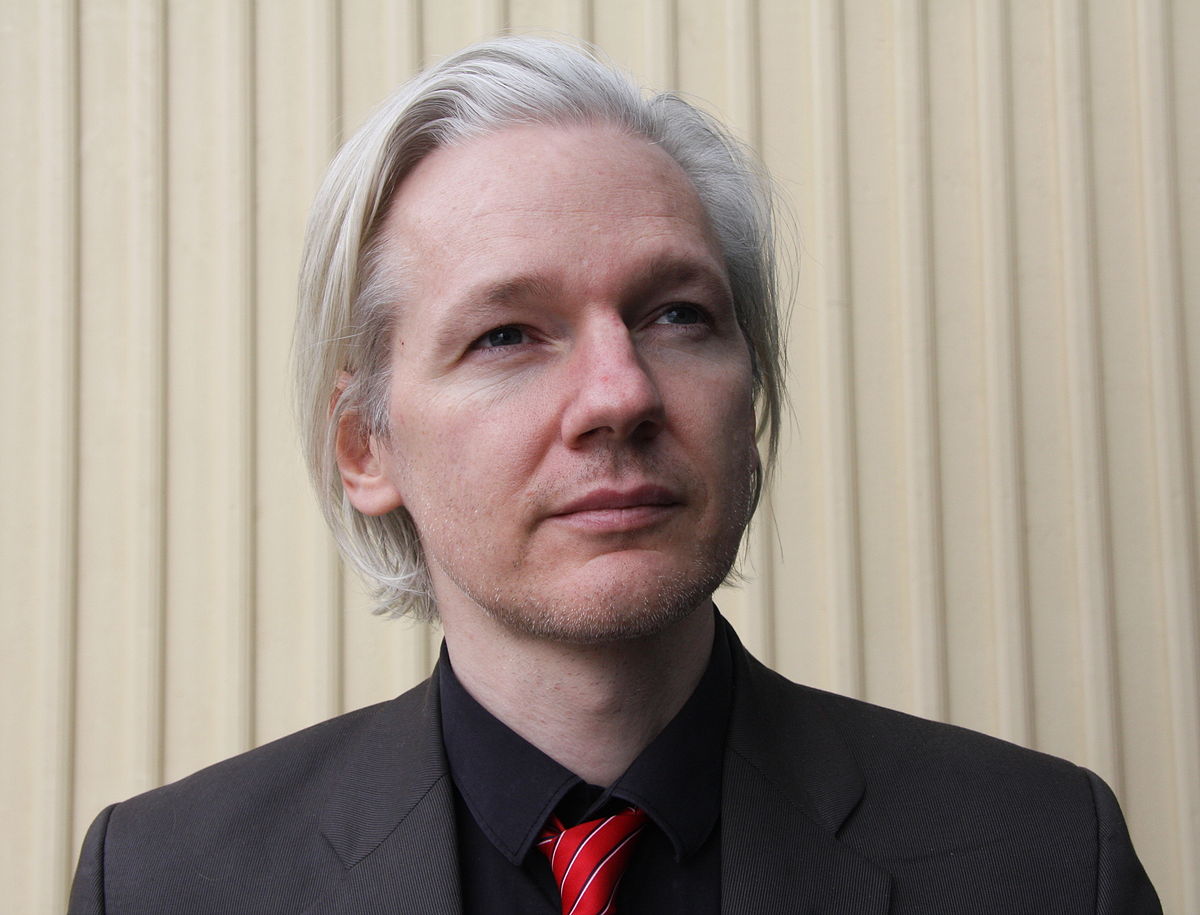
Julian Paul Assange, born on July 3, 1971, in Townsville, Queensland, Australia, is a highly controversial figure known for his role as the founder of WikiLeaks, an organization dedicated to publishing classified information. This article delves into Assange’s life, his rise to fame, and the significant events that have marked his journey, providing a comprehensive overview of his contributions and controversies.
Early Life and Background
Julian Assange was raised in a somewhat unconventional environment. His mother, Christine Assange, was an artist, and his father was absent for much of his early life. Assange moved frequently during his childhood, attending multiple schools and experiencing a nomadic lifestyle. This transient upbringing instilled in him a sense of independence and resilience.
Assange showed an early interest in computers and technology. By his teenage years, he had become an adept hacker, adopting the pseudonym “Mendax,” inspired by a line from the Roman poet Horace: “splendidly mendacious.” This period laid the groundwork for his future endeavors in the realm of digital activism.
The Birth of WikiLeaks
In 2006, Julian Assange co-founded WikiLeaks, a non-profit organization that aimed to publish classified, censored, or otherwise restricted information of significant public interest. WikiLeaks’ mission was to expose government and corporate misconduct, promote transparency, and protect whistleblowers.
Early Successes
WikiLeaks quickly gained attention for its bold approach to information dissemination. The organization’s first major release came in 2007 with the publication of the “Standard Operating Procedures for Camp Delta,” a manual detailing the operations of the Guantanamo Bay detention camp. This release highlighted the harsh treatment of detainees and brought global attention to the conditions at the facility.
In 2010, WikiLeaks made headlines with a series of high-profile leaks. These included the “Collateral Murder” video, which showed a U.S. Apache helicopter attack in Baghdad that killed several people, including two Reuters journalists. This release was followed by the publication of the Afghan War Diary and the Iraq War Logs, which revealed extensive details about the wars in Afghanistan and Iraq, including previously unreported civilian casualties and instances of torture.
The Diplomatic Cables
The most significant release by WikiLeaks came in late 2010 with the publication of over 250,000 U.S. diplomatic cables. Dubbed “Cablegate,” these documents exposed confidential communications between the U.S. State Department and its diplomatic missions worldwide. The cables revealed numerous sensitive and often embarrassing details about U.S. foreign policy and international relations.
Legal Troubles and Controversies
Assange’s activities with WikiLeaks brought him into conflict with various governments and law enforcement agencies. In November 2010, Swedish authorities issued a European Arrest Warrant for Assange in connection with allegations of sexual misconduct by two women. Assange denied the allegations, claiming they were politically motivated.
Asylum in the Ecuadorian Embassy
Fearing extradition to Sweden and potential subsequent extradition to the United States, Assange sought asylum in the Ecuadorian embassy in London in June 2012. He was granted asylum by Ecuador, allowing him to remain in the embassy to avoid arrest. Assange lived in the embassy for nearly seven years, during which time he continued to run WikiLeaks and advocate for transparency and freedom of information.
Arrest and Imprisonment
In April 2019, Ecuador revoked Assange’s asylum, and he was arrested by British police. He was subsequently sentenced to 50 weeks in prison for breaching bail conditions related to the Swedish extradition case. Assange’s arrest reignited debates about his role in leaking classified information and his treatment by various governments.
Extradition Battles
Following his arrest, the United States requested Assange’s extradition on charges related to the publication of classified documents. The U.S. Department of Justice indicted him on 18 counts, including charges under the Espionage Act, for allegedly conspiring with former U.S. Army intelligence analyst Chelsea Manning to obtain and publish classified documents.
Assange’s extradition hearings in the UK attracted significant media attention and sparked widespread debates about press freedom, whistleblower protection, and the potential implications for journalists worldwide. In January 2021, a UK judge ruled against Assange’s extradition to the U.S. on the grounds that it would be oppressive due to his mental health. However, the legal battles continued as the U.S. government appealed the decision.
Personal Life and Public Image
Julian Assange’s personal life has been marked by both admiration and controversy. He married young and became a father at 18, but the marriage ended in separation. Assange’s personal relationships and family life have often been overshadowed by his public persona and the intense scrutiny of his actions.
Assange’s supporters view him as a champion of transparency and a defender of free speech, while his critics argue that his actions have endangered lives and compromised national security. Despite the polarized opinions, Assange’s impact on journalism and digital activism is undeniable.
The Future of WikiLeaks
WikiLeaks continues to operate, although its activities have been significantly impacted by Assange’s legal troubles and the broader crackdown on whistleblowing and unauthorized disclosures. The organization remains committed to its mission of promoting transparency and holding powerful entities accountable.
Conclusion
Julian Assange’s life and career are a complex tapestry of technological innovation, political activism, and legal battles. From his early days as a hacker to his role as the founder of WikiLeaks, Assange has consistently challenged the status quo and pushed the boundaries of information dissemination.
As Assange’s legal battles continue, the debates about press freedom, government transparency, and the ethical implications of leaking classified information remain as relevant as ever. Whether seen as a hero or a villain, Julian Assange’s legacy will undoubtedly continue to shape the discourse around journalism, digital rights, and the balance between security and transparency in the digital age.


