
Introduction
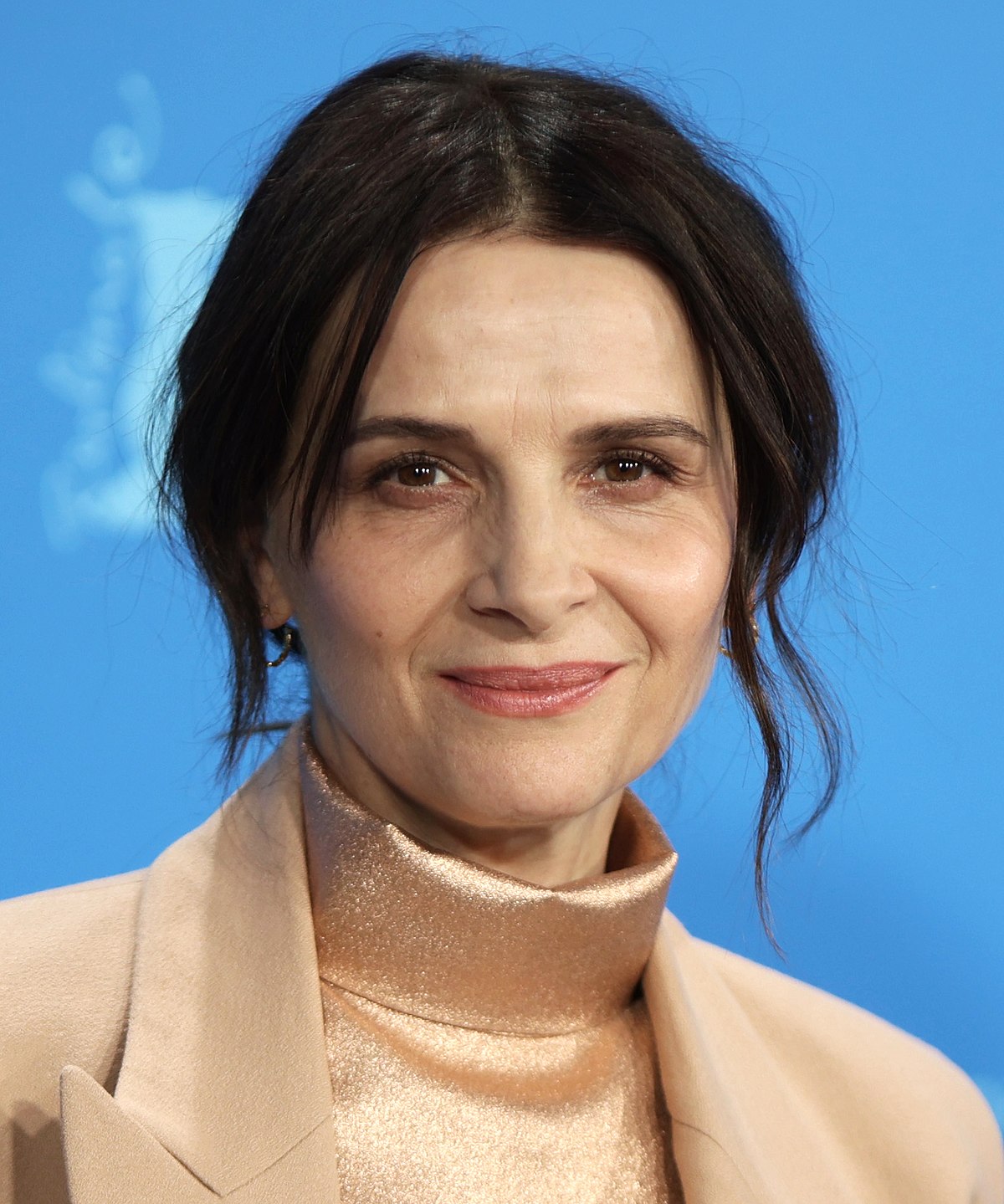
Juliette Binoche, born on March 9, 1964, in Paris, France, is one of the most acclaimed actresses of her generation. Known for her versatility and profound emotional range, Binoche has garnered international fame through her performances in both European and Hollywood films. Her career, spanning over four decades, is marked by numerous awards and recognitions, including an Academy Award. This article provides an in-depth look at her life, career, and the highlights that have defined her journey.
Early Life and Background
Family and Upbringing
Juliette Binoche was born into an artistic family; her mother, Monique Yvette Stalens, was an actress and teacher, while her father, Jean-Marie Binoche, was a sculptor and theater director. Growing up in such a creative environment significantly influenced her path towards the arts. Binoche was drawn to acting from a young age, and her parents’ professions provided a rich cultural and artistic backdrop that nurtured her burgeoning interest in the performing arts.
Education and Early Training
Binoche pursued formal training at the National School of Dramatic Art in Paris, where she honed her skills in acting. Her early education laid a strong foundation, allowing her to develop the emotional depth and technical prowess that would later define her career. After graduating, Binoche began her career in theater, taking on small roles that gradually led to more significant opportunities in film.
Rise to Fame
Breakthrough Role: “The Unbearable Lightness of Being”
Juliette Binoche’s breakthrough came in 1988 with her role in “The Unbearable Lightness of Being,” directed by Philip Kaufman. In this adaptation of Milan Kundera’s novel, Binoche played Tereza, a young woman entangled in a complex romantic relationship. Her performance was critically acclaimed, showcasing her ability to convey profound emotional depth and subtlety. This role catapulted her to international recognition, establishing her as a formidable talent in the film industry.
Collaboration with Acclaimed Directors
Following her success in “The Unbearable Lightness of Being,” Binoche worked with several renowned directors, further solidifying her reputation. In 1992, she starred in Louis Malle’s “Damage” alongside Jeremy Irons, delivering a powerful performance that resonated with audiences and critics alike. Her collaboration with Polish director Krzysztof Kieślowski on the “Three Colors” trilogy—particularly “Blue” (1993)—is considered one of her most significant achievements. Her portrayal of Julie, a woman grappling with the loss of her husband and child, earned her the Volpi Cup for Best Actress at the Venice Film Festival and further acclaim for her remarkable talent.
Career Highlights and Major Achievements
“The English Patient” and Academy Award Success
One of the most defining moments in Juliette Binoche’s career came with her role in “The English Patient” (1996), directed by Anthony Minghella. Starring alongside Ralph Fiennes, Binoche played Hana, a nurse caring for a severely burned patient during World War II. Her nuanced performance earned her the Academy Award for Best Supporting Actress, solidifying her status as an international star. The film itself was a critical and commercial success, winning nine Oscars, including Best Picture.
“Chocolat” and Further Accolades
In 2000, Binoche starred in “Chocolat,” directed by Lasse Hallström. Playing the role of Vianne Rocher, a single mother who opens a chocolate shop in a conservative French village, Binoche once again captivated audiences with her charm and depth. Her performance earned her an Academy Award nomination for Best Actress. Although she did not win, losing to Julia Roberts for “Erin Brockovich,” the nomination further cemented her reputation as one of the finest actresses of her generation.
Continued Success in European Cinema
Juliette Binoche has consistently demonstrated her versatility by taking on a wide range of roles in European cinema. Her collaborations with directors like Michael Haneke in “Code Unknown” (2000) and “Caché” (2005) showcased her ability to tackle complex and challenging characters. In 2010, she won the Best Actress Award at the Cannes Film Festival for her role in Abbas Kiarostami’s “Certified Copy,” highlighting her continued relevance and excellence in the industry.
Personal Life and Philosophy
Balancing Fame and Privacy
Despite her fame, Juliette Binoche has managed to maintain a relatively private personal life. She is known for her thoughtful and introspective nature, often choosing roles that reflect her personal beliefs and values. Binoche has two children: Raphaël, born in 1993 from her relationship with professional diver André Halle, and Hana, born in 1999 from her relationship with actor Benoît Magimel.
Artistic Integrity and Social Engagement
Binoche is not only celebrated for her acting prowess but also for her commitment to artistic integrity and social causes. She has been vocal about her support for various humanitarian efforts, including advocating for refugees and environmental conservation. Her dedication to using her platform for positive change underscores her depth as both an artist and an individual.
Impact and Legacy
Influence on Modern Cinema
Juliette Binoche’s impact on modern cinema is profound. Her ability to seamlessly transition between Hollywood blockbusters and independent European films has set a benchmark for versatility and excellence. She has inspired a generation of actors with her commitment to craft and her willingness to take on diverse and challenging roles.
Awards and Recognitions
Throughout her career, Binoche has received numerous awards and nominations, reflecting her outstanding contributions to the film industry. In addition to her Academy Award, she has won a César Award for Best Actress for “Three Colors: Blue,” a European Film Award for Best Actress for “The English Patient,” and a Silver Bear for Best Actress at the Berlin International Film Festival for “The Night Is Young” (1986).
Continuing Influence
As Juliette Binoche continues to take on new roles and projects, her influence on the film industry remains strong. She has proven that true artistry transcends borders, languages, and genres, making her a timeless figure in cinema. Her dedication to her craft and her ability to connect with audiences on a deeply emotional level ensure that her legacy will endure for generations to come.
Conclusion
Juliette Binoche’s career is a testament to her exceptional talent, versatility, and dedication to the art of acting. From her early days in French theater to her international acclaim in both European and Hollywood films, Binoche has consistently delivered performances that resonate with audiences and critics alike. Her journey is marked by a commitment to artistic integrity and a profound understanding of the human condition, making her one of the most respected and influential actresses in modern cinema.
As we reflect on her achievements, it is clear that Juliette Binoche’s contributions to the film industry have left an indelible mark. Her legacy continues to inspire and influence, reminding us of the power of storytelling and the enduring impact of true artistry.


