
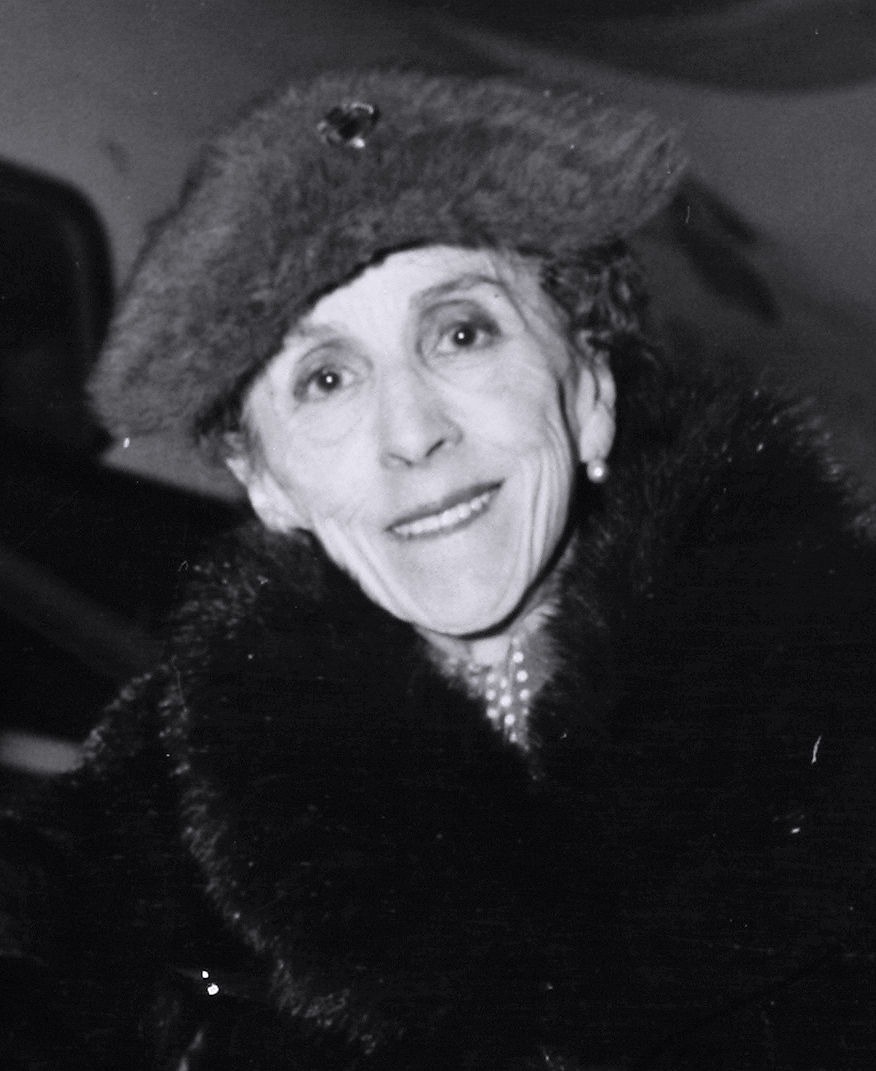
Karen Blixen, known by her pen name Isak Dinesen, is a celebrated literary figure whose works have captivated readers worldwide. Best known for her memoir “Out of Africa,” Blixen’s writing transcends time, offering deep insights into human nature, culture, and the complexities of life. This article delves into the life of Karen Blixen, examining her age, rise to fame, significant career milestones, and enduring legacy in literature.
Early Life and Background
Karen Christenze Dinesen was born on April 17, 1885, in Rungstedlund, Denmark. Her early life was shaped by a combination of privilege and tragedy, factors that influenced her literary voice and themes.
Childhood and Education
Blixen grew up in a wealthy family, which afforded her a broad education and exposure to the arts. Her father, Wilhelm Dinesen, was an army officer and writer, and he greatly influenced her intellectual development. Tragically, he committed suicide when Karen was just ten years old, a loss that deeply affected her and was reflected in the melancholic tones of her later works.
Karen received a well-rounded education, attending private schools and later studying art in Copenhagen, Paris, and Rome. Her artistic pursuits were not limited to writing; she also explored painting, although writing would eventually become her primary focus.
Rise to Fame
Karen Blixen’s rise to fame was not immediate but came after years of personal trials and literary perseverance. Her journey from a Danish aristocrat to a renowned author was marked by significant life events and literary achievements.
Marriage and Move to Africa
In 1914, Karen married her Swedish second cousin, Baron Bror von Blixen-Finecke. Shortly after their marriage, the couple moved to British East Africa (now Kenya) to start a coffee plantation. The marriage was troubled, plagued by Bror’s infidelities and financial mismanagement, which led to their separation in 1921 and eventual divorce in 1925.
Life in Kenya
Despite the personal challenges, Blixen’s time in Africa was profoundly influential on her writing. She developed a deep connection to the land and its people, experiences that would later form the backbone of her memoir, “Out of Africa.” The African landscape, with its beauty and harsh realities, provided rich material for her literary imagination.
Major Career Milestones
Karen Blixen’s literary career is marked by several major milestones that solidified her reputation as a master storyteller. Her works span various genres, including memoir, short stories, and fairy tales, each showcasing her unique narrative voice and profound insights into human nature.
“Seven Gothic Tales”
Blixen’s first major literary success came with the publication of “Seven Gothic Tales” in 1934, under the pen name Isak Dinesen. The collection of stories, characterized by their intricate plots and gothic elements, was well-received by both critics and readers. The book’s success in the United States, particularly after being selected by the Book-of-the-Month Club, brought her international recognition.
“Out of Africa”
“Out of Africa,” published in 1937, is perhaps Blixen’s most famous work. The memoir recounts her years living in Kenya, detailing her experiences with the local people, the challenges of running a coffee farm, and her deep connection to the African landscape. The book’s lyrical prose and vivid descriptions captured the imagination of readers worldwide, cementing Blixen’s place in literary history.
Other Notable Works
Blixen’s literary output includes several other notable works, such as “Winter’s Tales” (1942), “Last Tales” (1957), and “Anecdotes of Destiny” (1958). Each collection showcases her storytelling prowess, blending myth, legend, and personal experience to create rich, multi-layered narratives.
Personal Life
Karen Blixen’s personal life was as complex and intriguing as her literary works. Her experiences, relationships, and challenges deeply influenced her writing and contributed to her enduring legacy.
Health Struggles
Blixen’s health was a constant struggle throughout her life. She contracted syphilis from her husband, Bror, which led to numerous health complications. The disease, coupled with other ailments, caused her significant physical pain and suffering. Despite these challenges, Blixen continued to write, using her literary pursuits as a means of coping with her illness.
Relationships
Karen Blixen had several significant relationships that influenced her life and work. One of the most notable was her close friendship with Denys Finch Hatton, an English aristocrat and big-game hunter. Their relationship, marked by intellectual companionship and mutual respect, was a source of great inspiration and emotional support for Blixen. Finch Hatton’s tragic death in a plane crash in 1931 was a devastating blow to her, an event poignantly depicted in “Out of Africa.”
Return to Denmark
After her coffee farm failed in 1931, Blixen returned to Denmark, where she lived for the remainder of her life at her family estate, Rungstedlund. There, she focused on her writing, drawing from her rich reservoir of experiences in Africa and Europe. Her home at Rungstedlund has since been converted into a museum dedicated to her life and work.
Public Image and Legacy
Karen Blixen’s public image is that of a literary giant whose works continue to resonate with readers around the world. Her legacy is characterized by her masterful storytelling, her profound insights into the human condition, and her unique ability to blend reality and fiction.
Literary Style and Themes
Blixen’s literary style is marked by its elegance, complexity, and deep psychological insight. Her works often explore themes of destiny, fate, and the intersection of human lives with the natural world. She had a unique ability to weave together diverse elements, creating stories that are both timeless and deeply rooted in specific cultural contexts.
Influence and Recognition
Blixen’s influence extends far beyond her own literary achievements. She has inspired generations of writers and readers with her distinctive voice and storytelling techniques. Her works have been translated into numerous languages, ensuring their accessibility to a global audience.
In recognition of her contributions to literature, Blixen received several prestigious awards and honors, including the Tagea Brandt Rejselegat in 1939 and 1950, and the Danish Holberg Medal in 1949. She was also nominated for the Nobel Prize in Literature multiple times, reflecting the high esteem in which she was held by her contemporaries.
Historical Context and Nuances
To fully appreciate Karen Blixen’s contributions to literature, it is essential to consider the historical context in which she lived and wrote. Her life spanned significant periods of change, including the colonial era in Africa and the tumultuous years of the early 20th century in Europe.
Colonial Africa
Blixen’s experiences in Kenya were shaped by the colonial context in which she lived. Her interactions with the local Kikuyu people, the challenges of managing a plantation, and her observations of colonial society all influenced her writing. “Out of Africa” provides a nuanced portrayal of colonial life, capturing both its romantic allure and its inherent injustices.
European Literary Scene
Blixen’s return to Europe and her subsequent literary career were influenced by the literary movements of the early 20th century. Her works reflect the influences of modernism and existentialism, with their focus on individual experience, complex narrative structures, and philosophical themes. Blixen’s ability to integrate these elements into her storytelling contributed to her distinctive literary voice.
Recent Developments and Continued Influence
Karen Blixen’s legacy continues to thrive in the literary world. Her works are studied, analyzed, and celebrated for their artistic and intellectual depth. Contemporary writers and scholars draw inspiration from her unique narrative style and thematic explorations.
Adaptations and Cultural Impact
Blixen’s works have been adapted into various forms, including film, theater, and opera. The most famous adaptation is the 1985 film “Out of Africa,” starring Meryl Streep and Robert Redford. The film, which won seven Academy Awards, brought Blixen’s story to a wider audience and renewed interest in her literary works.
Ongoing Scholarship
Academic interest in Blixen’s work remains strong, with scholars exploring her contributions to literature, her portrayal of colonial Africa, and her influence on subsequent generations of writers. Conferences, publications, and exhibitions continue to examine and celebrate her legacy, ensuring that her work remains relevant and appreciated.
Conclusion
Karen Blixen’s journey from a privileged upbringing in Denmark to a pioneering life in Africa and a celebrated literary career is a testament to her resilience, creativity, and profound insight into the human experience. Her ability to capture the beauty and complexity of life in her writing has left an enduring legacy that continues to inspire and captivate readers around the world.
Blixen’s literary achievements, marked by their elegance, psychological depth, and thematic richness, have earned her a place among the great writers of the 20th century. Her works, characterized by their blend of reality and fiction, remain timeless, offering readers a window into the intricacies of human nature and the world we inhabit.
As we continue to explore and appreciate her contributions to literature, Karen Blixen’s legacy serves as a reminder of the power of storytelling and the enduring impact of a writer’s vision and voice.


