
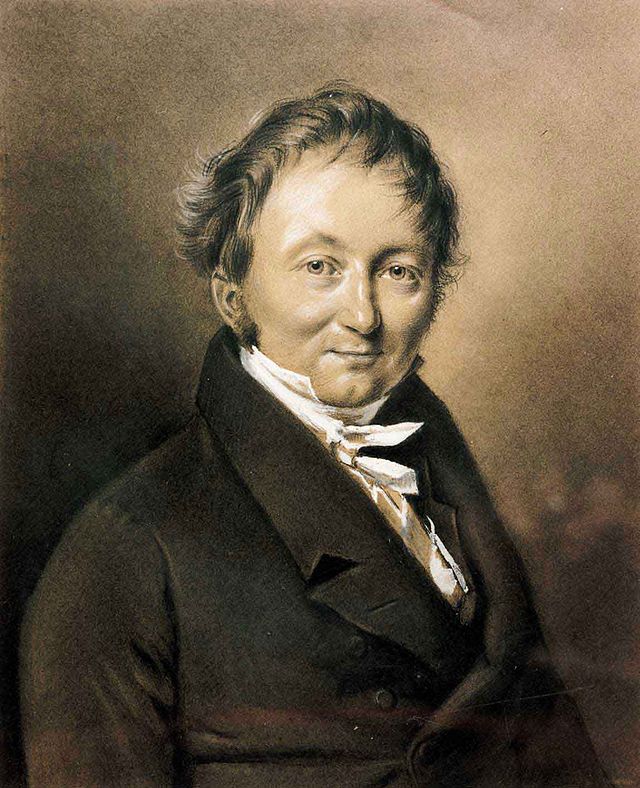
Karl Drais, born Karl Friedrich Christian Ludwig Freiherr Drais von Sauerbronn in 1785, is a significant figure in the history of innovation. A German intellectual active in the early 19th century, Drais is best known for his invention of the draisina—a precursor to the modern bicycle. This invention not only revolutionized personal transportation but also laid the groundwork for future developments in vehicular technology. This article explores the life, achievements, and enduring impact of Karl Drais, delving into the historical context and examining the nuances that contributed to his fame and legacy.
Early Life and Education
Karl Drais was born into a family of high social standing. His father was a judge, and his mother came from a noble lineage. Despite his noble birth, Drais chose to distance himself from the aristocratic titles associated with his family. He preferred to be recognized for his contributions to society rather than his lineage, a decision influenced by his strong democratic ideals. This decision reflects a deep-rooted belief in equality and merit, values that would later inform his life’s work.
Drais pursued his education in architecture at the University of Heidelberg. His academic background provided him with a solid foundation in design and mechanics, skills that he would later apply to his various inventions. However, it was his civil service as a forestry officer that provided him with the financial stability to dedicate himself fully to his inventions.
The Path to Invention
Drais’s journey as an inventor began in earnest around 1810, when he started to develop various machines designed to improve everyday life. Among his early inventions were a typewriter with keys, a meat grinder, a fire extinguisher, and even a submarine equipped with a periscope. These inventions, while innovative, did not achieve the same level of recognition as his later work.
In 1813, Drais presented his first significant invention—a “machine for traveling”—to Tsar Alexander I of Russia. Although the Tsar was impressed, the invention did not gain the traction Drais had hoped for. Undeterred, he continued to refine his designs, driven by a passion for innovation and a desire to make a meaningful impact on society.
The Draisina: A Revolutionary Invention
It was during this period of intense creativity that Drais developed the draisina—a “running machine” that would become the precursor to the modern bicycle. The draisina was essentially a two-wheeled vehicle propelled by the rider’s feet pushing against the ground. This simple yet ingenious design eliminated the need for horses, offering a new mode of personal transportation that was faster and more efficient than walking.
Drais first demonstrated his draisina in Germany, covering a distance of approximately 28 kilometers. The success of this demonstration led to him receiving a patent from the Grand Duke of Baden, Charles II, who also bestowed upon Drais the honorary title of Professor of Mechanics. Although this title was purely symbolic and had no academic bearing, it recognized Drais’s contributions to mechanical innovation.
The draisina soon gained popularity beyond Germany. In France, it was met with enthusiasm, and in England, it became known as the “hobby horse”—a name that reflected its recreational use. The draisina’s success marked a turning point in Drais’s career, securing his place in history as the inventor of one of the earliest forms of the bicycle.
Later Life and Legacy
Despite the success of the draisina, Drais’s later years were marked by hardship and controversy. His strong democratic beliefs led him to actively participate in the European revolutions of 1848, a series of political upheavals aimed at establishing more democratic governments across the continent. However, his political activism came at a cost. Drais was declared mentally ill due to his political views and was eventually institutionalized.
Drais spent his final years in poverty, a stark contrast to the recognition he had received earlier in life. He passed away in 1851, largely forgotten by the public. However, his legacy lived on through his inventions, particularly the draisina, which paved the way for the development of modern bicycles and influenced the evolution of personal transportation.
The Historical Context of Karl Drais’s Inventions
To fully appreciate Karl Drais’s contributions, it is essential to understand the historical context in which he lived and worked. The early 19th century was a period of significant change in Europe, marked by the rise of industrialization, political unrest, and the spread of democratic ideals. The invention of the draisina occurred at a time when society was beginning to explore new forms of transportation, spurred by the limitations of existing methods.
Before the invention of the draisina, personal transportation was largely dependent on horses, which were expensive to maintain and required significant resources. The draisina offered a practical alternative, especially in urban areas where space was limited and the cost of horse ownership was prohibitive. By providing a more accessible and efficient means of transportation, Drais’s invention resonated with the broader societal shifts towards modernization and efficiency.
The Nuances of Karl Drais’s Fame
While Karl Drais is best known for his invention of the draisina, his fame is also closely tied to his personal beliefs and the challenges he faced as a result. His decision to forgo his noble title and embrace democratic ideals was unusual for someone of his background, reflecting a deep commitment to the principles of equality and social progress.
Drais’s involvement in the revolutions of 1848 further underscores his dedication to these ideals. The revolutions, which took place across Europe, were driven by demands for political reform and greater representation for ordinary citizens. Drais’s participation in these movements, despite the personal risks involved, highlights his belief in the power of innovation to drive social change.
However, this commitment to democracy and social progress also contributed to his downfall. In a society that was still largely governed by conservative values and entrenched hierarchies, Drais’s political views were seen as radical and dangerous. His eventual institutionalization and the poverty he experienced in his later years are a testament to the challenges faced by those who dared to challenge the status quo.
Karl Drais’s Enduring Impact
Despite the personal and professional challenges he faced, Karl Drais’s impact on the world of transportation and innovation is undeniable. The draisina, while a relatively simple invention, laid the groundwork for the development of the modern bicycle—a vehicle that continues to play a crucial role in transportation today. Bicycles are now a global phenomenon, used for recreation, transportation, and sport, and their origins can be traced back to Drais’s pioneering work.
Moreover, Drais’s life serves as a reminder of the complex interplay between innovation, politics, and society. His story illustrates how inventors are often driven not only by a desire to solve practical problems but also by a vision of a better, more equitable world. In this sense, Drais’s legacy extends beyond his inventions, offering insights into the broader forces that shape technological progress and social change.
Conclusion
Karl Drais was a visionary whose contributions to the world of transportation have had a lasting impact. His invention of the draisina marked a significant milestone in the history of personal transportation, paving the way for the development of the modern bicycle. Despite the challenges he faced in his later years, Drais’s legacy as an innovator and advocate for democratic ideals endures. His life story offers valuable lessons about the relationship between technology and society, reminding us of the potential for innovation to drive social change and improve the human condition.


