
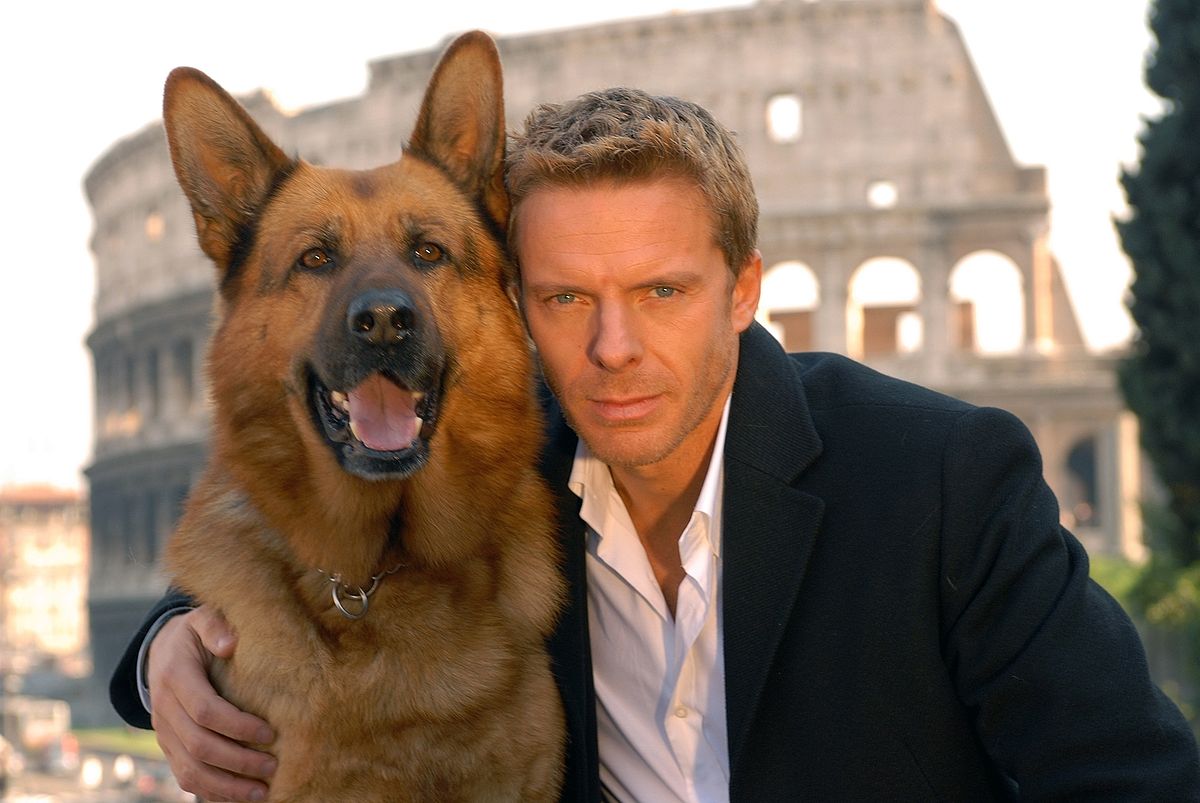
Kaspar Capparoni, born on August 1, 1964, in Rome, Italy, is a well-known Italian actor whose career has spanned over several decades, covering multiple genres and mediums. With a strong presence in Italian cinema and television, Capparoni has become a household name, particularly recognized for his roles in popular TV series and films. This article delves deep into the life, career, and key milestones of Kaspar Capparoni, providing a comprehensive overview of his journey to fame and the highlights that have defined his career.
Early Life and Education
Kaspar Capparoni, whose real name is Gaspare Capparoni, was born and raised in Rome. From a young age, Capparoni exhibited a passion for the performing arts, which led him to pursue acting. He attended the Deutsche Schule, a German school in Rome, which provided him with a unique educational background that would later influence his approach to acting.
His acting career began at a remarkably young age. Capparoni made his debut in theater at the age of 18, under the guidance of the renowned director and playwright Giuseppe Patroni Griffi. This collaboration marked the beginning of a significant relationship that would span two decades, during which Capparoni honed his craft and developed a deep appreciation for the art of acting.
Breakthrough in Cinema
Capparoni’s big break in cinema came in 1984 when he appeared in the horror film Phenomena, directed by the legendary Dario Argento. This role was pivotal in establishing his career in the film industry. Following this, Capparoni continued to build his filmography with roles in several other films throughout the 1980s and 1990s. Some of his notable film appearances include:
- Colpi di luce (1985), directed by Enzo G. Castellari
- Il commissario Lo Gatto (1986), directed by Dino Risi
- Gialloparma (1999), directed by Alberto Bevilacqua
These early roles showcased his versatility as an actor and his ability to adapt to different genres, from horror to comedy to drama.
Rise to Fame in Television
While Capparoni made a name for himself in cinema, it was his work in television that truly catapulted him to fame. The 2000s were a transformative period in his career, as he became a familiar face on Italian television. His role in the soap opera Ricominciare (2000) marked the beginning of his rise to television stardom. He further cemented his reputation with roles in popular series such as:
- Incantesimo 4 (2001)
- Elisa di Rivombrosa (2003)
- La caccia (2005)
However, one of his most iconic roles came in 2006 when he starred in the television series Capri. This series was a massive success and significantly boosted his popularity.
Personal Life: Marriages and Family
Kaspar Capparoni’s personal life has been as eventful as his professional one. He was first married to Ashraf Ganouchi, with whom he had two children: Sheherazade, born in 1993, and Joseph, born in 2000. The couple eventually parted ways, and in 2010, Capparoni married Veronica Maccarone, an actress and dancer 19 years his junior. This marriage brought new happiness into his life, and the couple has two children together: Alessandro, born in 2008, and Daniel, born in 2013.
Capparoni has often spoken about the challenges and joys of balancing his career with his responsibilities as a father. His commitment to his family is evident in the way he speaks about his children and the importance of being present in their lives.
Continued Success and Legacy in Television
The late 2000s and early 2010s saw Capparoni continue to dominate the television scene. In 2007, he starred alongside Lucrezia Lante della Rovere in the miniseries Donna Detective, directed by Cinzia TH Torrini. His role in this series further solidified his status as a leading actor in Italian television.
In 2008, Capparoni joined the cast of the long-running television series Rex, where he portrayed Commissioner Lorenzo Fabbri. His portrayal of this character from the 11th to the 14th season was instrumental in revitalizing the series and garnered him widespread acclaim. The role of Lorenzo Fabbri remains one of the most significant of his career, contributing greatly to his enduring popularity.
Capparoni’s success on television was not just limited to drama series. In 2011, he participated in the seventh edition of Ballando con le Stelle (the Italian version of Dancing with the Stars), where he partnered with professional dancer Yulia Musikhina. The pair went on to win the competition, showcasing Capparoni’s versatility and charisma beyond acting.
Recent Projects and Ventures
In recent years, Capparoni has continued to explore different facets of the entertainment industry. In 2012, he appeared in the series Le tre rose di Eva, playing the role of Don Riccardo Monforte. Although his character only appeared in the first three episodes of the first season, it was a memorable performance that added to his diverse portfolio.
In 2015, Capparoni expanded his artistic endeavors by collaborating with the Italian singer Fiordaliso on her album. He lent his voice to the song “Eclisse totale,” further demonstrating his artistic range.
In 2019, Capparoni made a return to reality television by participating in the 14th edition of L’Isola dei Famosi (the Italian version of Survivor), which aired on Canale 5. This venture into reality TV brought him back into the spotlight and introduced him to a new generation of fans.
Reflections on Italian Cinema and Television
Throughout his career, Kaspar Capparoni has been outspoken about the state of Italian cinema and television. In various interviews, he has expressed his concerns about the influence of politics on the film industry, particularly the reliance on subsidies. He has advocated for greater investment in cultural projects, similar to the model used in France, to revitalize the industry.
Capparoni’s reflections on the shift from cinema to television are particularly insightful. He has noted that television has become the primary medium for storytelling in Italy, as it reaches a broader audience compared to cinema. This perspective has informed his career choices, as he has increasingly focused on television roles that offer the opportunity to connect with a large and dedicated audience.
Conclusion
Kaspar Capparoni’s journey from a young theater actor in Rome to one of Italy’s most recognizable television stars is a testament to his talent, versatility, and dedication to his craft. Over the years, he has navigated the evolving landscape of Italian entertainment with grace and resilience, consistently delivering performances that resonate with audiences.
As he continues to explore new opportunities in the entertainment industry, Capparoni remains a beloved figure in Italian culture. His contributions to both cinema and television have left an indelible mark, and his work continues to be celebrated by fans and critics alike.


