
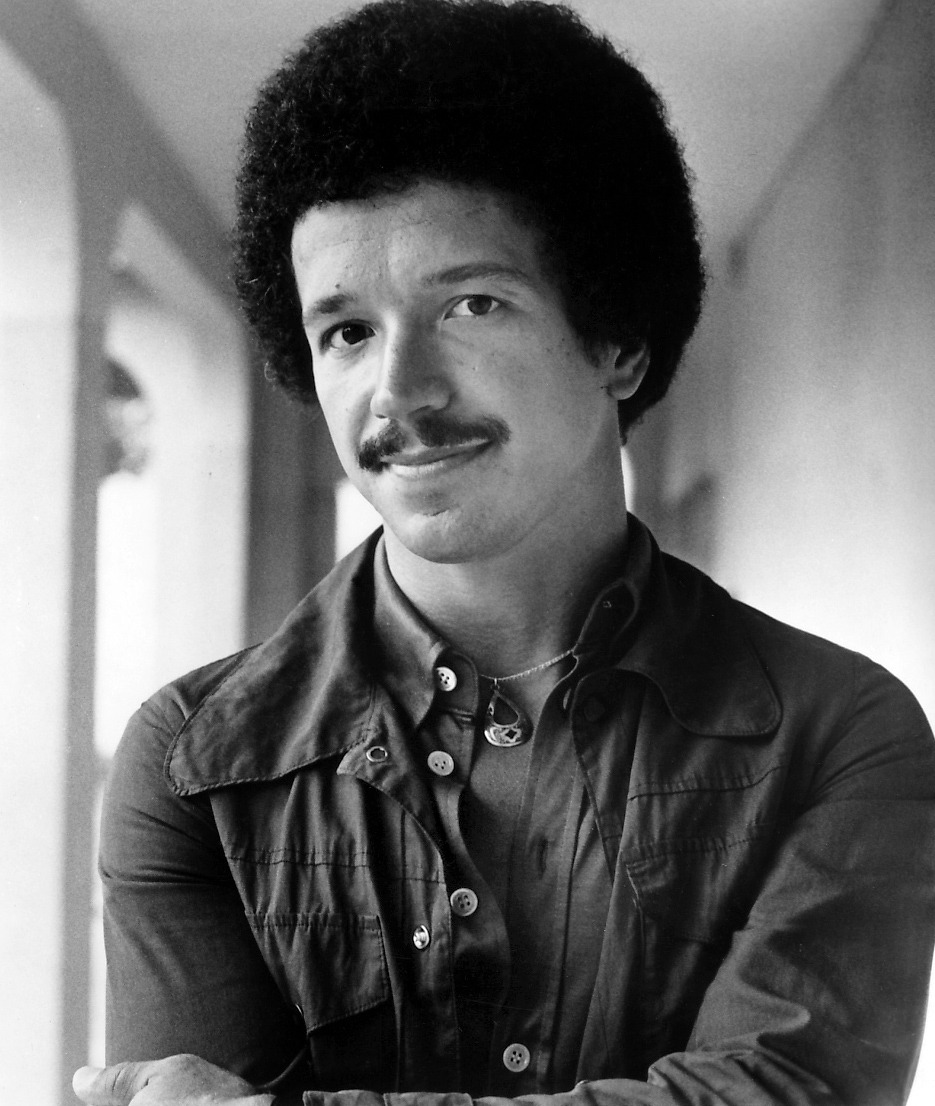
Keith Jarrett, born on May 8, 1945, in Allentown, Pennsylvania, is one of the most influential and versatile musicians of the 20th century. Renowned as a jazz pianist, composer, and improviser, Jarrett’s career spans over five decades, marked by groundbreaking performances and recordings that have left an indelible mark on both jazz and classical music. In this article, we will delve into his life, exploring his age, rise to fame, and the significant milestones that have shaped his extraordinary career.
Early Life and Musical Beginnings
Keith Jarrett was born into a multicultural family with roots in Hungary, the eldest of five brothers. Music was an integral part of his upbringing, with his mother singing in local choirs and his grandmother and aunt playing the piano. This early exposure to music deeply influenced young Jarrett, who began taking piano lessons at the tender age of three.
By the age of seven, Jarrett was already performing in public, showcasing a prodigious talent that hinted at his future greatness. His early education was steeped in classical music, and he participated in several high-profile performances, including appearances at New York’s Madison Square Garden. These formative experiences helped Jarrett develop a profound connection with the piano, which he described as learning the language of the instrument as he learned to speak.
Education and Early Career
As Jarrett grew older, his passion for music only intensified. At the age of twelve, he began performing professionally, and his formal education in music continued at the prestigious Berklee College of Music in Boston. There, he honed his skills in composition and performance, attracting the attention of prominent figures in the music world.
Jarrett’s talents earned him a scholarship to study in Paris with Nadia Boulanger, a legendary figure in classical music pedagogy who had taught luminaries like Aaron Copland and Astor Piazzolla. However, despite this remarkable opportunity, Jarrett chose a different path. In 1964, he moved to New York City, where he began performing at the iconic Village Vanguard, one of the most revered jazz venues in the world. There, he played alongside Tony Scott, a clarinetist who had worked with jazz greats like Billie Holiday.
Rise to Fame: Jazz, Blues, and Gospel Influences
Jarrett’s entry into the world of jazz was marked by his association with the Jazz Messengers, a legendary group led by drummer Art Blakey. It was during this time that Jarrett began to explore and embrace the rich traditions of blues and gospel music, genres that would profoundly influence his work.
In the late 1960s, Jarrett joined forces with saxophonist Charles Lloyd, a collaboration that brought him significant recognition in the jazz community. It was also during this period that he formed a close musical partnership with drummer Jack DeJohnette, who would become a key collaborator throughout his career.
Jarrett’s first major breakthrough as a bandleader came with the formation of a trio that included bassist Charlie Haden and drummer Paul Motian. The trio’s debut album, “Life Between the Exit Signs,” released in 1967, showcased Jarrett’s unique approach to jazz, blending elements of classical music with improvisation and innovation. This was followed by other notable works, including “Restoration Ruin” and “Somewhere Before,” which further established Jarrett’s reputation as a creative force in the jazz world.
The 1970s: Collaborations with Miles Davis
The 1970s were a transformative decade for Jarrett, marked by his collaboration with one of the greatest figures in jazz history, Miles Davis. Davis, who had been impressed by Jarrett’s performances in New York, invited him to join his band. This was a pivotal moment in Jarrett’s career, as he was thrust into the limelight, performing alongside some of the most talented musicians of the era.
Jarrett’s time with Miles Davis was notable for his work on the electric piano and organ, instruments he had initially been reluctant to embrace due to his preference for acoustic piano. However, his contributions to albums like “Miles Davis at Fillmore: Live at the Fillmore East,” “The Cellar Door Sessions,” and “Live-Evil” were groundbreaking, blending jazz with elements of rock and funk in what would later be known as the “electric” period of Davis’s career.
Despite the success of this collaboration, Jarrett eventually parted ways with Davis in 1971, citing differences in their musical directions. However, he maintained a deep respect for Davis, acknowledging the importance of leadership and vision that Davis brought to his bands.
Return to Acoustic Jazz and Solo Performances
After leaving Davis’s band, Jarrett returned to his roots in acoustic jazz. He reformed his trio with Paul Motian and Charlie Haden, and added saxophonist Dewey Redman to create what became known as the “American Quartet.” This group, sometimes augmented by guitarist Sam Brown and percussionist Airto Moreira, produced a series of critically acclaimed albums for labels like Atlantic Records, ECM, and Impulse! Records.
Simultaneously, Jarrett led a European counterpart to the American Quartet, featuring drummer Jon Christensen, bassist Palle Danielsson, and saxophonist Jan Garbarek. The “European Quartet” shared similarities with the American group but also reflected the influences of European classical music, showcasing Jarrett’s versatility and global appeal.
During this period, Jarrett also began exploring the possibilities of solo piano performance, a format that would become one of his trademarks. His 1971 album “Facing You” and the subsequent “The Köln Concert” from 1975 are landmark recordings that demonstrate his unparalleled ability to create entire musical worlds through improvisation. “The Köln Concert,” in particular, became one of the best-selling solo piano albums of all time, solidifying Jarrett’s status as a major figure in both jazz and classical music.
Health Challenges and Personal Struggles
The 1990s were a challenging time for Jarrett, as he was diagnosed with chronic fatigue syndrome, a debilitating condition that forced him to take an extended break from performing. This period of isolation, however, allowed Jarrett to focus on his health and personal well-being, leading to a gradual recovery that enabled him to return to music.
During his convalescence, Jarrett recorded “The Melody at Night, With You,” a deeply introspective album that features delicate renditions of standards and folk songs. This album, devoid of the usual improvisational fireworks, offers a glimpse into Jarrett’s emotional world during a difficult time, and it was warmly received by both critics and fans.
A New Millennium: Continued Excellence and Recognition
As the new millennium dawned, Jarrett resumed his career with renewed vigor. He reconnected with longtime collaborators Jack DeJohnette and Gary Peacock, forming the “Standards Trio,” which became one of the most celebrated ensembles in jazz. This trio, dedicated to exploring the Great American Songbook, released numerous albums that showcased Jarrett’s deep understanding of melody, harmony, and rhythm.
Jarrett’s contributions to music were recognized in 2004 when he was awarded the prestigious Léonie Sonning Music Prize, an honor typically reserved for classical musicians. This accolade placed him in the company of previous recipients like Igor Stravinsky and Leonard Bernstein, underscoring his significance as a musician who transcends genre boundaries.
In 2005, Jarrett returned to the stage for a solo piano concert at Carnegie Hall, his first in the United States since his battle with chronic fatigue syndrome. The concert, which was released as a double album, “The Carnegie Hall Concert,” was hailed as a triumphant return to form, reaffirming Jarrett’s place as one of the greatest living pianists.
Legacy and Impact
Keith Jarrett’s influence on the world of music is immeasurable. His ability to seamlessly blend elements of jazz, classical, blues, and gospel into a coherent and unique musical language has inspired countless musicians across genres. His work with Miles Davis helped shape the sound of jazz fusion, while his solo performances have set a new standard for improvisational excellence.
Jarrett’s commitment to artistic integrity and his refusal to be confined by genre labels have made him a revered figure not only in jazz but also in the broader world of music. His recordings, particularly those from his solo piano concerts, continue to be studied and admired by musicians and music lovers alike.
In 2020, Jarrett’s career took a tragic turn when he suffered two strokes, which left him unable to play the piano. Despite this heartbreaking development, his legacy as a pioneer in music remains intact. Jarrett’s contributions to the art of improvisation, his exploration of the emotional depths of music, and his ability to communicate profound ideas through sound ensure that his work will continue to resonate for generations to come.
Conclusion
Keith Jarrett is more than just a musician; he is a visionary artist whose work has redefined the possibilities of the piano and the boundaries of jazz and classical music. His life and career are a testament to the power of creativity, perseverance, and the pursuit of artistic excellence. As we reflect on his remarkable journey, it is clear that Keith Jarrett’s impact on the world of music will endure, inspiring future generations to explore the infinite possibilities of sound and expression.


