
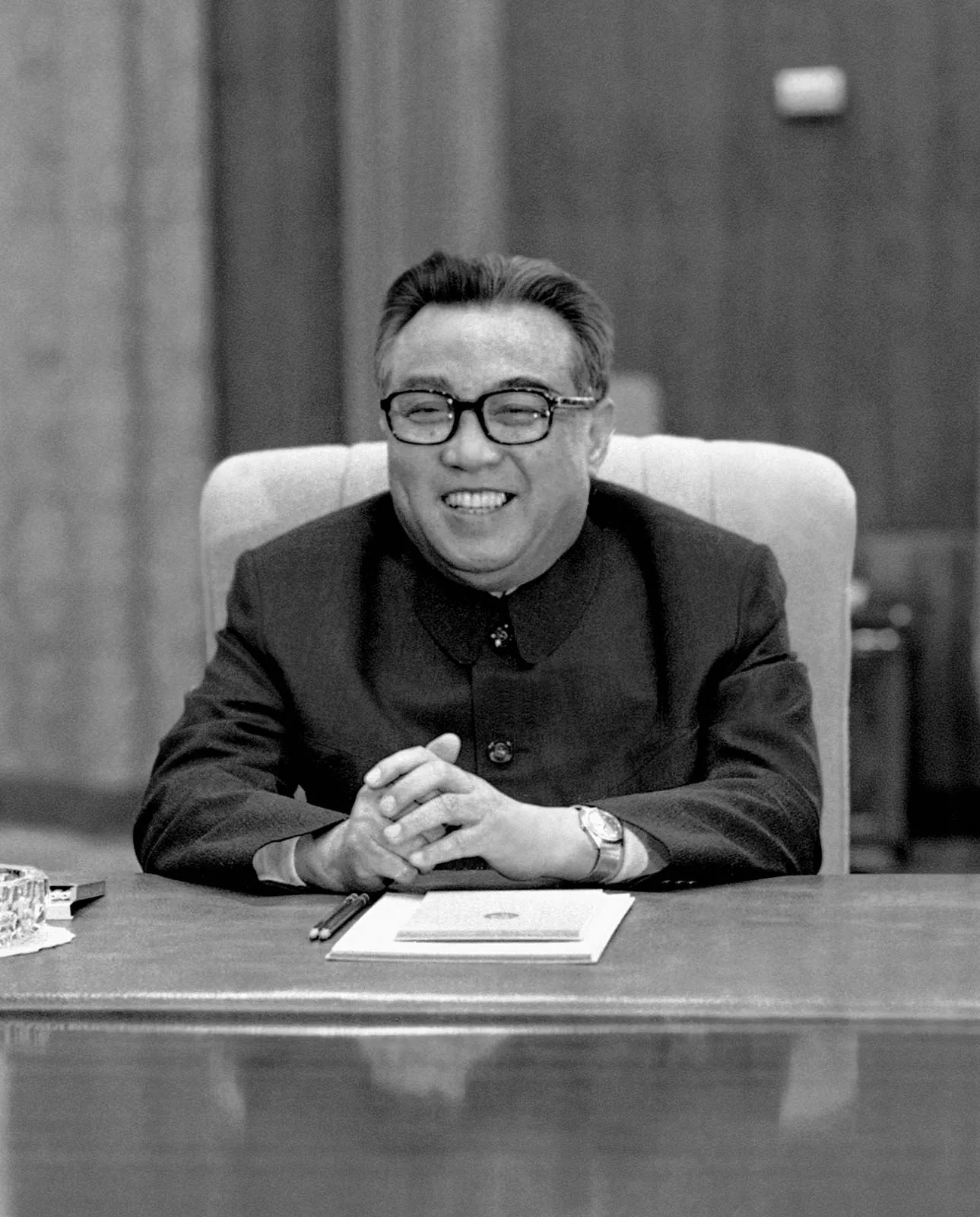
Kim Il-sung, the founding leader of North Korea, remains one of the most enigmatic and influential figures in modern history. His rule established the foundation of North Korean statehood and ideology, shaping not only the country’s domestic policies but also its international relations. This comprehensive examination delves into Kim Il-sung’s life, career, and the lasting impact of his leadership on North Korea and the broader geopolitical landscape.
Early Life and Education
Birth and Family Background
Kim Il-sung was born on April 15, 1912, in Mangyongdae, a suburb of Pyongyang, in what was then part of Korea under Japanese colonial rule. His early life was marked by the harsh realities of colonial rule, which influenced his political views and ambitions. His father, Kim Hyong-jik, was a prominent anti-Japanese activist, which instilled in Kim Il-sung a sense of nationalistic fervor and a commitment to Korean independence.
Education and Early Activism
Kim Il-sung’s education took place during a tumultuous period in Korean history. He attended a Korean school in Japan, where he was exposed to Marxist and anti-colonial ideas. His early involvement in revolutionary activities, including his association with communist groups, laid the groundwork for his future political career. Kim’s formative years were characterized by a growing commitment to the fight against Japanese imperialism and a desire to establish a socialist state in Korea.
Rise to Power
Involvement in Korean Resistance
Kim Il-sung’s political career began in earnest during the struggle against Japanese occupation. He joined the Korean independence movement, initially working with communist guerrilla groups in Manchuria and Korea. His leadership skills and strategic acumen during this period earned him a reputation as a formidable revolutionary leader.
After the end of World War II and the subsequent liberation of Korea from Japanese rule, Korea was divided along the 38th parallel into Soviet and American occupation zones. Kim Il-sung emerged as a key figure in the Soviet-occupied northern zone, receiving support from the Soviet Union, which facilitated his rise to power.
Establishment of the Democratic People’s Republic of Korea (DPRK)
In 1948, the Democratic People’s Republic of Korea (DPRK) was established in the northern part of Korea, with Kim Il-sung becoming its first Premier. His leadership was instrumental in consolidating communist control in the north and setting the stage for the creation of a socialist state. Kim’s vision for North Korea was rooted in a blend of Marxist-Leninist principles and Korean nationalism, which he termed “Juche,” or self-reliance.
The Korean War (1950-1953) was a pivotal moment in Kim Il-sung’s career. The conflict, which began with a North Korean invasion of South Korea, saw Kim Il-sung seeking to unify the Korean Peninsula under his rule. The war ended in an armistice, with the Korean Peninsula remaining divided along the 38th parallel. Despite the war’s devastating impact, Kim Il-sung’s leadership was strengthened as he emerged as a central figure in North Korean politics.
Leadership and Ideology
Juche Ideology
Kim Il-sung’s ideological framework, known as Juche, became the cornerstone of North Korean state ideology. Juche emphasized national self-reliance, independence from foreign influence, and the central role of the leader in guiding the nation. This ideology was embedded in all aspects of North Korean life and governance, shaping the country’s political, economic, and social policies.
Juche became a tool for consolidating Kim Il-sung’s power and justifying his policies. It positioned North Korea as a unique socialist state, distinct from other communist countries, and reinforced the notion of Kim Il-sung’s leadership as essential to the nation’s survival and success.
Cult of Personality
Kim Il-sung’s leadership was marked by the development of a pervasive cult of personality. This cult was characterized by the glorification of Kim Il-sung as the “Great Leader” and “Eternal President” of North Korea. His image was omnipresent, with statues, portraits, and propaganda reinforcing his role as the father of the nation and the ultimate authority in North Korean life.
The cult of personality extended to the education system, media, and public life, with Kim Il-sung being portrayed as a heroic figure who had liberated Korea from colonial rule and built a socialist state. This cult played a crucial role in maintaining his grip on power and ensuring the stability of the regime.
Domestic Policies and Reforms
Economic Policies
Kim Il-sung’s economic policies were centered around the principles of socialist planned economy and self-reliance. His government implemented various industrialization projects, focusing on heavy industries and military production. The state-controlled economy was designed to reduce dependence on foreign aid and imports, aligning with the Juche ideology.
However, the economic policies also led to inefficiencies and shortages, particularly in the agricultural sector. The focus on heavy industry and military spending often came at the expense of consumer goods and agricultural productivity, leading to periodic food shortages and economic difficulties.
Social and Cultural Policies
Under Kim Il-sung’s rule, North Korea saw significant changes in social and cultural policies. The regime promoted a strong sense of nationalism and loyalty to the state, using state-controlled media and education to shape public perception. Cultural activities and artistic expressions were heavily regulated to ensure they aligned with state ideology.
Kim Il-sung’s policies also included efforts to improve literacy and healthcare. The regime invested in education and health services, aiming to create a well-educated and healthy population that could contribute to the state’s goals. Despite these efforts, the overall quality of life in North Korea was often hampered by economic difficulties and political repression.
International Relations
Relations with the Soviet Union and China
During Kim Il-sung’s leadership, North Korea maintained close relations with the Soviet Union and China. The Soviet Union provided significant support during the early years of the DPRK, including economic aid and military assistance. Kim Il-sung’s alignment with Soviet-style communism was instrumental in shaping North Korea’s early policies.
However, relations with the Soviet Union became strained over time, particularly after the Sino-Soviet split. Kim Il-sung sought to balance his alliances, fostering a closer relationship with China while navigating the complexities of international diplomacy. The alliance with China was crucial during the Korean War, with Chinese troops playing a significant role in supporting North Korean forces.
Relations with the West and South Korea
Kim Il-sung’s relationship with Western countries and South Korea was characterized by hostility and conflict. The Korean War and subsequent Cold War tensions created a long-standing adversarial relationship with Western powers. North Korea’s pursuit of military and nuclear capabilities further strained relations with the international community.
Relations with South Korea remained fraught with tension and conflict. Despite periodic attempts at dialogue and reconciliation, the division of the Korean Peninsula continued to be a significant source of tension. Kim Il-sung’s policies and actions contributed to the ongoing rivalry between the two Koreas.
Legacy and Impact
Impact on North Korea
Kim Il-sung’s legacy is deeply ingrained in North Korean society and politics. His leadership established the foundation of the North Korean state and shaped its political and ideological framework. The Juche ideology remains a central component of North Korean policy, and the cult of personality surrounding Kim Il-sung continues to influence the country’s political culture.
Kim Il-sung’s influence also extends to the dynastic nature of North Korean leadership. His son, Kim Jong-il, and grandson, Kim Jong-un, have continued to uphold the principles established by Kim Il-sung, ensuring the continuity of the family’s rule and the preservation of the regime’s ideological foundations.
International Perception
Kim Il-sung’s rule has been the subject of significant international scrutiny and criticism. His regime’s human rights record, including reports of political repression, forced labor, and restricted freedoms, has drawn widespread condemnation. The impact of his leadership on regional stability and international relations remains a contentious issue.
Despite the criticisms, Kim Il-sung is also viewed by some as a figure who successfully established a sovereign state in a challenging geopolitical environment. His ability to navigate the complex dynamics of Cold War politics and maintain a distinct North Korean identity is seen as a significant achievement.
Historical and Cultural Context
To fully understand Kim Il-sung’s impact, it is important to consider the broader historical and cultural context. The division of Korea and the Cold War played a crucial role in shaping North Korea’s trajectory. Kim Il-sung’s leadership emerged from a period of intense conflict and transformation, influencing the development of North Korean society and its place in the global order.
The historical legacy of Japanese colonialism and the subsequent Cold War dynamics created a backdrop of tension and conflict. Kim Il-sung’s policies and actions must be understood within this context, highlighting the challenges and complexities of leading a nation under such conditions.
Conclusion
Kim Il-sung’s life and career represent a complex and influential chapter in modern history. His leadership established the foundations of North Korea and shaped its political and ideological landscape. Understanding Kim Il-sung’s achievements and impact provides valuable insights into the development of North Korean society and its role in international affairs.
SEO and Keyword Optimization
To ensure this article is optimized for search engines, the following keywords and phrases will be strategically integrated:
- Kim Il-sung
- North Korean leader
- Juche ideology
- Korean War impact
- North Korea’s political history
- Kim Il-sung legacy
- North Korean international relations
Integrating these keywords effectively will align the article with search intent and enhance its visibility on search engines, ensuring it reaches a broad audience interested in North Korean history and politics.


