
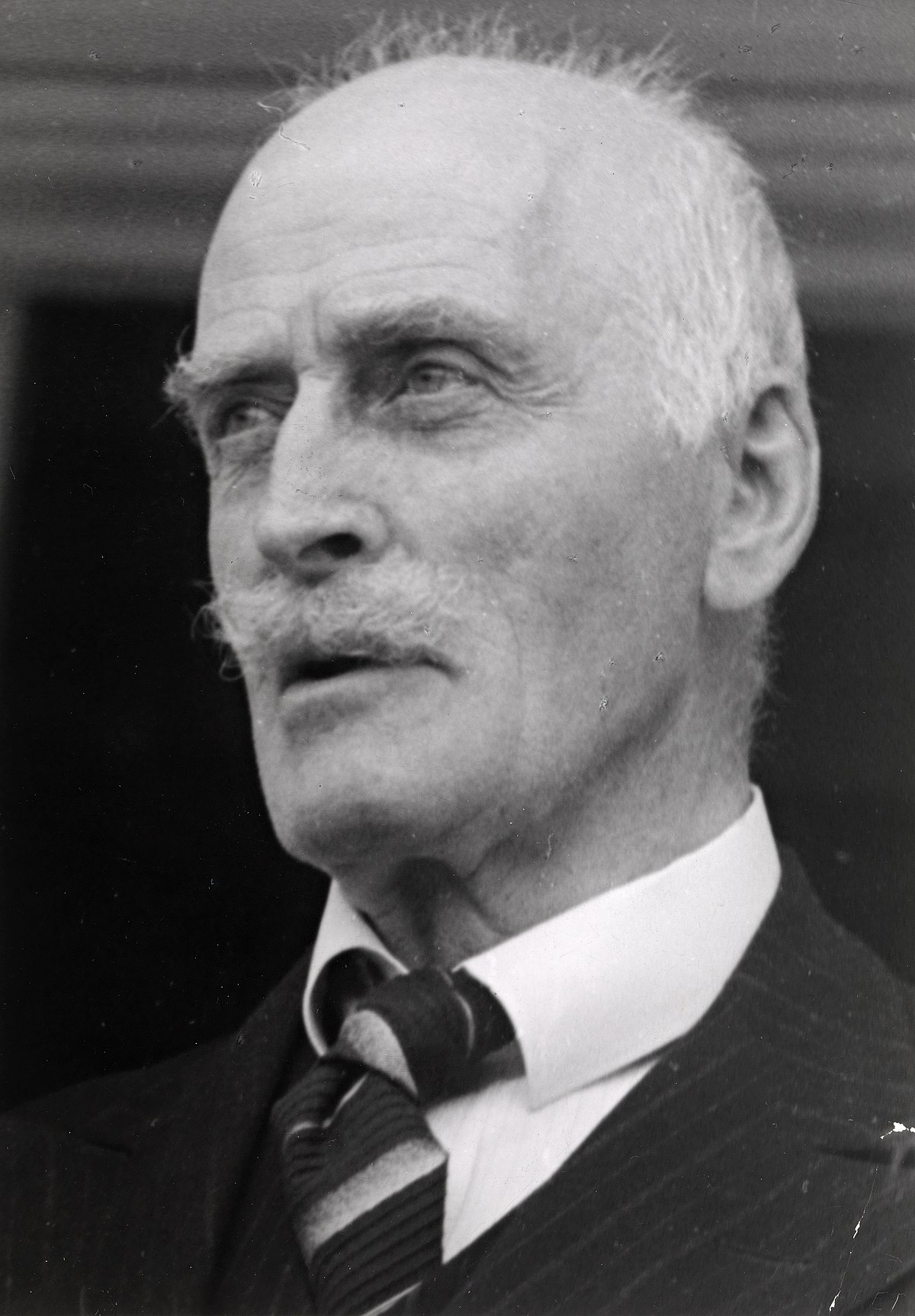
Knut Hamsun, born Knut Pedersen on August 4, 1859, in Lom, Norway, stands as one of the most influential figures in 20th-century literature. A neo-romantic novelist, poet, and dramatist, Hamsun’s life and works have left an indelible mark on both Norwegian and world literature. However, his legacy is complicated, marked by both artistic genius and controversial political sympathies.
Early Life and Background
Knut Hamsun was born into a modest family in the Gudbrandsdal valley of central Norway. His early years were marked by economic hardship, a theme that would permeate much of his later work. In 1862, when Hamsun was just three years old, his family moved to Hamarøy in northern Norway, where they attempted to improve their fortunes by managing a small farm. The stark, rugged landscapes of northern Norway deeply influenced Hamsun’s literary vision, fostering a lifelong connection to nature that would become a cornerstone of his work.
At the age of nine, due to continuing financial difficulties, Hamsun was sent to live with a strict, devout uncle who provided for his education. This period was challenging for Hamsun, as he later recounted the harsh discipline he endured. After completing his schooling in 1873, Hamsun spent several years wandering through Norway, taking on various jobs, including working as a clerk, cobbler, and laborer. These early experiences exposed him to the lives of ordinary people, informing the rich, often troubled characters that populate his novels.
Literary Beginnings
Hamsun’s literary journey began in earnest in 1877 with the publication of his first work, L’enigmatico – Storia d’amore del Nordland (“The Enigmatic Man – A Story of Love from Nordland”). However, it was not until 1890 that Hamsun achieved significant success with his novel Hunger (Sult in Norwegian). This semi-autobiographical work, written during a period of personal struggle and poverty, is considered one of the earliest examples of modernist literature. It vividly depicts the psychological turmoil of a starving writer in Kristiania (now Oslo), blending realism with the stream of consciousness technique. The novel’s raw portrayal of mental anguish and its critique of modern society resonated with readers and established Hamsun as a major literary figure.
Rise to Fame
Following the success of Hunger, Hamsun continued to explore the human psyche in his subsequent works. His novel Mysteries (Mysterier, 1892) delves into the mind of its enigmatic protagonist, Nagel, who arrives in a small town and disrupts the lives of its inhabitants. The novel’s blend of existential themes and psychological depth further solidified Hamsun’s reputation as a pioneering writer.
In 1894, Hamsun published Pan, a novel that reflects his deep connection to nature and his disdain for modern, industrialized society. The story, set in the wilds of northern Norway, follows the life of Lieutenant Glahn, a man whose isolation in nature leads to both profound insights and tragic consequences. Pan is often celebrated for its lyrical prose and its exploration of the tensions between civilization and the natural world.
Hamsun’s literary success was not confined to novels alone. He also ventured into drama, writing several plays, including The Game of Life (Livets Spil, 1896) and Sunset Glow (Aftenrøde, 1898). These works, although less well-known than his novels, contributed to his reputation as a versatile and innovative writer.
Personal Life and Ideological Controversies
In 1898, Hamsun married Bergljot Goepfert, a young widow. However, their marriage was fraught with difficulties, and Hamsun’s restless nature soon led him to resume his itinerant lifestyle. He traveled extensively, visiting countries across Europe and the Middle East, experiences that enriched his literary output. Despite his personal and professional success, Hamsun’s life was often marked by inner turmoil, a characteristic that is evident in the complex, often conflicted characters in his works.
By the early 20th century, Hamsun had become disillusioned with the materialism and industrialization that he believed were eroding traditional values. This disillusionment is reflected in his later works, such as Growth of the Soil (Markens Grøde, 1917), a novel that emphasizes the virtues of rural life and the importance of a close connection to the land. The novel was widely acclaimed, and in 1920, Hamsun was awarded the Nobel Prize in Literature for this work. Growth of the Soil remains one of his most enduring and influential novels, embodying his idealization of rural existence as a remedy for the ills of modern civilization.
However, Hamsun’s legacy is marred by his political sympathies during World War II. An ardent nationalist, Hamsun initially supported Germany’s invasion of Norway in 1940 and later expressed admiration for Adolf Hitler. This stance led to widespread condemnation, and after the war, Hamsun was arrested and briefly held in a psychiatric hospital. Although he was ultimately deemed mentally unfit to stand trial, his reputation suffered irreparable damage. In his final years, Hamsun attempted to defend his actions in his memoir On Overgrown Paths (Paa gjengrodde Stier, 1949), but the book did little to rehabilitate his public image.
Literary Style and Influence
Hamsun’s literary style is characterized by its lyrical prose, deep psychological insight, and a profound connection to nature. His works often explore themes of isolation, alienation, and the conflict between modernity and tradition. Hamsun was a master of portraying the inner lives of his characters, often delving into their subconscious thoughts and emotions in a way that was groundbreaking for his time.
Hamsun’s influence on literature is vast. He is often credited as a precursor to the modernist movement, and his works have inspired numerous writers, including Franz Kafka, Ernest Hemingway, and Thomas Mann. Hamsun’s ability to blend realism with symbolism and his focus on the individual’s inner life paved the way for the development of the psychological novel.
Legacy and Controversy
Despite his significant contributions to literature, Hamsun’s legacy is complex and controversial. His political views, particularly his support for Nazi Germany, have overshadowed his literary achievements in the eyes of many. However, others argue that his literary genius should be evaluated separately from his political beliefs.
Today, Hamsun remains a polarizing figure. In Norway, his works are still widely read and studied, though his reputation is often viewed through the lens of his political actions. Internationally, Hamsun is recognized as one of the greatest literary figures of the 20th century, but his political sympathies continue to provoke debate.
Conclusion
Knut Hamsun’s life was marked by both extraordinary literary success and profound personal controversy. Born into poverty in rural Norway, he rose to become one of the most celebrated writers of his time, known for his innovative narrative techniques and deep psychological insights. However, his political views during World War II have cast a long shadow over his legacy.
As we reflect on Hamsun’s contributions to literature, it is essential to consider the complexities of his life and work. While his political sympathies are indefensible, his literary achievements cannot be ignored. Hamsun’s works continue to be studied and appreciated for their artistic merit, even as the debate over his legacy endures.
Hamsun’s story is a reminder of the complicated relationship between an artist’s life and their work. It challenges us to grapple with the nuances of history and to consider how we remember and honor the contributions of those who have shaped our cultural heritage. Knut Hamsun remains a towering figure in literature, his works a testament to the enduring power of the written word.


