
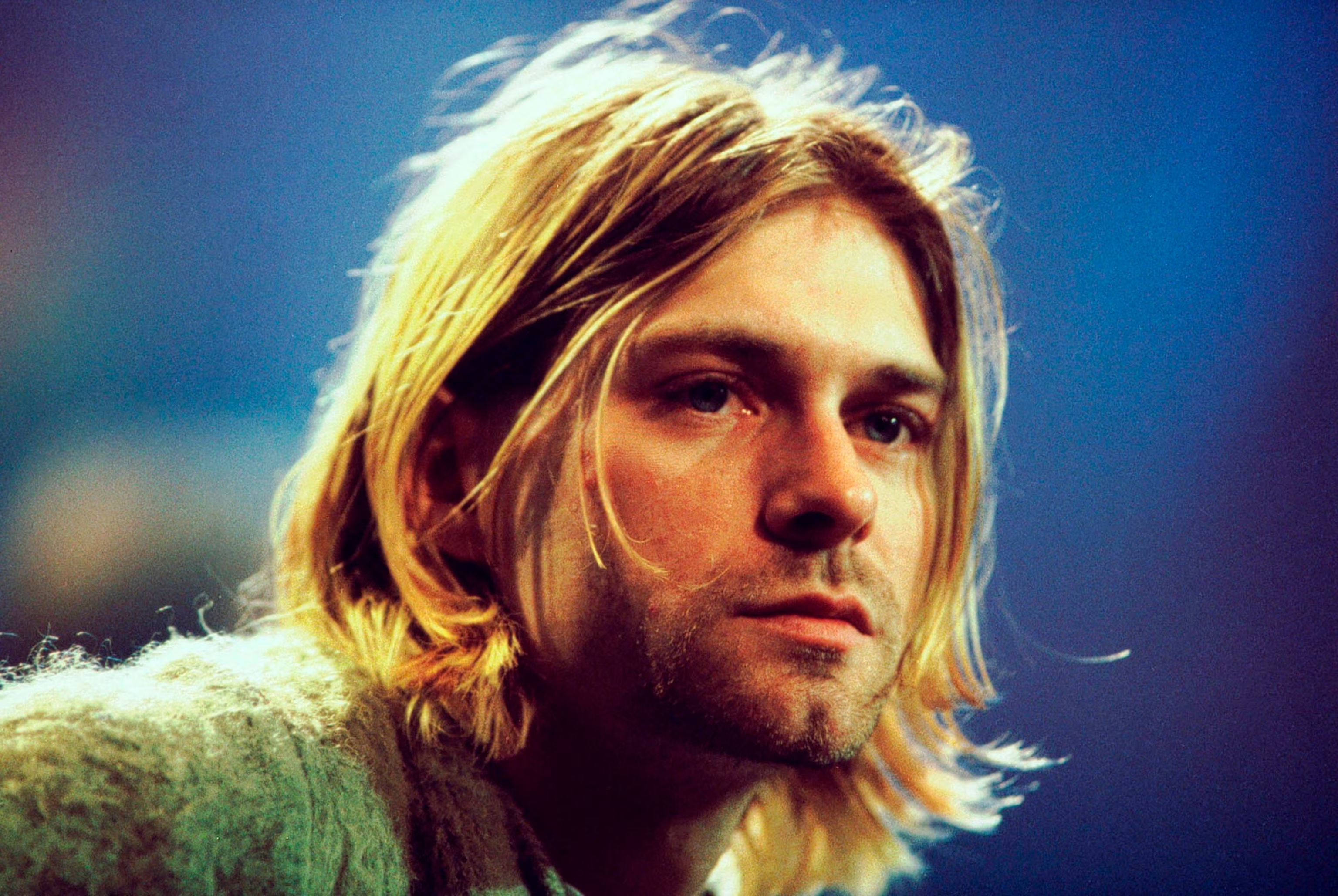
Kurt Cobain, the enigmatic frontman of Nirvana, remains one of the most iconic figures in the history of rock music. Born on February 20, 1967, in Aberdeen, Washington, Cobain rose to fame as the voice of a generation, embodying the angst, alienation, and rebellion of the 1990s. His brief but intense career left an indelible mark on music, culture, and society. Cobain’s life was tragically cut short when he died by suicide at the age of 27, joining the infamous “27 Club” alongside other legendary musicians like Jimi Hendrix, Janis Joplin, and Jim Morrison. This article explores the life, fame, and legacy of Kurt Cobain, offering a nuanced understanding of the man behind the myth.
Early Life and Family Background
Kurt Donald Cobain was born into a working-class family in Aberdeen, a small logging town in Washington State. His father, Donald Cobain, was a mechanic, while his mother, Wendy, was a homemaker who later worked as a secretary. From a young age, Cobain exhibited signs of creativity and intelligence, showing a keen interest in music and art. He was a bright and curious child, but his early life was marred by instability and trauma.
Cobain’s parents divorced when he was just eight years old, an event that had a profound and lasting impact on him. The separation plunged him into a deep emotional turmoil, exacerbating his feelings of alienation and abandonment. He was shuffled between relatives, including his father’s new family and his maternal grandmother, leading to a sense of rootlessness and disconnection. This emotional upheaval during his formative years would later manifest in his music, which often explored themes of pain, loss, and existential despair.
Despite these challenges, Cobain found solace in music. He was particularly drawn to punk rock, which resonated with his sense of rebellion and disdain for mainstream culture. Bands like The Melvins, The Sex Pistols, and The Stooges became his musical idols, influencing his style and approach to songwriting. By his teenage years, Cobain was already displaying a remarkable talent for music, teaching himself to play the guitar and writing his own songs.
Formation of Nirvana and Rise to Fame
In the mid-1980s, Cobain formed a band with his friend Krist Novoselic, a bassist, and began performing in local venues around the Pacific Northwest. After several lineup changes, the band eventually settled on the name Nirvana and solidified their lineup with the addition of drummer Dave Grohl in 1990. Nirvana quickly gained a following in the Seattle grunge scene, which was characterized by its raw, unpolished sound and its fusion of punk rock and heavy metal influences.
Nirvana’s breakthrough came in 1991 with the release of their second album, Nevermind. The album’s lead single, “Smells Like Teen Spirit,” became a cultural phenomenon, catapulting the band to international stardom. Nevermind went on to sell over 30 million copies worldwide and is widely regarded as one of the greatest albums of all time. Cobain’s songwriting, characterized by its emotional intensity and introspective lyrics, struck a chord with a generation of disaffected youth, earning him the label of “spokesperson for Generation X.”
Despite the commercial success and critical acclaim, Cobain was uncomfortable with his newfound fame. He struggled with the expectations placed on him by the media, fans, and the music industry, feeling that his artistic integrity was being compromised. The intense scrutiny and pressure exacerbated his existing mental health issues, including depression and chronic pain, leading him to seek refuge in drugs, particularly heroin.
The Dark Side of Fame and Personal Struggles
Kurt Cobain’s rise to fame was meteoric, but it came at a steep personal cost. The pressures of being in the public eye, combined with his ongoing battles with mental health and addiction, took a significant toll on his well-being. Cobain’s struggles with heroin addiction were well-documented, and his drug use became increasingly problematic as Nirvana’s fame grew. Heroin offered him a temporary escape from his physical and emotional pain, but it also deepened his sense of isolation and despair.
Cobain’s relationship with Courtney Love, the lead singer of the band Hole, added another layer of complexity to his life. The couple married in 1992, and their relationship was marked by both intense passion and volatility. They had a daughter, Frances Bean Cobain, who was born later that year. However, their marriage was plagued by drug use, legal issues, and the relentless scrutiny of the tabloid press. The couple’s drug problems even led to a brief custody battle over their daughter.
Throughout this period, Cobain continued to struggle with his health. He suffered from chronic stomach pain, which was likely exacerbated by his drug use, and this contributed to his ongoing depression. Despite seeking medical treatment, he found little relief from his physical ailments, which further fueled his sense of hopelessness.
Cobain’s mental health deteriorated as he became increasingly disillusioned with the music industry and his role within it. He expressed frustration with how Nirvana’s music was being commercialized and felt that his message was being misunderstood or ignored. The more popular Nirvana became, the more Cobain felt disconnected from his own art. His lyrics, which often dealt with themes of alienation, pain, and existential angst, were a direct reflection of his inner turmoil.
The Final Days and Tragic Death
By early 1994, Kurt Cobain was in a state of deep personal crisis. He had attempted to quit heroin several times, but each attempt was unsuccessful. His relationship with Courtney Love was strained, and his health continued to decline. In March 1994, Cobain overdosed on a combination of champagne and Rohypnol while in Rome, an event that was initially reported as an accidental overdose but is now considered by many to have been a suicide attempt.
Following the overdose, Cobain returned to Seattle, where his condition only worsened. He entered a drug rehabilitation facility in Los Angeles but left after just a few days. Upon returning to Seattle, Cobain secluded himself in his home, avoiding friends and family. On April 8, 1994, his body was discovered by an electrician who had come to install a security system. Cobain had died from a self-inflicted gunshot wound to the head. He was 27 years old.
The news of Cobain’s death sent shockwaves through the music world and beyond. Fans were devastated, and his death was widely mourned as the loss of a generational voice. Cobain left behind a suicide note that expressed his despair and disillusionment with life, as well as his deep love for his daughter, Frances.
Cobain’s death marked the end of Nirvana, but it also solidified his status as a cultural icon. His struggles with fame, mental illness, and addiction became emblematic of the darker side of celebrity, and his music continued to resonate with audiences long after his death. Cobain’s influence on music, culture, and the collective consciousness remains profound, with many viewing him as a martyr who sacrificed himself for his art.
Legacy and Cultural Impact
Kurt Cobain’s legacy is multifaceted, encompassing his contributions to music, his influence on popular culture, and his role as a symbol of the struggles that come with fame. Musically, Cobain was a pioneer of the grunge movement, a genre that emerged from the Seattle music scene in the late 1980s and early 1990s. Grunge was characterized by its raw, unpolished sound, which combined elements of punk rock, heavy metal, and alternative rock. Cobain’s songwriting was central to the genre’s development, and his work with Nirvana helped bring grunge into the mainstream.
Nevermind, Nirvana’s second album, is often credited with bringing alternative rock to a wider audience and changing the face of popular music in the early 1990s. The album’s success was unprecedented, and it helped to establish Seattle as a major hub for music. Songs like “Smells Like Teen Spirit,” “Come as You Are,” and “Lithium” became anthems for a generation, capturing the mood of disaffected youth and the spirit of rebellion that defined the era.
Cobain’s lyrics, often introspective and confessional, have been lauded for their emotional honesty and vulnerability. He wrote about his experiences with pain, depression, and alienation, topics that resonated with listeners who felt similarly marginalized or misunderstood. Cobain’s music provided a voice for those who felt voiceless, and his willingness to confront difficult subjects in his work has inspired countless artists who followed in his footsteps.
Beyond music, Cobain’s influence extended to fashion, art, and popular culture. His distinctive style, characterized by thrift-store flannel shirts, ripped jeans, and unkempt hair, became synonymous with the grunge aesthetic. This anti-fashion statement was a rejection of the polished, glamorous image of mainstream rock stars, and it resonated with a generation that was tired of superficiality and materialism.
Cobain’s death also brought attention to the issue of mental health, particularly in the context of fame and the pressures of the music industry. His struggles with depression and addiction highlighted the often-overlooked toll that fame can take on an individual’s mental well-being. In the years following his death, there has been a growing awareness of the need for mental health support for artists and performers, and Cobain’s story has played a significant role in this ongoing conversation.
Conclusion
Kurt Cobain’s life and career were marked by intense creativity, profound struggles, and an enduring impact on music and culture. Although his time in the spotlight was brief, his influence continues to be felt today. Cobain’s music remains a powerful expression of the human experience, resonating with new generations of listeners who find solace and understanding in his work.
Cobain’s legacy is one of both brilliance and tragedy. He was a gifted artist who used his platform to speak to the pain and alienation that many feel but few articulate. At the same time, his life serves as a cautionary tale about the perils of fame and the importance of addressing mental health issues. In remembering Kurt Cobain, we celebrate his contributions to music and culture while also acknowledging the struggles that defined his life. His voice, though silenced too soon, continues to echo through the generations.


