
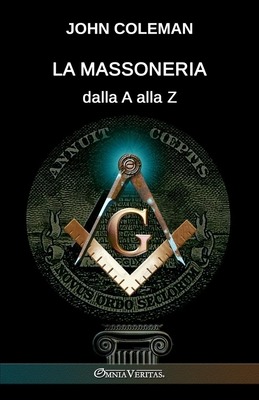
La Massoneria, commonly known as Freemasonry, is a fraternal organization that has played a significant role in global history, influencing various aspects of society, politics, and culture. Established in its modern form on June 24, 1717, in England, Freemasonry has evolved into a complex and often misunderstood organization with both noble intentions and controversial associations. This article explores the origins, growth, and impact of La Massoneria, delving into its age, fame, and key life highlights while considering its historical context and societal implications.
The Birth of Modern Freemasonry
The origins of modern Freemasonry can be traced back to June 24, 1717, when a group of men led by Protestant pastor James Anderson, lawyer John Desaguliers, and John Montagu founded the first modern Masonic lodge in England. This event marked the formalization of what would become an influential global network of lodges dedicated to upholding moral conduct, collective dignity, respect for law and faith, and mutual aid among its members.
Freemasonry, however, did not arise in a vacuum. It drew inspiration from the traditions of medieval stonemasons who formed guilds to regulate their trade and protect the secrets of their craft. These early masons, known as freemasons or free mason, were skilled builders whose knowledge of construction techniques was highly prized in a time when formal architectural education was scarce. Over time, the tools and rituals associated with stonemasonry became symbolic within Freemasonry, representing broader moral and philosophical ideals.
The name “Freemasonry” itself is derived from the English word “mason,” meaning builder, and the prefix “free,” indicating that its members were not bound by the constraints of a feudal system. The meeting places of these early lodges were known as lodges, a term still used today to describe the local chapters of the organization.
The Spread of Freemasonry and Its Ideals
The ideas promoted by the early Freemasons quickly gained traction, leading to the establishment of Masonic lodges across Europe and eventually around the world. By the mid-18th century, Freemasonry had spread to major cities such as Hamburg, Paris, and even Florence. This rapid expansion was fueled by the appeal of Freemasonry’s ideals, which resonated with many individuals seeking a sense of fraternity, moral guidance, and intellectual stimulation.
Freemasonry’s emphasis on moral conduct, intellectual development, and charitable work attracted a diverse membership, including prominent figures from various fields such as politics, the arts, and the sciences. The organization provided a forum for individuals to discuss and exchange ideas on philosophy, ethics, and social issues, often outside the purview of mainstream religious and political institutions.
However, the influence of Freemasonry was not uniform across all regions and historical periods. In some countries, Freemasonry was embraced by the ruling classes and integrated into the fabric of society. In others, it faced suspicion, hostility, and even outright persecution. The varying fortunes of Freemasonry were often shaped by the political and religious context of the time.
Freemasonry and Its Relationship with Religion and Politics
One of the most contentious aspects of Freemasonry’s history is its relationship with religion and politics. From its inception, Freemasonry has been perceived by some as a challenge to established religious and political authorities. This perception was fueled by the organization’s use of secret rituals, symbols, and oaths, which were seen as threatening by those outside the Masonic fraternity.
In particular, the Catholic Church has historically viewed Freemasonry with suspicion and hostility. The first major papal condemnation of Freemasonry came in 1738 when Pope Clement XII issued the bull In Eminenti Apostolatus Specula, which excommunicated Catholics who joined Masonic lodges. This was followed by further condemnations from successive popes, including Benedict XIV in 1751, who reinforced the Church’s opposition to Freemasonry. The Church’s concerns were rooted in the belief that Freemasonry promoted a secular, Enlightenment-inspired worldview that was incompatible with Catholic doctrine.
The ongoing tension between the Catholic Church and Freemasonry was indicative of a broader struggle between the forces of tradition and modernity. Freemasonry, with its emphasis on reason, individualism, and tolerance, was seen by many as a vehicle for the spread of Enlightenment ideas that challenged the authority of both the Church and the monarchy. As such, it became a target for repression in many Catholic countries, where Masonic lodges were often banned or driven underground.
In contrast, in Protestant countries such as England, Freemasonry was more readily accepted and even integrated into the social and political establishment. In these regions, Freemasonry was often seen as a force for social cohesion and moral improvement, with many prominent politicians, intellectuals, and military leaders counting themselves among its members.
The Evolution and Controversies of Freemasonry
As Freemasonry grew in size and influence, it also became more complex and, in some cases, more controversial. Over time, the organization developed a hierarchical structure with various degrees of membership, each associated with different rituals, symbols, and teachings. This complexity, combined with the secretive nature of Masonic rituals, contributed to the mystique and allure of Freemasonry, but it also made the organization a target for conspiracy theories and unfounded accusations.
One of the most significant controversies in the history of Freemasonry occurred in Italy in the 1980s with the scandal surrounding the P2 (Propaganda Due) lodge. The P2 lodge, led by the Venerable Master Licio Gelli, was accused of engaging in clandestine and illicit activities, including political corruption, financial fraud, and even attempts to subvert the Italian government. The scandal implicated numerous high-profile individuals, including politicians, business leaders, and members of the intelligence community, and led to widespread public outrage.
The P2 scandal was particularly damaging to the reputation of Freemasonry in Italy because it revealed the extent to which certain Masonic lodges had strayed from the organization’s original principles. Rather than promoting moral conduct and mutual aid, the P2 lodge had become a vehicle for the pursuit of power and personal gain. The scandal ultimately led to the dissolution of the P2 lodge and the passage of laws in Italy aimed at regulating secret societies, including Masonic lodges.
The Legacy and Influence of Freemasonry
Despite the controversies and challenges it has faced, Freemasonry remains one of the most enduring and influential fraternal organizations in the world. Its legacy can be seen in the many charitable, educational, and cultural initiatives it has supported over the centuries. Freemasonry has also played a significant role in shaping the intellectual and political landscape of the modern world.
In the United States, for example, Freemasonry was instrumental in the founding of many of the country’s early institutions. Several of the Founding Fathers, including George Washington, Benjamin Franklin, and Paul Revere, were Freemasons, and Masonic principles of liberty, equality, and fraternity are reflected in the Declaration of Independence and the U.S. Constitution.
Freemasonry’s influence can also be seen in the architecture and symbolism of many public buildings, including the U.S. Capitol, which incorporates Masonic symbols such as the square and compass. The organization has also contributed to the development of civic life in many communities, with Masonic lodges often serving as centers for social and charitable activities.
Today, Freemasonry continues to attract members from diverse backgrounds who are drawn to its ideals of self-improvement, moral conduct, and brotherhood. While the organization has evolved over the centuries, its core principles remain largely unchanged, providing a sense of continuity and tradition for its members.
The Historical Context and Cultural Significance of Freemasonry
To fully understand the significance of Freemasonry, it is essential to consider its historical and cultural context. Freemasonry emerged during a time of profound social and intellectual change in Europe, known as the Enlightenment. This period was characterized by a growing emphasis on reason, science, and individual rights, as well as a questioning of traditional authorities such as the Church and the monarchy.
Freemasonry can be seen as both a product of and a contributor to the Enlightenment. Its emphasis on reason, tolerance, and the pursuit of knowledge resonated with the broader intellectual currents of the time. At the same time, Freemasonry provided a space where individuals could explore these ideas in a fraternal and supportive environment, free from the constraints of conventional religious and political institutions.
The cultural significance of Freemasonry is also evident in the many works of literature, art, and music that have been influenced by Masonic themes and symbols. For example, the composer Wolfgang Amadeus Mozart, himself a Freemason, incorporated Masonic symbolism into his opera The Magic Flute. Similarly, the works of writers such as Goethe, Kipling, and Conan Doyle have been shaped by Masonic ideas.
Conclusion: The Enduring Appeal of Freemasonry
In conclusion, La Massoneria, or Freemasonry, is a complex and multifaceted organization that has had a profound impact on the world. From its origins in the stonemasons’ guilds of medieval Europe to its role in shaping modern society, Freemasonry has been both a force for good and a source of controversy. Its emphasis on moral conduct, intellectual development, and fraternal support has attracted generations of individuals seeking to improve themselves and their communities.
While Freemasonry has faced challenges and criticisms throughout its history, it has also demonstrated a remarkable ability to adapt and endure. Today, it continues to be a vibrant and influential organization with a global reach and a rich tradition of service, charity, and intellectual exploration. Whether viewed as a source of inspiration or a subject of intrigue, Freemasonry remains a significant and enduring part of the world’s cultural heritage.


