
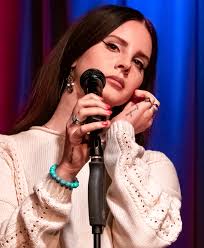
Lana Del Rey, born Elizabeth Woolridge Grant on June 21, 1986, in New York City, is a highly influential and enigmatic figure in contemporary music. Known for her cinematic sound, melancholic themes, and vintage aesthetics, Del Rey has carved out a unique space in the music industry. Her rise to fame is a story of reinvention, resilience, and artistic exploration, making her one of the most intriguing artists of her generation. This article delves into the life, career, and impact of Lana Del Rey, exploring her journey from a troubled youth to a global music icon.
Early Life and Troubled Adolescence
Elizabeth Grant was born into a middle-class family and grew up in Lake Placid, a small town in upstate New York. Her father, Robert Grant, is a successful domain investor, and her mother, Patricia, worked as a teacher. Elizabeth’s early life was marked by a struggle with identity and a sense of isolation, which would later be reflected in her music. At the age of 14, she was sent to a boarding school in Connecticut due to her struggles with alcohol addiction—a battle she would openly address in her later work.
Despite these challenges, Elizabeth developed a deep love for music during her teenage years. At 18, she learned to play the guitar from her uncle, which sparked her interest in songwriting. She began performing in clubs around New York City, under various stage names, including May Jailer and Lizzy Grant, experimenting with different musical styles and personas.
The Birth of Lana Del Rey
The transformation from Elizabeth Grant to Lana Del Rey marked a significant turning point in her career. This new persona was carefully crafted, blending elements of old Hollywood glamour with a modern, melancholic twist. The name “Lana Del Rey” was inspired by a combination of the late Hollywood actress Lana Turner and the Ford Del Rey, a car that became iconic in South America. This new identity allowed her to fully embrace the themes of nostalgia, tragedy, and romance that would become central to her music.
In 2008, she released her first EP, “Kill Kill,” under the name Lizzy Grant, but it failed to gain significant attention. Undeterred, she continued to refine her sound and image, eventually signing with 5 Point Records. In 2010, she released her debut album, “Lana Del Ray A.K.A. Lizzy Grant,” but it too received little notice and was quickly pulled from the market. However, this album would later become a sought-after collector’s item as her fame grew.
Breakthrough with “Born to Die”
Lana Del Rey’s big break came in 2011 with the release of her single “Video Games.” Uploaded to YouTube, the song quickly went viral, captivating listeners with its haunting melody and Del Rey’s distinctive voice. The accompanying homemade music video, featuring vintage footage interspersed with clips of Del Rey, added to the song’s nostalgic appeal. “Video Games” was a commercial success and earned her a Q Award for “Next Big Thing.”
Riding the wave of this success, Del Rey released her second studio album, “Born to Die,” in January 2012 through Polydor and Interscope Records. The album was an instant hit, reaching the top of the charts in multiple countries. It featured a blend of baroque pop, hip hop beats, and cinematic strings, creating a lush, atmospheric sound that became Del Rey’s signature. The album’s title track, along with songs like “Blue Jeans” and “Summertime Sadness,” solidified her status as a rising star in the music industry.
Despite its commercial success, “Born to Die” was met with mixed reviews from critics. Some praised its originality and Del Rey’s unique style, while others criticized its lyrical content and accused her of being inauthentic. However, these critiques did little to slow her momentum. The album went on to sell millions of copies worldwide and became one of the best-selling albums of 2012. Del Rey’s sultry, melancholic persona resonated with a generation of listeners, and she quickly developed a dedicated fanbase.
Musical Evolution and Continued Success
Following the success of “Born to Die,” Lana Del Rey continued to explore and refine her musical style. In November 2012, she released the EP “Paradise,” which included the single “Ride.” The accompanying music video, directed by Anthony Mandler, was an 11-minute short film that showcased Del Rey’s fascination with Americana and themes of freedom, rebellion, and existential longing. The video received both praise and controversy for its portrayal of a complex, troubled character, further cementing Del Rey’s image as a provocative and unconventional artist.
Del Rey’s next full-length album, “Ultraviolence,” was released in 2014. Produced by Dan Auerbach of The Black Keys, the album marked a shift towards a more rock-oriented sound, with darker, more introspective lyrics. “Ultraviolence” debuted at number one on the Billboard 200, and songs like “West Coast” and “Shades of Cool” showcased Del Rey’s ability to evolve as an artist while maintaining her unique identity. The album’s title, a reference to Anthony Burgess’s novel “A Clockwork Orange,” highlighted Del Rey’s literary influences and her ongoing exploration of themes like violence, love, and identity.
In 2015, Del Rey released “Honeymoon,” which saw her returning to the dreamy, cinematic sound of her earlier work. The album was well-received by critics and fans alike, with standout tracks like “High by the Beach” and “Freak.” Del Rey’s ability to blend vintage influences with contemporary sounds continued to set her apart in the music industry.
“Lust for Life” and Cultural Impact
Lana Del Rey’s fifth studio album, “Lust for Life,” released in 2017, marked a significant evolution in her music and public persona. The album featured collaborations with artists like The Weeknd, A$AP Rocky, and Stevie Nicks, and showcased a more optimistic and politically engaged side of Del Rey. Songs like “Love” and “Lust for Life” reflected a newfound sense of hope and resilience, while tracks like “God Bless America – And All the Beautiful Women in It” addressed contemporary social and political issues.
“Lust for Life” received widespread critical acclaim and debuted at number one on the Billboard 200, making it Del Rey’s second album to top the charts. The album’s success further solidified her status as one of the most influential and versatile artists of her generation. Del Rey’s ability to seamlessly blend genres, from pop and rock to hip hop and jazz, has earned her a unique place in the music industry.
Beyond her music, Lana Del Rey’s impact on popular culture is undeniable. Her vintage-inspired aesthetic, characterized by retro fashion, nostalgic visuals, and melancholic themes, has influenced countless artists and designers. Del Rey’s music videos, often described as mini-movies, have become iconic in their own right, with visuals that evoke the glamour and tragedy of old Hollywood. Her influence extends beyond music to fashion, film, and even literature, with Del Rey often citing poets like Walt Whitman and Sylvia Plath as major influences on her work.
The Continued Evolution of an Icon
In 2019, Lana Del Rey released “Norman Fucking Rockwell!” which is widely regarded as her magnum opus. The album, produced by Jack Antonoff, received universal acclaim from critics and was nominated for Album of the Year at the Grammy Awards. “Norman Fucking Rockwell!” is a masterful blend of introspection and cultural commentary, with songs like “Mariners Apartment Complex” and “Venice Bitch” showcasing Del Rey’s lyrical prowess and musical versatility. The album’s title is a reference to the American painter Norman Rockwell, whose idyllic portrayals of American life are juxtaposed with Del Rey’s more nuanced and often critical perspective.
Del Rey’s willingness to experiment and push the boundaries of her sound has kept her relevant and respected in an ever-changing music industry. Her follow-up albums, “Chemtrails over the Country Club” (2021) and “Blue Banisters” (2021), continued to explore themes of Americana, identity, and the human experience, further solidifying her place as a cultural icon.
Historical Context and Influence
Lana Del Rey’s music is deeply rooted in American culture and history, drawing on a wide range of influences from mid-century pop culture to contemporary issues. Her work often reflects a nostalgia for a bygone era, with references to classic American icons, vintage cars, and the glamour of old Hollywood. However, beneath this veneer of nostalgia lies a more complex exploration of themes like disillusionment, fame, and the darker side of the American Dream.
Del Rey’s music can be seen as a commentary on the contradictions inherent in American culture, where beauty and tragedy often coexist. Her portrayal of flawed, complex characters—women who are both empowered and vulnerable—resonates with a generation that is grappling with similar contradictions in their own lives. Del Rey’s influence on the music industry is evident in the wave of artists who have followed in her footsteps, embracing a similar blend of melancholy, nostalgia, and cinematic storytelling.
Conclusion
Lana Del Rey’s journey from Elizabeth Grant to a global music icon is a story of transformation, resilience, and artistic exploration. Her ability to blend vintage aesthetics with contemporary sounds, coupled with her introspective lyrics and distinctive voice, has made her one of the most influential artists of the 21st century. As she continues to evolve and push the boundaries of her music, Lana Del Rey remains a captivating and enigmatic figure, whose impact on music and culture will be felt for generations to come.
Her story is not just one of fame and success, but also of perseverance in the face of adversity, and a relentless pursuit of artistic authenticity. Lana Del Rey’s music, with its haunting beauty and emotional depth, offers a poignant reflection on the complexities of modern life, making her an artist who truly defines her generation.


