
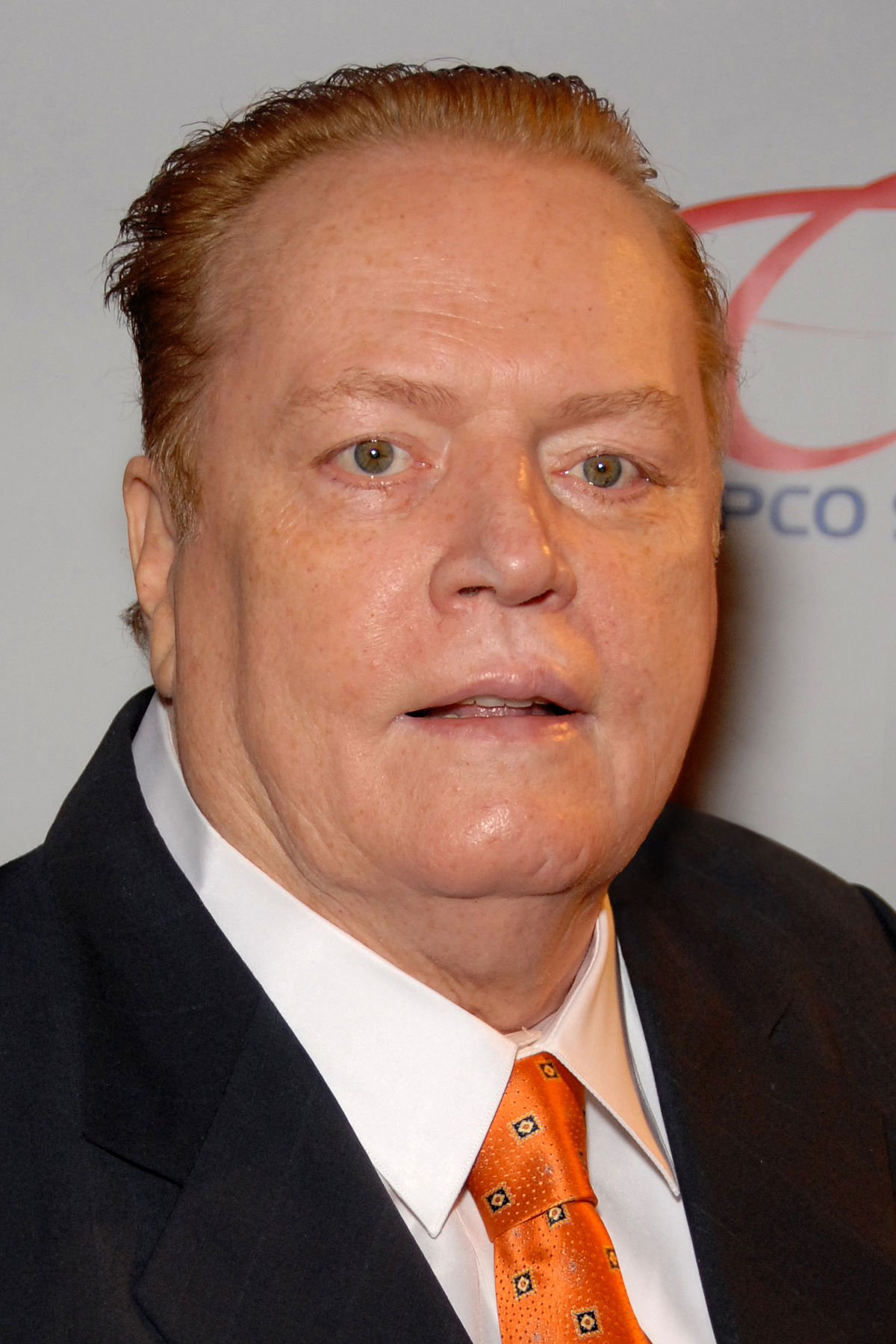
Introduction: The Controversial Mogul Who Redefined Free Speech
Larry Flynt, born on November 1, 1942, in Salyersville, Kentucky, was a man whose life and career were marked by controversy, resilience, and a relentless fight for free speech. As the founder of Hustler magazine, Flynt became a central figure in the battle over the boundaries of the First Amendment in the United States. His influence extended far beyond the adult entertainment industry, touching on political activism, legal battles, and even Hollywood. This article delves into the life, fame, and key highlights of Larry Flynt’s career, exploring the complex legacy of a man who both challenged and shaped American culture.
Early Life: A Troubled Childhood in Rural Kentucky
A Difficult Start
Larry Flynt’s early life was anything but easy. Born into a poor family in rural Kentucky, Flynt’s childhood was marred by instability. His parents divorced when he was young, and he lived with his mother while his father struggled with alcoholism. This turbulent home life had a profound impact on young Larry, who found solace in the care of his grandparents. The harsh realities of his upbringing also affected his education; Flynt dropped out of school at the age of 15 and lied about his age to enlist in the U.S. Army.
Early Ventures and Personal Struggles
After a brief stint in the Army, Flynt joined the U.S. Navy, serving as a radar operator on an aircraft carrier. By the time he was 21, Flynt had already experienced bankruptcy and two failed marriages. These early personal and financial struggles, however, did not deter him. Instead, they fueled his ambition and drive to succeed, setting the stage for his future endeavors in business.
The Birth of a Business Empire: From Bars to Hustler Magazine
Entrepreneurial Beginnings
In 1965, at the age of 23, Larry Flynt made his first significant business move by purchasing a bar in Dayton, Ohio, for $6,000. This initial investment proved to be lucrative, and within a few years, Flynt owned several bars in the area. Always on the lookout for new opportunities, Flynt was quick to capitalize on the emerging “go-go” dancing trend that was sweeping across America. He transformed his bars into strip clubs, tapping into the cultural shifts of the 1960s that emphasized sexual liberation and the breaking down of traditional social norms.
The Creation of Hustler Magazine
Flynt’s foray into publishing began as a promotional tool for his strip clubs. He started a newsletter featuring the dancers from his clubs, which quickly gained popularity among his patrons. Sensing a larger opportunity, Flynt expanded the newsletter into a full-fledged magazine. In June 1974, the first issue of Hustler magazine was published. Unlike Playboy, which presented a more polished and sophisticated image of eroticism, Hustler was raw, explicit, and unashamedly provocative. It catered to a different audience, one that sought unfiltered content that pushed the boundaries of what was socially acceptable.
Explosive Growth and Controversy
The magazine’s circulation soared in 1975 when Flynt published nude photographs of Jacqueline Kennedy Onassis, taken by a paparazzo. This bold move not only catapulted Hustler to national attention but also solidified Flynt’s reputation as a publisher who was unafraid to challenge societal norms. However, this success came at a cost, as Flynt and his then-girlfriend, Althea Leasure, who later became his wife, faced legal challenges for publishing obscene material.
Legal Battles and Personal Struggles: The Cost of Controversy
The Fight Against Obscenity Charges
Larry Flynt’s career was characterized by a series of legal battles that tested the limits of the First Amendment. In February 1977, Flynt was convicted on obscenity charges and sentenced to serve 7 to 25 years in prison, along with a fine of $11,000. However, Flynt appealed the decision and was released on bail. The legal struggles continued, with Flynt often finding himself at odds with the judicial system and conservative elements of society who sought to curb his provocative publications.
The Assassination Attempt and Its Aftermath
One of the most dramatic moments in Flynt’s life occurred on March 6, 1978, when he was shot outside a courthouse in Georgia. The attack was carried out by Joseph Paul Franklin, a white supremacist who later claimed he was motivated by Flynt’s publication of interracial pornographic content in Hustler. The shooting left Flynt paralyzed from the waist down, confining him to a wheelchair for the rest of his life. This life-altering event, however, did not diminish Flynt’s resolve; if anything, it strengthened his commitment to fighting for free speech and challenging censorship.
Personal Loss and Tragedy
The 1980s were a tumultuous decade for Flynt, marked by both legal victories and personal losses. His wife, Althea, who had been diagnosed with AIDS in 1983, tragically drowned in a bathtub in 1987 after an overdose. The loss of Althea was a devastating blow to Flynt, who had relied on her both personally and professionally. Despite this tragedy, Flynt continued to expand his business empire, which by this time included various publications beyond the adult entertainment industry.
A Champion of Free Speech: Flynt’s Political and Legal Legacy
The Landmark Supreme Court Case
One of the most significant legal battles in Larry Flynt’s career was the case of Hustler Magazine, Inc. v. Falwell, which reached the U.S. Supreme Court in 1988. The case arose after Hustler published a satirical advertisement that parodied televangelist Jerry Falwell, suggesting that his first sexual encounter was with his mother in an outhouse. Falwell sued for libel, invasion of privacy, and intentional infliction of emotional distress. The case made its way to the Supreme Court, where the justices ruled unanimously in Flynt’s favor, upholding the right to free speech and satire under the First Amendment. This landmark decision not only vindicated Flynt but also set a crucial precedent for the protection of free expression in the United States.
Hollywood Recognition and Cultural Impact
Larry Flynt’s life story was immortalized in the 1996 film The People vs. Larry Flynt, directed by Milos Forman and produced by Oliver Stone. The film starred Woody Harrelson as Flynt and Courtney Love as Althea, and it received critical acclaim for its portrayal of Flynt’s battles with censorship and his fight for free speech. The movie won the Golden Bear at the Berlin International Film Festival and solidified Flynt’s status as a symbol of the struggle for civil liberties in America.
Political Activism and Challenges
Throughout his life, Larry Flynt was not just a publisher but also a political activist. He ran for the Republican presidential nomination in 1984 as a protest against Ronald Reagan’s conservative policies, though his campaign was more symbolic than serious. Flynt also became known for his efforts to expose the sexual hypocrisy of politicians, particularly those who espoused conservative values while engaging in behavior that contradicted their public stances. In 2003, Flynt made headlines again when he ran for governor of California during the recall election that saw Arnold Schwarzenegger elected. Although Flynt did not win, his candidacy was another example of his willingness to challenge the status quo.
The Final Years: Flynt’s Lasting Influence and Legacy
Continued Advocacy and Business Success
In his later years, Larry Flynt continued to be a vocal advocate for free speech and civil liberties. He expanded his publishing empire to include mainstream magazines and even ventured into digital media. Despite ongoing legal battles and the changing landscape of the adult entertainment industry, Flynt remained a prominent figure, known for his unapologetic approach to business and his unwavering commitment to the principles of the First Amendment.
Opposition to Donald Trump
Larry Flynt was also an outspoken critic of Donald Trump, even before Trump’s entry into politics. In 2020, Flynt made headlines by offering $10 million for evidence that could lead to Trump’s impeachment. Flynt’s opposition to Trump was consistent with his long-standing disdain for hypocrisy and his belief in holding those in power accountable.
Death and Legacy
Larry Flynt passed away on February 10, 2021, at the age of 78, due to heart failure. He left behind a complicated legacy—one that is both celebrated and reviled. Flynt’s personal fortune, estimated at over $400 million, was testament to his success as a businessman, but his true legacy lies in his role as a defender of free speech. Flynt’s life and work challenged the boundaries of what could be said and shown in public, and his influence on American culture and the legal system is undeniable.
Conclusion: Larry Flynt, The Unyielding Advocate of Free Speech
Larry Flynt was a man who lived on the edge, constantly pushing the boundaries of what was acceptable in society. His life was a testament to the power of resilience, the importance of free speech, and the complex interplay between morality and the law. While Flynt’s methods were often controversial, and his content polarizing, there is no denying that he played a crucial role in shaping the conversation around the First Amendment in the United States. Flynt’s legacy is one of defiance, courage, and an unwavering belief in the right to express even the most unpopular opinions.


