
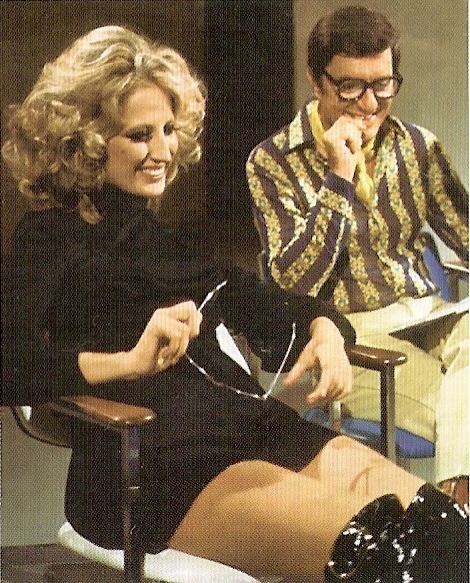
Lelio Luttazzi was a true Renaissance man in the Italian entertainment industry, known for his extraordinary versatility as a musician, composer, conductor, actor, and television presenter. Born on April 27, 1923, in Trieste, Italy, Luttazzi’s career spanned several decades and left an indelible mark on Italian culture. His journey from a young pianist in Trieste to one of the most beloved figures in Italian music and television is a story of talent, resilience, and an unyielding passion for the arts.
Early Life and Introduction to Music
Lelio Luttazzi was born into a modest family in Trieste. His mother, Sidonia Semani, was an elementary school teacher, and his father, Mario Luttazzi, worked in various jobs to support the family. From an early age, Luttazzi showed a keen interest in music, a passion that was nurtured by the local parish priest in the small town of Prosecco, near Trieste. It was through the priest’s guidance that Luttazzi began studying the piano, an instrument that would become his lifelong companion.
Luttazzi’s formal education took place at the Liceo Petrarca in Trieste, where he forged a close friendship with Sergio Fonda Savio, a fellow student and the nephew of the famous Italian writer Italo Svevo. This friendship and the intellectual environment of the Liceo undoubtedly influenced Luttazzi’s artistic development. Despite his growing interest in music, Luttazzi initially pursued a degree in law at the University of Trieste, reflecting the practical expectations of his family.
The Turning Point: From Law to Music
While studying law, Luttazzi continued to hone his musical talents, playing the piano at Radio Trieste and composing his first songs. However, the defining moment in his life came in 1943 when he performed in a musical show at the Teatro Politeama in Trieste. The performance, which was part of a student concert, included an opening act for Ernesto Bonino, a popular singer of the time. Bonino was so impressed with Luttazzi’s talent that he requested a song from him. Luttazzi rose to the challenge, composing “Il giovanotto matto” (The Crazy Young Man), a song that Bonino recorded in 1944, marking Luttazzi’s first major success as a composer.
The success of “Il giovanotto matto” convinced Luttazzi to abandon his legal studies and pursue a full-time career in music. This decision was further reinforced by the financial success that followed; the royalties from the song earned him a substantial amount of money, equivalent to 350,000 lire at the time—a significant sum that allowed him to focus entirely on his music.
Rise to Fame in the Post-War Era
After World War II, Luttazzi moved to Milan, the heart of Italy’s music industry, where he began working as a music director alongside fellow Triestine musician Teddy Reno at the CGD record label. During this period, Luttazzi composed numerous songs, including “Muleta mia” for Reno, and began to establish himself as a prominent figure in the Italian music scene.
In 1950, Luttazzi’s career took another significant leap when he was appointed the conductor of the RAI orchestra in Turin. This position allowed him to showcase his talents not only as a composer and pianist but also as a conductor, further solidifying his reputation as a versatile and talented musician. His work with the RAI orchestra led to numerous opportunities in radio and television, where he became a household name.
Between 1954 and 1956, Luttazzi worked on the popular radio quiz show “Il motivo in maschera,” hosted by the legendary Mike Bongiorno. During this time, he also wrote a series of jazz and swing-inspired songs, including hits like “Senza cerini,” “Legata ad uno scoglio,” “Timido twist,” and “Chiedimi tutto.” Luttazzi’s ability to blend jazz rhythms with Italian lyrical sensibilities made him a unique and innovative figure in the music industry.
Television Stardom and Film Career
Lelio Luttazzi’s talents were not confined to the world of music. In the 1960s, he transitioned into television, where he became one of Italy’s most beloved TV hosts. He presented several popular programs, including “Studio 1” (which he co-hosted with the iconic singer Mina), “Doppia coppia” (with French singer Sylvie Vartan), and “Teatro 10.” These shows were instrumental in bringing jazz and contemporary music to Italian television audiences, and Luttazzi’s charming on-screen presence made him a favorite among viewers.
Luttazzi’s contributions to Italian cinema were equally significant. He appeared as an actor in several films, including Michelangelo Antonioni’s “L’avventura” (1960) and Dino Risi’s “L’ombrellone” (1965). His foray into acting demonstrated his versatility and added another dimension to his already illustrious career. Moreover, Luttazzi composed scores for various films, including the soundtracks for “Totò, Peppino e la malafemmina” (1956) and “Totò lascia o raddoppia?” (1956), both of which became classics in Italian cinema.
One of Luttazzi’s most enduring legacies was his work on the radio program “Hit Parade,” which he hosted from 1966 to 1976. The show, which featured the top-selling records of the week, became a cultural phenomenon and cemented Luttazzi’s status as a key figure in the Italian entertainment industry. His smooth voice and deep knowledge of music made “Hit Parade” a must-listen for music lovers across the country.
A Scandal and Its Aftermath
Despite his professional success, Lelio Luttazzi’s life was not without controversy. In June 1970, at the height of his career, Luttazzi was arrested on charges of drug possession and trafficking. The charges were baseless, and after spending a month in jail, he was completely exonerated. However, the experience deeply affected him, and the intense media scrutiny that followed took a toll on his mental and emotional well-being.
The scandal marked a turning point in Luttazzi’s life. Although he continued to work in radio and television, he became increasingly disillusioned with the entertainment industry and eventually decided to withdraw from public life. The years following the scandal were difficult for Luttazzi, as he grappled with the injustice of the accusations and the impact they had on his reputation.
Return to the Spotlight and Later Life
After spending several years away from the limelight, Lelio Luttazzi made a gradual return to public life in the 2000s. He was featured as a guest on various television and radio programs, where he reminisced about his career and shared his love of music with new generations of fans. In 2009, Luttazzi made a memorable appearance at the Sanremo Music Festival, where he accompanied the singer Arisa during her performance of “Sincerità,” which won the festival’s “Newcomers” category. This performance marked a triumphant return to the stage for Luttazzi and was a poignant moment in his career.
In May 2009, Luttazzi made a significant decision to return to his roots, moving back to Trieste with his wife after spending over 57 years in Milan, Turin, and Rome. His return to Trieste was symbolic, marking a full circle in his life and career. Sadly, Luttazzi’s health began to decline, and he passed away on July 8, 2010, at the age of 87.
Legacy and Influence
Lelio Luttazzi’s legacy is one of immense cultural significance. As a musician, he brought jazz and swing to the forefront of Italian music, blending these genres with Italian lyrical traditions to create a unique sound that resonated with audiences across the country. His work as a television presenter and actor further expanded his influence, making him a beloved figure in Italian popular culture.
Luttazzi’s contributions to the music industry were not just artistic; they were also deeply personal. His songs, often infused with humor and wit, reflected his own experiences and observations, making them relatable to a wide audience. His ability to connect with people through his music and performances made him a cultural icon, and his influence can still be felt in Italian music and television today.
Despite the challenges he faced, including the unjust scandal that briefly derailed his career, Luttazzi remained a resilient and passionate artist. His story is a testament to the power of music and the arts to overcome adversity and to the enduring impact of creativity on society.
Conclusion
Lelio Luttazzi was a multifaceted talent whose contributions to Italian music, television, and cinema have left an indelible mark on the country’s cultural landscape. From his early days as a pianist in Trieste to his rise as a television star and his later years as a revered elder statesman of Italian music, Luttazzi’s life was a journey of artistic exploration and personal resilience.
As we remember Lelio Luttazzi, we celebrate not only his achievements but also the spirit of creativity and innovation that he embodied. His music, his television shows, and his performances continue to inspire and entertain, ensuring that his legacy will live on for generations to come.


