
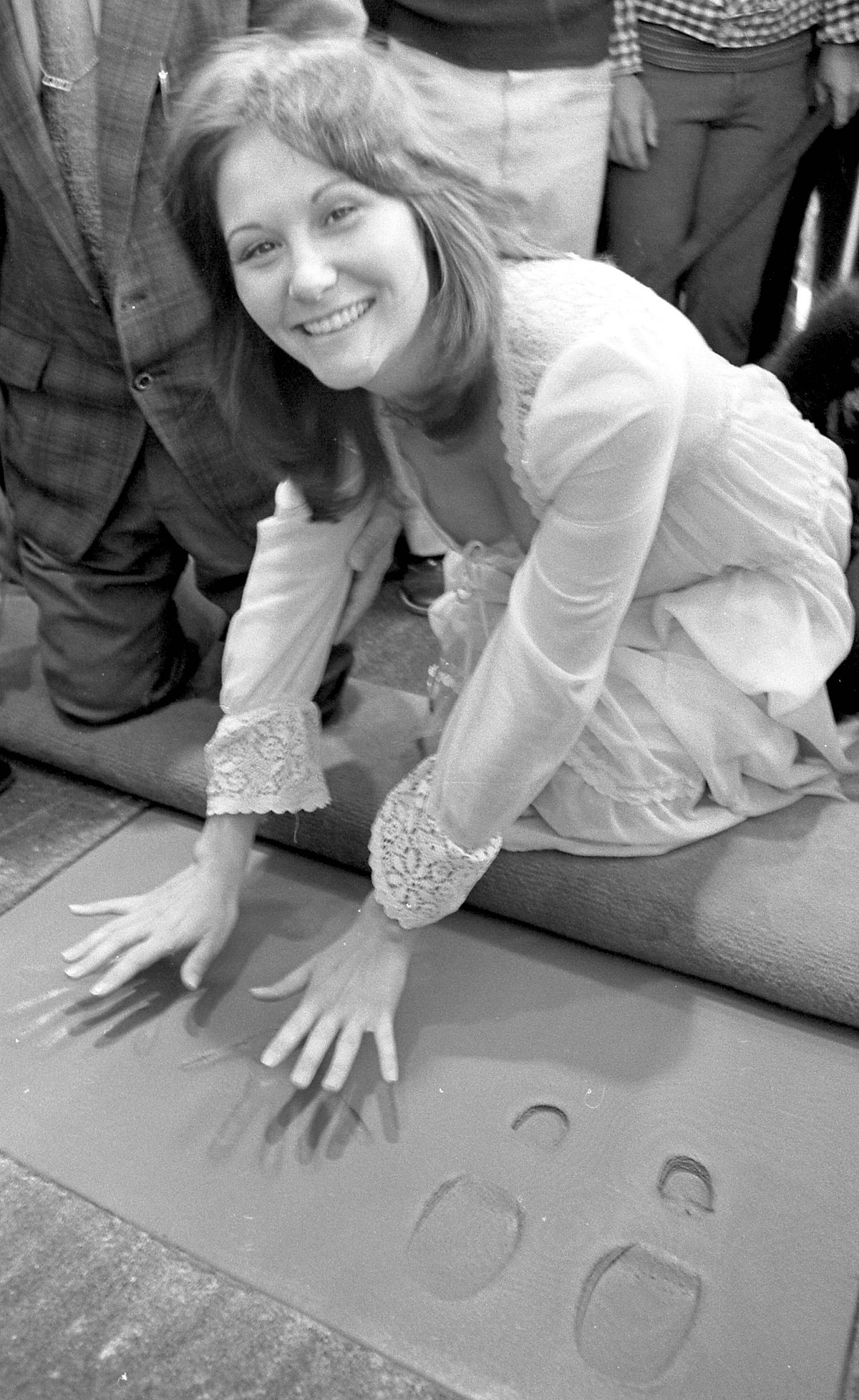
Linda Lovelace, born Linda Susan Boreman on January 10, 1949, in New York City, became a symbol of both the glamour and the dark underbelly of the adult film industry. Her story, marked by fame, tragedy, and later, activism, offers a complex portrait of a woman who was both a victim and an icon in a controversial world. This article explores the life, career, and significant milestones of Linda Lovelace, delving into the nuances of her journey and the broader implications of her experiences on society and the adult entertainment industry.
Early Life and Background
Linda Susan Boreman was born into a modest Catholic family in the Bronx, New York. Her early years were shaped by the conservative values of her parents, who enrolled her in private Catholic schools such as St. John School in Yonkers and a high school in Hartsdale. Linda’s upbringing was typical of the time, with a strong emphasis on morality and modesty, traits that starkly contrasted with the life she would later lead.
At the age of 16, in 1965, Linda’s family moved to Florida, where her life took a drastic turn. The young Linda, who was nicknamed “Miss Santa” during her high school years due to her wholesome image, faced an unexpected and life-altering event—a pregnancy. In 1969, she gave birth to her first child, a moment that would have profound and lasting effects on her life. Under pressure from her strict Catholic family, Linda was coerced into giving up her child for adoption, a decision that haunted her for the rest of her life.
The Descent into the Adult Film Industry
The late 1960s and early 1970s were a turbulent time for Linda Boreman. In 1970, after a devastating car accident that left her with severe injuries, including the need for blood transfusions, Linda returned to New York. It was during this vulnerable period that she met Chuck Traynor, a man who would become both her husband and her exploiter.
Chuck Traynor was deeply involved in the adult entertainment industry, running a strip club and allegedly managing a prostitution ring. Traynor saw potential in Linda and quickly married her. Under Traynor’s influence and, as she later claimed, coercion, Linda was introduced to the world of adult films. Traynor’s control over Linda was absolute; she would later testify that he forced her into performing in pornographic films by threatening her with violence, including holding a gun to her head.
The Making of a Porn Star: “Deep Throat”
In 1972, Linda Boreman was transformed into Linda Lovelace, the star of the groundbreaking and infamous pornographic film “Deep Throat.” Directed by Gerard Damiano, “Deep Throat” was a satirical adult film that became a cultural phenomenon. The film’s title refers to a specific sexual act that Lovelace’s character is known for performing, a novelty at the time that contributed to the film’s notoriety.
“Deep Throat” was not just another adult film; it was a massive success that reached mainstream audiences and generated discussions about sexuality and censorship in America. The film’s success was unprecedented, with even major publications like The New York Times covering it. However, behind the scenes, Linda Lovelace’s experience was far from glamorous. She later revealed that she was forced into participating in the film against her will, enduring physical and emotional abuse from Traynor throughout the production.
The success of “Deep Throat” catapulted Linda Lovelace to fame, but it was a fame built on exploitation and coercion. Despite the film’s commercial success and the subsequent sequels, such as “Deep Throat II” in 1974, Linda’s involvement in the adult film industry was brief. She appeared in only a few other films, most of which were significantly softer in content compared to “Deep Throat.”
Transition from Pornography to Activism
After her brief stint in the adult film industry, Linda Lovelace sought to distance herself from her past. In 1974, she divorced Chuck Traynor and began a new chapter in her life. That same year, she met David Winters, a producer who convinced her to leave the porn industry for good. This decision marked the beginning of Linda’s transformation from a porn star to an anti-pornography activist.
In 1974, Linda remarried, this time to Larry Marchiano, with whom she had two children, Dominic, born in 1977, and Lindsay, born in 1980. Her life took on a more conventional turn as she focused on raising her children and living a more private life. However, the scars of her past experiences remained, and in 1980, Linda publicly denounced the pornography industry.
The Activist: Speaking Out Against Pornography
Linda Lovelace’s shift from porn star to activist was not just a personal transformation but also a public one. In 1980, she published her autobiography, “Ordeal,” in which she detailed the abuse she suffered at the hands of Chuck Traynor and the coercion she experienced during her time in the adult film industry. The book was a shocking revelation, shedding light on the dark side of pornography and the exploitation of women within the industry.
“Ordeal” was more than just a memoir; it was a call to action against the exploitation of women in pornography. Linda became a vocal advocate for feminist causes, aligning herself with anti-pornography movements and participating in public demonstrations. Her testimony provided a powerful insider perspective on the realities of the adult film industry, challenging the glamorized image that “Deep Throat” and similar films had created.
Linda’s activism made her a controversial figure. While some praised her for speaking out, others accused her of hypocrisy, pointing to her previous involvement in the industry. Despite the criticism, Linda remained steadfast in her mission to expose the abuses she had endured and to fight against the exploitation of women in pornography.
Later Life and Legacy
The later years of Linda Lovelace’s life were marked by both personal struggles and continued advocacy. In 1986, she underwent a liver transplant, a procedure necessitated by hepatitis she had contracted from a blood transfusion following her 1970 car accident. This health crisis further limited her public appearances, and she increasingly withdrew from the spotlight to focus on her family.
Linda’s second marriage to Larry Marchiano was also fraught with difficulties. In her 2003 book, “The Other Hollywood,” she alleged that Marchiano, like Traynor, had been abusive, particularly under the influence of alcohol. These allegations painted a picture of a woman who had endured a lifetime of abuse, both in her personal life and in her career. In 1996, Linda and Marchiano divorced, leaving Linda to navigate her remaining years as a single mother.
Despite her tragic life, Linda Lovelace’s story has continued to resonate with audiences, particularly in discussions about the ethics of the adult film industry and the exploitation of women. Her life has been the subject of multiple biographies, documentaries, and films, including the 2013 biographical film “Lovelace,” in which Amanda Seyfried portrayed Linda. These works have helped to keep her legacy alive, serving as a reminder of the complex interplay between fame, exploitation, and the struggle for personal autonomy.
Death and Posthumous Recognition
Linda Lovelace’s life came to a tragic end on April 22, 2002, when she died from injuries sustained in a car accident. She was just 53 years old. Her death marked the end of a life that had been filled with both public adulation and private suffering. In the years since her passing, Linda has been recognized not only as a figure in the history of pornography but also as a symbol of the broader struggles faced by women in industries that profit from their exploitation.
Linda’s story is a poignant reminder of the human cost behind the adult entertainment industry’s façade. Her transformation from a porn star into a staunch critic of the industry that made her famous highlights the complexities of her life and the ways in which she sought to reclaim her narrative. Linda Lovelace remains an enduring figure in the discourse on sexual exploitation, feminism, and the quest for personal redemption.
Conclusion
Linda Lovelace’s life was one of contradictions—she was both a star and a victim, celebrated and exploited. Her journey from a troubled young woman in New York to the most famous porn star of her time, and finally to an advocate against the very industry that brought her fame, reflects the complexities of her character and the challenges she faced. Linda’s legacy is a powerful testament to the resilience of the human spirit and the ongoing fight against the exploitation of women. Her story continues to inspire discussions about ethics, agency, and the true cost of fame in the modern world.


