
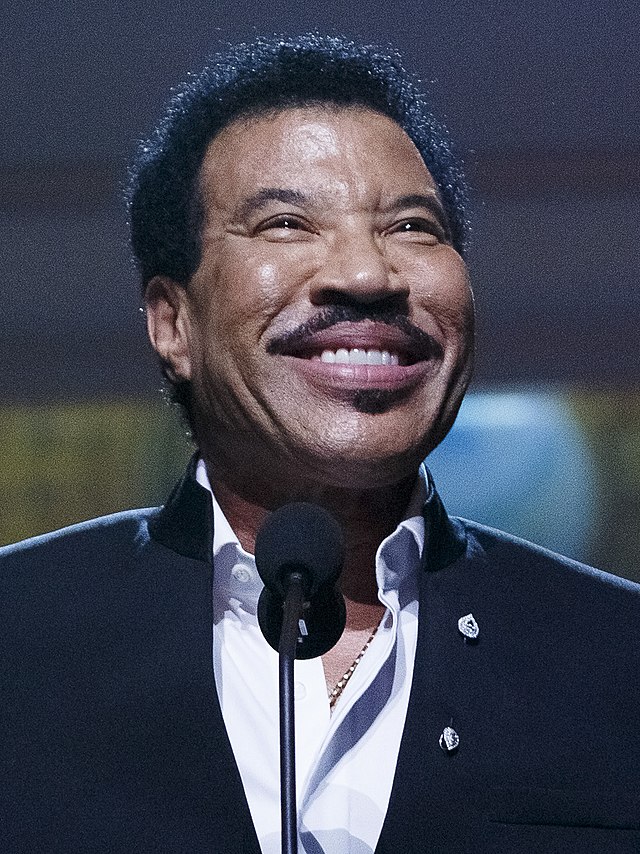
Lionel Richie is a name that resonates across generations, from the soulful ballads of the 1980s to his presence in the music industry today. His journey from a small town in Alabama to becoming a global music icon is a tale of talent, perseverance, and timeless music. This article delves deep into Lionel Richie’s age, his rise to fame, and the key highlights of his illustrious life and career.
Early Life and Beginnings
Born on June 20, 1949, in Tuskegee, Alabama, Lionel Brockman Richie Jr. grew up in a town rich in cultural history, deeply rooted in the African American experience. Tuskegee, known for its significant contributions to African American education and empowerment, likely played a role in shaping Richie’s perspectives and ambitions.
Richie’s early life was marked by a strong influence from music, particularly from his grandmother, who was a classical pianist. This early exposure to music led him to join a succession of musical groups during his school years. It wasn’t long before he joined the Commodores, a band that would become his springboard to stardom.
The Commodores: A Launchpad to Stardom
In 1971, Lionel Richie and the Commodores signed with the legendary Motown Records. The label was known for its ability to create stars, and the Commodores were no exception. The band quickly rose to fame in the 1970s with hits like “Machine Gun,” “Easy,” “Three Times a Lady,” “Brick House,” and “Sail On.” These tracks were not just popular; they became anthems of the era, solidifying the Commodores’ place in music history.
Richie’s role as the lead singer and saxophonist for the Commodores showcased his versatility and helped him stand out in the crowded music scene of the time. However, his ambitions soon led him to explore a solo career, a decision that would prove to be monumental.
Going Solo: The Birth of a Superstar
In 1981, Lionel Richie made the bold decision to leave the Commodores and embark on a solo career. His first solo single, “Endless Love,” was a duet with Diana Ross and became a massive hit. The song not only topped the charts but also laid the foundation for Richie’s solo career. It was clear from the success of “Endless Love” that Richie had the potential to become a superstar in his own right.
Richie’s debut solo album, “Lionel Richie,” was released in 1982 and was an immediate success, earning four platinum certifications. The album featured hits like “Truly,” which won him a Grammy Award for Best Male Pop Vocal Performance. This was just the beginning of a remarkable solo career that would see Richie become one of the most successful artists of the 1980s.
The 1980s: A Decade of Dominance
The 1980s were arguably Lionel Richie’s most successful decade. His second solo album, “Can’t Slow Down” (1983), was a juggernaut, selling over 20 million copies worldwide. The album featured chart-topping hits like “All Night Long (All Night),” “Hello,” and “Stuck on You.” Richie’s ability to craft songs that resonated with a wide audience, combined with his smooth voice and charismatic stage presence, made him a household name.
Richie’s third album, “Dancing on the Ceiling” (1985), continued his streak of success. The album’s title track, along with hits like “Say You, Say Me,” kept Richie at the top of the charts. “Say You, Say Me” was particularly notable as it was the theme song for the film “White Nights” and earned Richie an Academy Award for Best Original Song.
One of the defining moments of Richie’s career came in 1985 when he co-wrote the charity single “We Are the World” with Michael Jackson. The song, performed by a supergroup of musicians under the name USA for Africa, was a global phenomenon. It topped charts around the world and raised millions of dollars for famine relief in Africa. “We Are the World” remains one of the best-selling singles of all time and a testament to Richie’s influence and generosity.
The 1990s and Beyond: A Resilient Icon
After the high of the 1980s, Lionel Richie took a step back from the music industry in the early 1990s, taking a much-needed break after years of relentless touring and recording. However, he made a triumphant return in 1992 with the album “Back to Front,” a compilation of his greatest hits, which also included three new songs.
Richie’s next studio albums, “Louder Than Words” (1996) and “Time” (1998), saw him experimenting with new sounds while staying true to his signature style. Although these albums did not achieve the same level of commercial success as his earlier works, they demonstrated Richie’s continued relevance in the ever-evolving music industry.
In 2002, Richie released “Encore,” a live album featuring his most beloved hits alongside two new tracks, “Goodbye” and “To Love a Woman,” the latter a duet with Enrique Iglesias. The same year, Richie was honored with a star on the Hollywood Walk of Fame, a recognition of his enduring impact on the music industry.
Lionel Richie in the 21st Century: Reinvention and Legacy
As the music industry entered the 21st century, Lionel Richie continued to adapt and thrive. His 2004 album “Just for You” marked a return to form, with the title track being used in a European mobile phone advertisement, introducing Richie to a new generation of fans. The album also featured collaborations with artists like Lenny Kravitz, showcasing Richie’s ability to stay relevant in a changing musical landscape.
Richie’s later albums, including “Coming Home” (2006) and “Tuskegee” (2012), saw him revisiting his roots and experimenting with different genres, including country music. “Tuskegee,” in particular, was a commercial success, featuring country versions of his classic hits performed with country music stars like Shania Twain, Kenny Chesney, and Blake Shelton. The album debuted at number one on the Billboard 200 chart, proving that Richie could still command a global audience.
In recent years, Lionel Richie has continued to tour and perform, delighting fans with his timeless hits. He has also served as a judge on the popular television show “American Idol,” where his warmth and wisdom have endeared him to a new generation of aspiring musicians.
Personal Life and Philanthropy
Beyond his music, Lionel Richie has also made headlines for his personal life. He has been married twice and has three children, including Nicole Richie, who became a reality TV star and fashion icon. Richie has always been a devoted father, often speaking about the importance of family in his life.
Richie is also known for his philanthropic efforts. In addition to his work with USA for Africa, he has supported numerous charities and causes over the years. His commitment to giving back has been a consistent theme throughout his career, further cementing his legacy as not just a musical icon, but a humanitarian as well.
Legacy and Influence
Lionel Richie’s influence on music and pop culture is undeniable. His smooth vocals, catchy melodies, and heartfelt lyrics have made him one of the most beloved artists of all time. His ability to cross genres, from R&B to pop to country, has allowed him to connect with a wide range of audiences.
Richie’s contributions to the music industry have been recognized with numerous awards and honors, including multiple Grammy Awards, an Academy Award, and a Golden Globe. He has also been inducted into the Songwriters Hall of Fame and the Black Music & Entertainment Walk of Fame.
As Lionel Richie continues to perform and create music, his legacy as a true music legend is secure. His songs have become timeless classics, and his impact on the industry will be felt for generations to come.
Conclusion
Lionel Richie is more than just a singer and songwriter; he is a cultural icon whose music has touched millions of lives around the world. From his early days with the Commodores to his solo success and philanthropic efforts, Richie’s career is a testament to his talent, hard work, and dedication to his craft. As he continues to evolve and inspire, Lionel Richie remains a shining example of what it means to be a true artist.


