
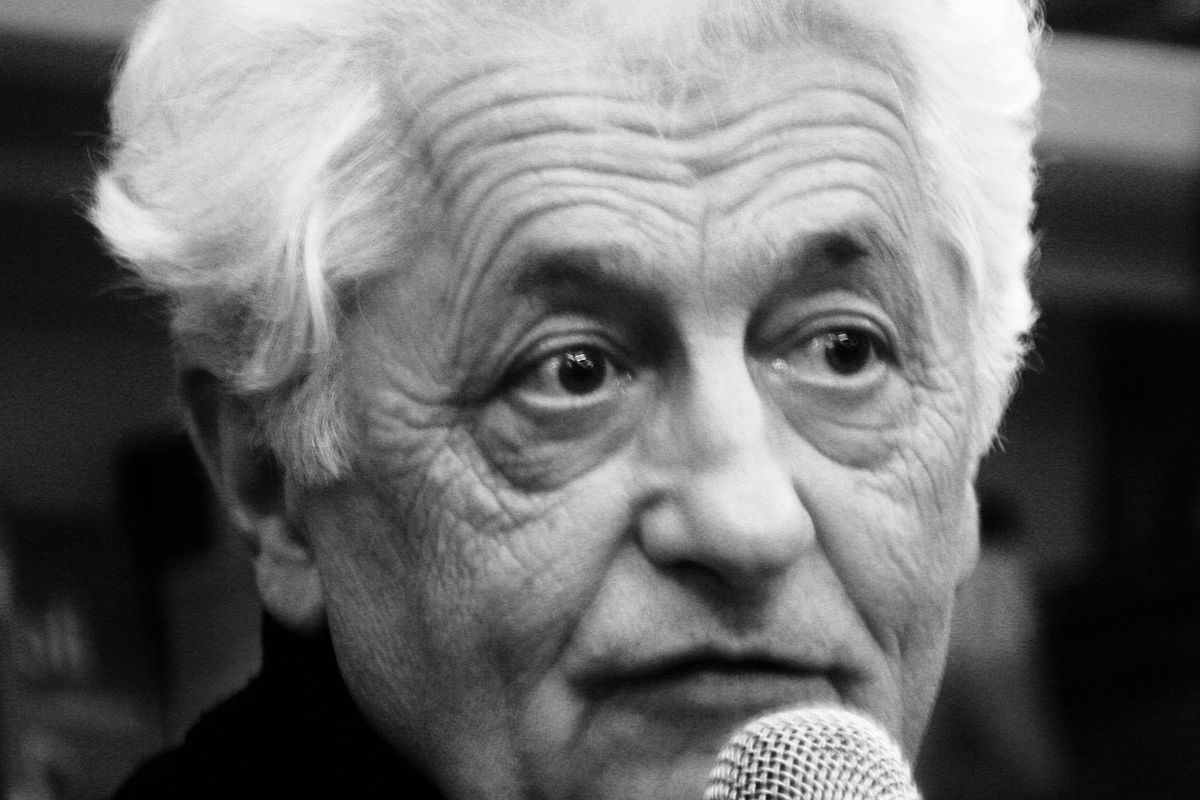
Loriano Macchiavelli, born on March 12, 1934, in Vergato, Bologna, Italy, is a distinguished Italian author renowned for his contributions to the genre of crime fiction, particularly the giallo genre. His multifaceted career as a playwright, novelist, and cultural commentator reflects a profound impact on Italian literature and media. Macchiavelli’s works, which often blend intricate plots with social commentary, have earned him a lasting place in Italian cultural history.
Early Life and Career Beginnings
Macchiavelli’s passion for the arts began in his hometown, where he first engaged with theater as an organizer, actor, and playwright. His early work in theater laid a solid foundation for his later achievements in writing. By the late 1960s, Macchiavelli had established himself as a significant theatrical figure with notable plays such as “In caso di calamità, viva la Patria” (1969/70) and “Una storia teatrale con prologo tragico e finale comico” (1969/70). His plays were performed by various companies, showcasing his versatile talents.
Transition to Crime Fiction
The 1970s marked a pivotal shift in Macchiavelli’s career when he began focusing on crime fiction. His debut in this genre came with the novel “Fiori alla memoria” (1974), which won the prestigious Gran Giallo Città di Cattolica award. This success established him as a prominent figure in Italian crime literature. Macchiavelli’s creation of the character Brigadiere Antonio Sarti became a cornerstone of his literary career. Sarti, a witty and intelligent police officer, became central to a series of novels that captivated readers with their engaging plots and sharp social observations.
The Rise of Sarti Antonio
Brigadiere Antonio Sarti, along with his insightful sidekick Rosas, became a beloved figure in Italian literature. The character’s popularity extended beyond the written word into television adaptations, which began with “Sarti Antonio brigadiere” in 1978. This series, directed by Pino Passalacqua, was well-received and laid the groundwork for further adaptations. By 1988, a new series titled “L’ispettore Sarti, un poliziotto, una città” aired, featuring thirteen episodes directed by Maurizio Rotundi. The series’ success continued into the early 1990s, with six additional films produced.
Macchiavelli’s success with Sarti Antonio was not confined to television. The character also appeared in the comic series “Oriente express,” illustrated by Gianni Materazzo. Despite a bold attempt in 1987 to “kill off” Sarti in the novel “Stop per Sarti Antonio,” the character returned in subsequent works, proving the enduring appeal of Macchiavelli’s creation.
Contributions to Italian Crime Fiction
Loriano Macchiavelli’s influence on Italian crime fiction is significant. He was instrumental in advocating for the recognition of Italian crime novels, often defending the genre against critics and skeptics. In collaboration with Marcello Fois and Carlo Lucarelli, Macchiavelli co-founded the “Gruppo 13,” a collective aimed at promoting Italian crime literature. Additionally, he launched and edited “Delitti di carta,” a magazine dedicated exclusively to Italian crime fiction.
Macchiavelli’s commitment to the genre was further demonstrated through his pseudonymous work. In 1989, he published “Un funerale dopo Ustica” under the name Jules Quicher. The novel, a fictional exploration of the Ustica massacre, became a bestseller and showcased his ability to tackle complex, real-world issues through crime fiction.
Notable Works and Achievements
Macchiavelli’s literary career includes a wide array of successful novels. His collaborations with Francesco Guccini yielded highly acclaimed works such as “Maccaronì” (1997), which won several awards, including the Premio Alassio and Premio Ennio Flaiano. The partnership continued with “Tango e gli altri, romanzo di una raffica, anzi tre” (2007), which won the Premio Giorgio Scerbanenco.
Despite legal controversies surrounding “Strage” (1990), a novel about the Bologna massacre, Macchiavelli’s dedication to his craft remained steadfast. The book’s initial withdrawal from shelves followed by its return and his acquittal underscored his commitment to addressing pressing social issues through literature.
Television and Cultural Impact
Macchiavelli’s impact extends beyond literature into television, where his works have been adapted into popular series. “Bologna in giallo, rapsodia noir” (2001) featured Macchiavelli alongside Carlo Lucarelli, and the success of this series led to further collaborations in “Corpi di reato. L’arma contro il crimine” (2002). These projects reinforced Macchiavelli’s reputation as a significant figure in Italian media.
Recent Works and Legacy
In his later years, Macchiavelli continued to collaborate with Francesco Guccini, producing the novel “Malastagione” (2011). This final work further exemplifies Macchiavelli’s enduring influence and his ability to remain relevant in the evolving landscape of Italian literature.
Loriano Macchiavelli’s legacy is marked by his substantial contributions to crime fiction, his role in advancing the genre within Italy, and his ability to adapt his storytelling to various media. His works continue to resonate with readers and audiences, reflecting his mastery of narrative and his commitment to exploring the complexities of human nature and society.


