
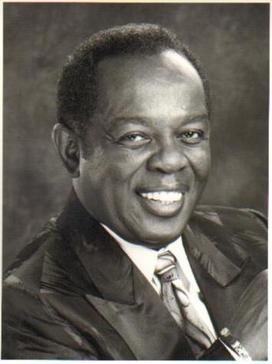
Lou Rawls, an iconic figure in the world of music, left an indelible mark on various genres, including Soul, R&B, Blues, and Jazz. With a career spanning over four decades, Rawls was not only a talented singer and actor but also a dedicated philanthropist. His deep, smooth voice, often described as one of the most versatile in the industry, captivated audiences worldwide. This article delves into the life, achievements, and lasting legacy of Lou Rawls, exploring his rise to fame, his musical contributions, and the impact he made on the entertainment industry and beyond.
Early Life and Musical Beginnings
Louis Allen Rawls was born on December 1, 1933, in Chicago, Illinois. Raised in the South Side of Chicago by his paternal grandmother, Rawls was introduced to music at an early age. He began singing gospel in the choir of his local church at the age of seven, laying the foundation for his future career in music. The vibrant Chicago music scene in the 1940s and 1950s provided a rich environment for Rawls to develop his talents.
In his teenage years, Rawls performed with local gospel groups, where he crossed paths with future stars like Sam Cooke and Curtis Mayfield. These early experiences with gospel music not only honed his vocal skills but also introduced him to the power of music to inspire and uplift.
Military Service and Early Career
In 1955, Rawls put his music career on hold to serve in the U.S. Army as a paratrooper. After three years of service, he returned to his musical roots, rejoining the gospel group the Pilgrim Travelers, which included his friend Sam Cooke. It was during this time that Rawls experienced a life-altering event: a near-fatal car accident while touring with the group. The accident left him in a coma for several days and required months of recovery. This brush with death had a profound impact on Rawls, leading him to reflect on his life and career.
Upon his recovery, Rawls decided to pursue a solo career, performing in various clubs around Los Angeles. His rich baritone voice caught the attention of a record producer, leading to his first contract with Capitol Records in 1962. Rawls’ debut album, initially titled I’d Rather Drink Muddy Water and later released as Stormy Monday, marked the beginning of his journey as a solo artist.
Rise to Fame: The 1960s and 1970s
Lou Rawls’ career took off in the mid-1960s with the release of his hit single “Love Is A Hurtin’ Thing” from the album Soulin’. The song topped the charts and established Rawls as a major force in the music industry. His ability to blend blues, jazz, and R&B resonated with a wide audience, earning him critical acclaim and commercial success.
Rawls’ unique style involved speaking intros to his songs, a technique that many consider a precursor to modern rap. His conversational approach to music made his performances stand out, and his deep, velvety voice became his signature. In 1966, Rawls released Lou Rawls Live, a live album that showcased his dynamic stage presence and vocal prowess. The album was a commercial success, further solidifying his reputation as a top-tier performer.
Throughout the late 1960s and early 1970s, Rawls continued to release hit after hit, earning multiple Grammy Awards. In 1967, he won his first Grammy for “Dead End Street,” a song that combined his soulful voice with socially conscious lyrics. His performances at major events, such as the Monterey Pop Festival, where he shared the stage with legends like Otis Redding, Jimi Hendrix, and Marvin Gaye, cemented his status as one of the leading voices of his generation.
The Transition to a New Sound
In the 1970s, Rawls continued to evolve as an artist. He switched record labels from Capitol Records to MGM and later to Philadelphia International, where he collaborated with producers Kenny Gamble and Leon Huff. This partnership resulted in one of Rawls’ most significant hits, “You’ll Never Find Another Love Like Mine,” released in 1976. The song, with its smooth blend of R&B and pre-disco sounds, became a massive hit, selling over a million copies and earning Rawls a platinum record. The success of this single marked a high point in Rawls’ career and showcased his ability to adapt to changing musical trends.
Rawls’ success in the 1970s wasn’t limited to just one hit. He continued to release albums that resonated with audiences, including Unmistakably Lou in 1977, which won him his third Grammy Award. His ability to maintain relevance in an industry that was rapidly evolving was a testament to his talent and versatility.
Acting Career and Philanthropy
Lou Rawls was not just a musician; he was also a successful actor and philanthropist. His deep, commanding voice made him a sought-after character actor in both television and film. In the 1980s, Rawls appeared in popular TV series such as The Fall Guy, Fantasy Island, and Baywatch Nights. He also made cameo appearances in films like Leaving Las Vegas and Blues Brothers 2000. These roles allowed Rawls to showcase his acting abilities and broaden his appeal beyond the music industry.
One of Rawls’ most significant contributions outside of music was his philanthropic work. He was a dedicated advocate for the United Negro College Fund (UNCF), an organization that provides scholarships for African American students. In 1979, Rawls launched the “Lou Rawls Parade of Stars Telethon,” an annual event that raised millions of dollars for the UNCF. Over the years, the telethon became a major fundraising event, helping to support historically Black colleges and universities across the United States. Rawls’ commitment to education and his efforts to give back to the community earned him widespread respect and admiration.
Later Years and Legacy
In the 1980s and 1990s, Rawls continued to record music, releasing several R&B albums that, while not as commercially successful as his earlier work, still demonstrated his vocal talent and passion for music. Albums like Close Company and Learn to Love Again reflected his growth as an artist and his willingness to experiment with new sounds.
In 2003, Rawls released his final album, Rawls Sings Sinatra, a tribute to one of his musical influences, Frank Sinatra. The album was well-received, showcasing Rawls’ ability to interpret and personalize classic songs from another genre. This final project was a fitting end to a career that had spanned more than four decades and had touched countless lives.
Lou Rawls passed away on January 6, 2006, at the age of 72, after a battle with cancer. His death marked the end of an era, but his music and legacy continue to live on. Over the course of his career, Rawls sold more than 40 million records, won three Grammy Awards, and earned 13 Grammy nominations. His voice, often described as one of the most distinctive in the history of popular music, remains a benchmark for excellence in the industry.
Historical Context and Influence
Lou Rawls’ career must be understood within the broader context of the 20th-century music industry. He emerged at a time when African American musicians were breaking new ground in popular music, shaping the sounds that would dominate the charts for decades. Rawls was part of a generation of artists who brought the sounds of gospel, blues, and jazz into the mainstream, helping to pave the way for future genres like soul, R&B, and hip-hop.
Rawls’ influence extended beyond his music. His philanthropic work, particularly with the United Negro College Fund, demonstrated the potential for celebrities to use their platform for social good. He was one of the first artists to recognize the power of fame in effecting positive change, setting a precedent for future generations of entertainers.
In addition to his contributions to music and philanthropy, Rawls’ acting career helped to break down barriers for African American performers in Hollywood. His success in both music and acting highlighted the versatility and talent of Black artists, challenging stereotypes and opening doors for future generations.
Conclusion
Lou Rawls was a multi-talented artist whose contributions to music, acting, and philanthropy have left an enduring legacy. His smooth, soulful voice, combined with his ability to connect with audiences through his music and performances, made him a beloved figure in the entertainment industry. Rawls’ life and career offer valuable lessons about resilience, adaptability, and the power of music to bring people together.
As we reflect on the life of Lou Rawls, it is clear that his influence extends far beyond the world of music. He was a trailblazer who used his talents to inspire others and make a positive impact on the world. His legacy continues to resonate with new generations of artists and fans, ensuring that the memory of Lou Rawls will live on for years to come.


